
Overview
Treatment or the cancer itself may cause a physical change to how you can have sex, the sensations you feel, or whether you still feel like having sex (libido). These issues may be temporary or ongoing.
This section explains common physical changes and emotional concerns, as well as tips for adapting to these changes.
What’s on this page

Some concerns below may affect anyone, while others only happen with some types of cancer. These issues may be temporary or ongoing. If you need more information, talk to a health professional or call Cancer Connect on 13 11 20.
Loss of desire
While loss of desire may not happen to some people, changes in sex drive or interest (low libido) are common during cancer treatment.
There are many reasons why your libido may change, including:
- treatment side effects, such as feeling tired and sick
- pain from cancer or when recovering from surgery
- being too worried or stressed about your health to think about sex
- fear of pain during penetrative sex
- changes in your hormone levels
- feeling less confident or having lower self-esteem if treatment has changed the way you look.
For most people, their libido returns after active treatment ends. But keep in mind that hormone levels also change naturally with age, and this can lower your sex drive as you get older.
Adjusting to changes in sex drive can be emotionally and physically challenging for people with cancer. Discuss things with your partner, so they understand what’s going on and don’t feel hurt or rejected.
If you feel you need more support or ideas on how to help your relationship during this stressful time, talk to a counsellor, sexual health physician or sex therapist. Speak to your doctor for contacts in your local area or call Cancer Connect on 13 11 20.
Sex was the last thing on my mind when I found out I had cancer. I couldn’t imagine ever having desire again. But after the treatment was over, it came back.
Tips for when your libido is low
- Make time to be with your partner. Plan a “date” or a fun activity to do.
- Enjoy physical contact without sexual penetration. Try skin-to-skin touch, such as massaging each other, or having a bath together.
- Keep an open mind. You could read or watch something erotic, or try toys like vibrators or personal lubricants. These may help spark your interest in sex, or your partner can masturbate, either alone or with you present.
- Touching yourself and gently masturbating can help you learn what feels good. This can also help you explain to or show your partner how you would like to be touched.
- Change the setting. If your home reminds you of treatment, book a night away or use a different room in the house that is not associated with cancer. You could even consider going away for the weekend.
- Rearrange your bedroom or redecorate it once your treatment is over.
- If your usual positions for sex are no longer comfortable, try different ones to find something that feels better.
- Use cushions or pillows to support your body.
- Ask your doctor to check your hormone levels. This may explain some changes in your libido.
- Try different ways of getting in the mood for intimacy – whatever makes you feel sexy, relaxed and good about each other.
- You could wear clothes that make you feel sensual.
- Create an intimate atmosphere by turning off phones and minimising distractions. Or try lighting candles and playing soothing music.
- You could share an erotic fantasy.
Changes to the vagina
Cancer treatments may cause temporary or permanent changes to the vagina. Some treatments can make the vagina tighter, or cause pain or discomfort during sex. Others may cause dryness, thrush or a loss of sensation.
Radiation therapy, especially to the pelvic area, can cause pain, inflammation and scarring in the vagina, vulva, urethra, bowel and bladder. If the ovaries are affected, it may cause early menopause. Other treatments, including surgery, hormone treatment and chemotherapy, can also cause a range of vaginal problems.
Tight vaginal muscles
Tight vaginal muscles
After cancer treatment, some people experience tight vaginal muscles (vaginismus) or pain in the vulva or vagina (vulvodynia). If this happens, a qualified pelvic physiotherapist who specialises in rehabilitation after cancer can help you learn how to relax the pelvic muscles during penetration. Ask your doctor for a referral.
Fear of painful penetration can make tightness or pain worse. You should never try to push though the pain, as this can also make the tightness worse and increase discomfort.
Vaginal dryness
Vaginal dryness
After some cancer treatments, you may need vaginal moisturisers and lubricants to avoid discomfort during sex. Taking more time to become aroused before and during penetration can also help the vagina relax and lubricate.
Hormonal creams
A lack of oestrogen may cause vaginal dryness after some cancer treatments. Talk to your doctor about whether oestrogen creams or pessaries (tablets put into the vagina) are an option for you. These may not be suitable if you are having hormone therapy for cancer. Vaginal oestrogen creams may help relieve dryness, a lack of elasticity and bladder symptoms. They are applied in the vagina or on the vulva.
Moisturisers
Non-hormonal vaginal moisturisers (e.g. hyaluronic gels) help restore moisture and lubrication. You can buy them without a prescription. They are usually applied 2–3 times a week at night.
Personal lubricants
These liquids or gels are used during sex. You can put them on the clitoris, labia and vaginal entrance – as well as your partner’s penis or a sex toy. Try applying lubricant during foreplay. Lubricants can be water-based or silicone-based. Those with a silicone base may last longer. Do not use oil or petroleum-based products (e.g. baby oil or Vaseline), as they can cause vaginal infection and damage latex condoms.
Thrush
Thrush
Dryness may cause too much growth of a yeast-like fungus found in the vagina. This is called thrush. It can cause itching, burning, an unpleasant discharge, and pain during intercourse. Some cancer treatments that lower your immunity may also cause thrush.
Talk to your doctor to make sure the symptoms are not caused by other types of vaginal infections. Your doctor may suggest a prescription or over-the-counter cream or medicine. Use a condom during sex to avoid spreading thrush to your partner. Also avoid soap, bubble bath, scented creams and lubricants with added sugar, as these can irritate your genitals and make thrush worse.
Loss of sensation
Loss of sensation
After some treatments, including radiation therapy, sex may not feel the same. Some people lose some feeling in the vagina or labia, which may be temporary or permanent. It can make sex uncomfortable or less enjoyable, or may make you feel less interested in sex. If your doctor has checked it is not an infection or thrush, these tips may help.
- Focus on other parts of the body or genitals that feel good to touch.
- Try regular sexual activity of some kind to keep some interest in sex.
- Use different sexual positions to find what improves sensation.
- Try a vibrator to increase sensation.
- A sex therapist can show you strategies to help reconnect to your body through sensation and pleasure.
Short or narrow vagina
Short or narrow vagina
Surgery may shorten the vagina and pelvic radiation therapy may narrow the vagina (vaginal stenosis). Scar tissue from treatments may also cause the vagina to become shorter and narrower. This can make sexual penetration difficult and painful.
These changes to the vagina can also cause thinning of the walls and dryness. Using water-based lubricants or vaginal moisturisers can help. In some cases, your doctor may recommend using an oestrogen-based cream.
A vaginal dilator may help after treatment. It may help to widen your vagina or to keep it supple after you’ve finished radiation therapy. This can make sex more comfortable, and may also make cervical screening easier.
Ask your doctor for a referral to a qualified pelvic health physiotherapist for advice before trying to use a vaginal dilator.
Other tips that may help with changes to the vagina’s size include:
- trying different positions to find what feels most comfortable
- using lubricant to make penetration comfortable
- applying a non-hormonal vaginal moisturiser
- trying a vibrator or having regular, gentle sexual intercourse
- placing a foam ring around the base of your partner’s penis to reduce pin or discomfort during intercourse.
Using a vaginal dilator
Using a vaginal dilator
A vaginal dilator is a tube-shaped device made from plastic or silicone. It can help keep your vagina open after treatment.
The dilator is inserted into the vagina for short periods of time to gradually widen the entrance and prevent the walls from sticking together. You may feel some discomfort from the stretching of the vaginal wall, but it shouldn’t be painful.
Ask your doctor for a referral to see a qualified pelvic health physiotherapist. They can make sure it’s safe for you to use dilators and help you get the most from them.
Dilators come in different sizes. You usually start with a smaller, thinner one and slowly move up to a longer, wider one over time.
You need to use dilators regularly. They can be uncomfortable and take time to make improvements.
Not everyone needs or wants to use a vaginal dilator (e.g. if you don’t have penetrative sex or no longer need vaginal examinations). Talk to your doctor about the possible benefits – for some people, using a dilator is helpful, while for others, it may not be.
Changes in ejaculation
After some cancer treatments, you may still be able to orgasm, but how you ejaculate may change.
Retrograde ejaculation
Retrograde ejaculation
After transurethral resection of the prostate (TURP) surgery, semen may go backwards into the bladder, rather than forwards out of the penis. This is called retrograde ejaculation. It is not harmful, but it does mean that you will be infertile and unable to get someone pregnant naturally.
Dry orgasm
Dry orgasm
Some surgery, including prostate removal surgery, stops the body from making semen. This means that when you orgasm, nothing comes out (called anejaculation). This may feel quite different. Some people say this type of orgasm doesn’t feel as strong or last as long as an orgasm with semen, while others say it’s more intense.
Leaking urine
Leaking urine
After some types of cancer treatment, including for testicular or prostate cancer, you may leak a small amount of urine (pee) during ejaculation. This is not harmful.
Premature ejaculation
Premature ejaculation
Some people with cancer may experience early ejaculation, before or just after penetration.
Ejaculation changes after radiation therapy
Ejaculation changes after radiation therapy
After some cancer treatments, including radiation therapy to the pelvic area, you may ejaculate less semen, and the semen may look slightly discoloured. If the urethra is inflamed, ejaculation may be painful for some weeks. Radiation may also reduce sperm production, which may be temporary or permanent. If you might want to have a child in the future, talk to your doctor or nurse about saving sperm or other fertility options.
For more information, see Radiation therapy.
Tips for adapting to ejaculation changes
- Talk to your partner about the changes. Let them know that it doesn’t affect your enjoyment of sex and that you can still have an orgasm.
- Include lots of foreplay to build arousal and increase your satisfaction.
- Try to urinate (pee) before sex to reduce any chance of leaking urine.
- If you or your partner are worried about urine leaks, you can use a constriction ring (available from sex shops) at the base of the penis during sex. It puts pressure on the urethra, which stops urine from passing through.
- Use a condom to catch any urine leaks, or if your partner doesn’t like the changes to the semen you ejaculate.
- Do pelvic floor exercises to improve your bladder control.
- If you are worried about premature ejaculation, try changing to a position that reduces stimulation.
- Ask your doctor or a sex therapist about medicines or numbing gels.
- Use the stop–start technique if you are ejaculating too soon.
- Focus on enjoying sexual activity. Worrying about controlling ejaculation may lead to erection problems or loss of interest in sex. Counselling may help if your anxiety becomes a concern.
- For men who have sex with men, changes to ejaculation may feel more significant. For more information, see our LGBTIQA+ cancer resources.
Erections
Erection problems are common after prostate surgery or radiation therapy to the pelvic area – especially when combined with ADT. These problems usually start 6–18 months after treatment and may gradually get worse over time. Not having regular erections can lead to penile shortening. There are several options for trying to improve the quality of your erections. Ask your treatment team for more information about the options shown here, or other ways to get erections firm enough for penetration.
Ways to improve erections
Ways to improve erections
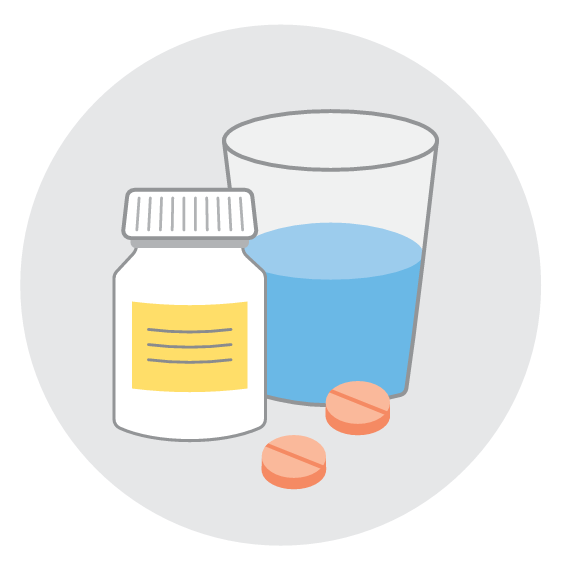
Tablets
Medicines that increase blood flow to the penis can help, but only if the nerves controlling erections are still working. Your doctor may suggest taking the tablets before and soon after surgery, as the increased blood flow can help preserve penis health while the nerves recover.
You may be able to take tablets after radiation therapy and ADT, but they are less effective used with ADT long-term.
These tablets can’t be taken with some blood pressure medicines. Ask your doctor whether this applies to you.
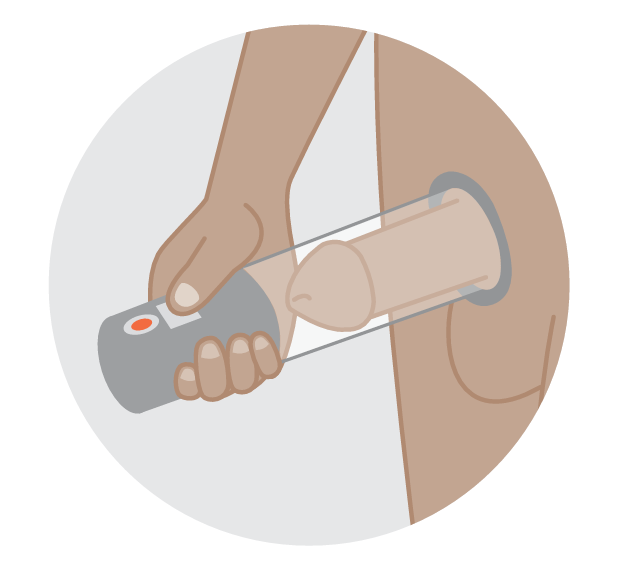
Vacuum erection device (VED)
A VED or “penis pump” increases blood flow to help you get or keep a natural erection. You place a clear, rigid tube over the penis. A battery-operated or manual pump creates a vacuum that causes blood to flow into the penis, so it gets hard. You put a rubber ring at the base of the penis to keep the erection firm after you remove the pump. The ring can be worn comfortably for up to 30 minutes.
Talk to your doctor or specialist nurse about which VED is right for you, and where you can buy one.
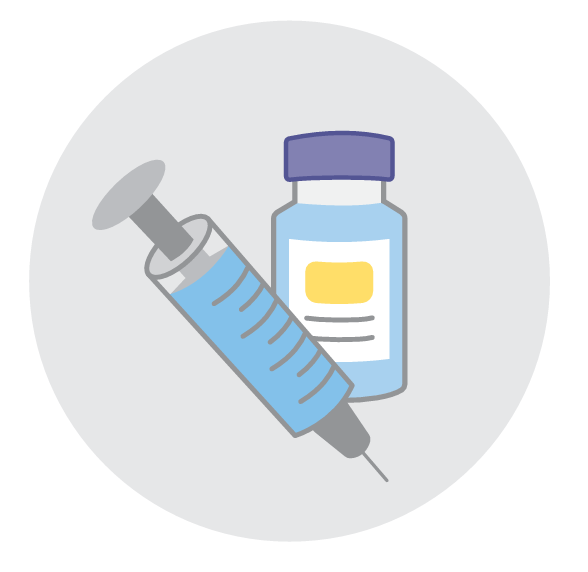
Penile injection therapy (PIT)
Injecting medicine into the penis makes its blood vessels expand and fill with blood. This causes an erection. It usually starts in 15 minutes and lasts for 30–60 minutes.
The medicine must be prescribed by a doctor, nurse practitioner or erectile dysfunction specialist service. It comes in a syringe you use once, or in small bottles (vials) from a compounding pharmacy, where you measure the dose into a syringe.
You will need to learn how to give the injection. This may sound painful, but the discomfort only lasts for a moment.
PIT works well for many people, but it can sometimes cause pain and scarring. One side effect that can happen is a painful erection that won’t go down (priapism). This needs emergency medical attention.
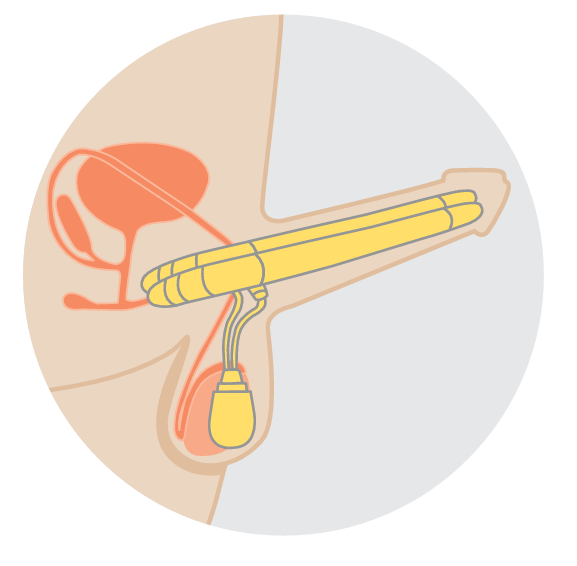
Implants
A penile prosthesis is a permanent implant that helps you get an erection.
During surgery, flexible rods or thin, inflatable cylinders are placed inside the penis. These are connected to a small pump in the scrotum. You squeeze the pump to get an erection.
Implants may be an option when tablets or injections haven’t worked after 12 months of trying.
A rare side effect of penile implants is infection. If this happens, the implant must be removed. This means you will no longer be able to have an erection.
You may see ads for herbal or natural therapies, nasal sprays and lozenges to treat erection problems. Talk to your doctor before using them as some could be harmful. Products with testosterone, or that act like testosterone in the body, may make some cancers grow.
Difficulty reaching orgasm
Stress and worry can make reaching an orgasm more difficult. The brain is one of the major sexual organs and thinking about past positive sexual experiences or fantasies may help. You could also try exploring erotic stories in books, magazines or movies.
If you’ve had sensitive areas removed (such as your clitoris or parts of the vulva), you may have difficulty reaching orgasm. Surgery to remove the uterus, cervix or ovaries can also change how you experience sexual pleasure. See a sex therapist for help with this.
Only 1 in 3 women can have an orgasm with penetration alone. Accept that you may not orgasm every time. Focus on giving and receiving pleasure in ways that feel good, rather than reaching a certain point.
Tips for reaching orgasm
- Use masturbation to find what feels good for you.
- Use stroking and massage or guide your partner’s hands or fingers to areas that arouse you.
- Try tensing and relaxing your vaginal and pelvic floor muscles in time with your breathing.
- Try reaching orgasm in other ways than penetration (e.g. oral sex, masturbation).
- Experiment with different positions, like tensing your thighs, closing or opening your legs or pointing your toes.
- Consider using an electric vibrator for the extra stimulation you need to reach orgasm. You can try clitoral stimulation during penetration by touching yourself, or try a sex toy designed for use during intercourse.
Early medical or surgical menopause
Natural menopause happens when the ovaries gradually stop working, periods stop, and you can no longer get pregnant naturally. This usually happens between ages 45 and 55. But some cancer treatments can cause early menopause, also called induced menopause or premature ovarian insufficiency (POI). When menopause happens suddenly, symptoms can be more severe than natural menopause because your body hasn’t had time to slowly get used to the lower hormone levels.
Most menopause symptoms are caused by a drop in your body’s oestrogen levels. Symptoms may include aching joints, mood changes, hot flushes, night sweats, trouble sleeping, a dry vagina, reduced libido, dry or itchy skin, needing to pee more often or brain fog. Menopause can also weaken your bones (osteoporosis or osteopenia).
There are medicines and other ways to help with low or no oestrogen. Speak to your doctor to find out what’s best for you. Be careful with herbal or over-the-counter products, or anything you find online. These may not be safe and may interact with prescription medicines or your cancer treatments. Always talk to your doctor about any supplements.
Early menopause may affect how you feel about yourself. You may feel older than your age, less feminine or less attractive. But for some people, not having periods is a relief.
See Changes to the vagina for help with common vaginal issues that can happen after menopause. You can make an appointment at a menopause clinic to talk about ways to manage symptoms, and how they may be affecting your sex life.
See Fertility and cancer, or for more information about early menopause, visit the Australasian Menopause Society and Jean Hailes for Women's Health.
Managing other physical changes
Emotional concerns
Coping with changes in appearance
If the way your body looks has changed, you may feel self-conscious. It’s common to feel a range of emotions about the physical changes, which may include: changes to how your body works; removal of a body part or use of a prosthesis; having a stoma; loss of hair on the head and body; weight changes; rashes; swelling (lymphoedema); scars; and increased chest tissue in males.
The way you look may affect how you feel about yourself. Changes to your face or body may make you feel less attractive, and this can affect your sexual confidence, self-esteem and body image. Often, your partner (or someone you like) won’t care about how you look. Even so, you may worry about people’s reactions to you, or that they will avoid or reject you when they see how your body has changed.
Some head or neck cancers can cause changes to how you look, speak, at or breathe. These changes can be upsetting because they are visible, and may also affect kissing, talking and eating.
It takes time to adjust to changes in appearance. Some changes may improve with time, while others may be permanent. When there are changes to your body image as a result of cancer, remember: you are much more than how your body looks. Be gentle with yourself. You are a person, who deserves love and care, and it’s okay to accept yourself just as you are.
Look Good Feel Better program
This free 2-hour program teaches adults and teens of any gender how to use skin care and hats to feel more confident during and after treatment. Visit Look Good Feel Better to book into a workshop. They can also send you a confidence kit if you can’t attend in person.
Tips for adjusting to changes in your body
- Remember that sexual attraction is a mix of emotional and physical factors, not just how your body looks.
- Wear clothes, make-up or accessories that make you feel good or highlight your favourite features.
- Consider showing your partner any changes to your body before sex and tell them what feels okay. Letting your partner look and gently touch these areas may help both of you feel more comfortable with the changes.
- If you feel shy or worried about part of your body, keep that area covered during sex. If you have had breast surgery, you may choose to wear a camisole. You may also want to avoid positions that show the area.
- If your hair has fallen out, you can wear a scarf, hat or wig, or you may prefer to leave your head uncovered. See Hair loss or call Cancer Connect on 13 11 20 to find a wig service near you.
- If your weight has changed, choose clothes that fit you well. Something too tight or too baggy may highlight changes. You may want to buy a new outfit that helps you to feel more confident.
- Try dimming the lights or using candles when you have sex, to help you feel more relaxed about your body.
- Ask your doctor about plastic surgery or a facial prosthesis if surgery or radiation therapy has affected your face. This may help you regain a more natural appearance and improve the way you speak.
- See a counsellor to help you adjust to the changes.
- For some people, it may help to spend time looking at yourself in the mirror. This way you get used to the changes to your body. You can use a handheld mirror to see the genital area. Touch your scars so you learn how they feel now.
Managing anxiety
Feeling anxious and scared is a normal reaction to finding out that you have cancer. You may also feel anxious about having sex. You may worry about how you look, how your partner will react, how your body will work, fear being touched, or be anxious that sex will hurt. If you’re single, you may also feel worried about starting a new relationship. If the anxiety is about intimacy, ask your GP or other doctor for a referral to a sex therapist or psychosexual therapist.
Anxiety may affect your self-esteem and you may lose interest in sex or even avoid it. Learning more about the cancer and asking your treatment team what to expect can help reduce uncertainty and ease anxiety. Think about how you have coped with stressful situations in the past and talk about these strategies with your partner, a trusted family member or friend.
Tips for managing anxiety
- Relaxing your body and mind can help you feel more in control. Try mindfulness, relaxation or meditation. Cancer Council’s podcast series Finding Calm During Cancer includes relaxation and meditation tracks.
- Talk to your doctor about medicine to help manage your anxiety. Keep in mind that some medicines may lower your libido or your ability to have an orgasm.
- If thoughts race or are hard to control, cognitive behaviour therapy (CBT) may help. It changes unhelpful thought patterns that affect your sex life. A psychologist or counsellor can support you. Ask your GP for a referral as you may be able to get a Medicare rebate.
- Anxiety can affect sleep, and poor sleep can cause anxiety. Ask your doctor how you can improve your sleep.
Coping with sadness and depression
Try to get enough sleep
Poor sleep can make you feel worse. Try to wake up and go to bed at the same time every day. Avoid long naps or caffeine after lunchtime. Limit screen time (TV or your phone/tablet) at night. Read or try relaxation exercises. If you wake up to pee, drink less at night or talk to your doctor.
Exercise and eat well
Physical activity can improve mood, so try to move a bit each day. Slowly start some exercise or just take time to get outside. Stop if you feel unwell. Eating nutritious food gives you energy. If you’re not hungry, try a snack or smoothie.
Try an activity
Make time for what you enjoy, or to talk to a friend – don’t wait to feel “up to it”. If reading feels too hard, try an audiobook. Doing small tasks can help you feel in control. Break tasks into little steps. If you don’t do it today, you can try tomorrow.
Ask about side effects
Ask if your medicine or treatment can affect your mood. If you feel depressed, talk to your doctor, as counselling or medicines – even for a short time – may help. Let them know if sex is important, as some antidepressants affect sexual function.
Find support
If you continue to feel sad, or worry that someone you care for may be depressed, call 1300 22 4636 or visit Beyond Blue. For 24-hour crisis support, call Lifeline on 13 11 14. You can talk to your GP or cancer care team. In an emergency, call Triple Zero (000) or go to an emergency department.
Find support services
Find the right services for your needs, wherever you are in Australia
Read cancer information
Trusted cancer information for all people affected by cancer
Need to talk to someone?
We're available 9am - 5pm, Monday to Friday (excluding public holidays)