

Myeloma Australia
Services offered
Cancer information
Support from cancer nurses
Emotional support
+3
A stem cell transplant is when diseased blood cells are destroyed by high-dose chemotherapy and replaced with blood stem cells. It’s also called high-dose therapy and stem cell rescue, and it aims to destroy as much myeloma as possible.
Your own stem cells are usually used (an autologous transplant) but occasionally donor cells are used (an allogeneic transplant).
A stem cell transplant is not suitable for everyone. The side effects of the high-dose chemotherapy before the transplant can be intense. The whole process, including recovery, can take up to a year.
You may be offered a stem cell transplant. This is when diseased blood cells are destroyed by high-dose chemotherapy and replaced with blood stem cells. This is also known as high-dose therapy and stem cell rescue. It aims to destroy as much remaining myeloma as possible and increase the length of the plateau phase (remission). Usually your own stem cells are used for this procedure, which is called an autologous transplant. If donor stem cells are used, it’s an allogeneic transplant.
An autologous transplant is done in several stages. Before the process begins, you have induction treatment to put the myeloma into a plateau phase. The stem cells are then removed and frozen. Next, you have high-dose chemotherapy, followed by the return of your stem cells. Learn about the steps in an autologous stem cell transplant.
Although a stem cell transplant can help some people, it is not suitable for everyone. The high-dose chemotherapy that is given before the transplant can have a lot of side effects. To work out whether a stem cell transplant is suitable for you, your haematologist will consider your general health, age, the type of myeloma you have, how fast it is growing and how it responds to treatment. The risks and benefits will be discussed with you.
Stem cell transplants are available only at some hospitals, so you may need to be referred to another hospital. The entire procedure, including recovery, can take months or up to a year.
This is a general outline of a transplant using your own stem cells, but the process varies. Talk to your transplant team about what to expect. More detailed information about stem cell transplants is available from Myeloma Australia.
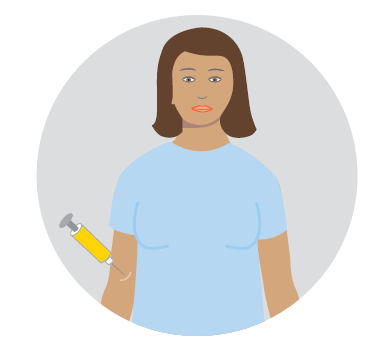
The first step is to help the body make more stem cells. You’ll usually have a dose of chemotherapy followed by injections of a growth factor drug called granulocyte-colony stimulating factor (G-CSF) for 5–10 days. You can often have these injections at home.
G-CSF helps the stem cells multiply and move out of the bone marrow into the blood. This process is called mobilisation and it takes several days. Blood tests will show whether your blood has made enough stem cells for collection.
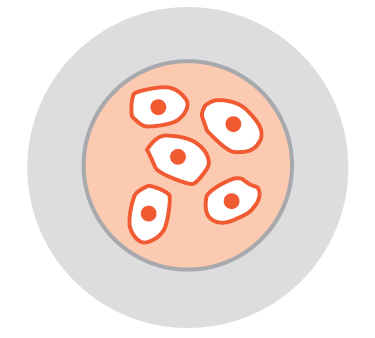
Stem cells are collected from your blood using a process called apheresis. You will have a needle called a cannula inserted into a vein in each arm, or you may need a special tube called a central line surgically inserted into your chest or neck.
During apheresis, blood is taken from your body, passed through a machine to remove the stem cells, and then returned to your body. This takes 3–4 hours and is usually done during a day visit to the hospital.
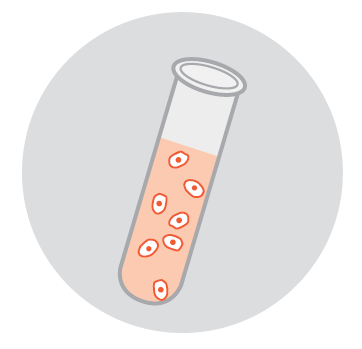
The stem cells are frozen using liquid nitrogen. This is known as cryopreservation. You will have a rest period at home for about a month before the next step.
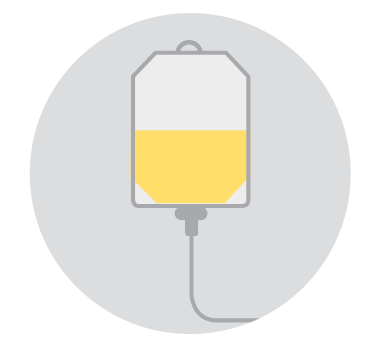
In the week before the transplant, you’ll go to hospital for high-dose chemotherapy (sometimes called conditioning treatment) to kill any remaining myeloma cells. This will also destroy the stem cells in the bone marrow, making room for new stem cells to grow. Side effects will be similar to those of standard chemotherapy but can be more intense. They may include nausea, diarrhoea, mouth sores, flu-like symptoms and high risk of infections.
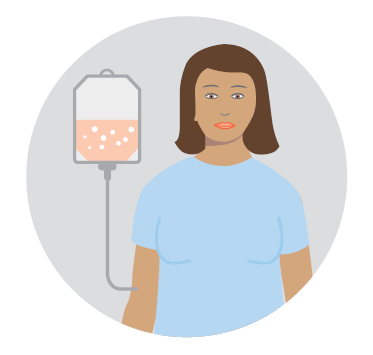
A day or so after you have high-dose chemotherapy, your frozen stem cells are thawed and put back into your body (reinfused) using an intravenous drip. This process is similar to a blood transfusion and takes about an hour. You may have stomach cramps and feel sick (nauseous), which can be managed with medicines. You may also notice a “sweet corn” smell as the body flushes out the preservative used to freeze the stem cells.

Over the next couple of weeks, the new stem cells will develop into new blood cells, allowing your bone marrow to recover. This is called engraftment. While the stem cells engraft, you’re at risk of infection. In most cases, you will stay in hospital for 1–3 weeks until your blood counts have returned to safe levels and you’re well enough to go home. Once home, you’ll need check-ups every week or so. Over time, you’ll need check-ups less often.
Myeloma Australia
Services offered
Leukaemia Foundation
Services offered
Find the right services for your needs, wherever you are in Australia
Trusted cancer information for all people affected by cancer
We're available 9am - 5pm, Monday to Friday (excluding public holidays)