

Melanoma Patients Australia
Services offered
Cancer information
Support from cancer nurses
Emotional support
+2
New or changing spots could be signs of melanoma. Anyone can develop melanoma but the risk is higher if you have unprotected exposure to ultraviolet (UV) radiation when the UV index is 3 or above, and if you have lots of moles, or pale or freckled skin that burns easily.
A small number of melanomas are linked to an inherited faulty gene. People with a strong family history of melanoma should take extra care with sun protection and regularly check their skin for new spots.
The ABCD and EFG rule is a tool used by doctors to help them look for characteristics of skin damage when diagnosing melanomas.
AsymmetryAre the halves of each spot different? |
 |
BorderAre the edges uneven, scalloped or notched? |
 |
ColourAre there differing shades and colour patches? |
 |
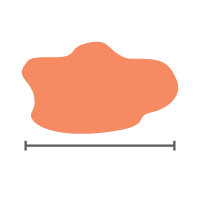
DiameterIs the spot greater than 6 mm across, or is it smaller than 6 mm but growing larger? |
 |
Some types of melanoma, such as nodular and desmoplastic melanomas, don’t fit the ABCD guidelines.
ElevatedIs it raised? |
 |
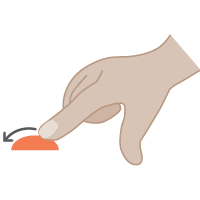
FirmIs it firm to touch? |
 |
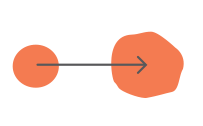
GrowingIs it growing quickly? |
 |
New moles mostly appear during childhood and through to the age of 30 to 40. However, adults of any age can develop new or changing spots. It is important to get to know your skin and check it every 3 to 6 months.
To check your skin, make sure you are in a place with good light, undress completely and use a full-length mirror to check your whole body. For areas that are hard to see, use a handheld mirror or ask someone to help. It is also a good idea to take a photo of your moles and spots so that you can compare them with an older photo to see if one has changed.
How melanoma looks can vary greatly. Look for spots that are new, different from other spots, or raised, firm and growing. If you have lots of moles, a melanoma usually stands out and looks different from other moles. A melanoma is usually brown or black, but it can also be pink.
Even if your doctor has said a spot is benign in the past, check for any changes in shape, size or colour. If you notice a new or changing spot, get it checked as soon as possible by your doctor.
While anyone can develop melanoma, the risk is higher for people who have:
Less than 2% of melanomas are linked to an inherited faulty gene. You could have an inherited faulty gene if 2 or more close relatives (parent, sibling or child) have been diagnosed with melanoma, particularly if they were diagnosed with more than one melanoma, or if they were diagnosed with melanoma before the age of 40.
People with a strong family history of melanoma should take extra care with sun protection and regularly check their skin carefully for new moles or skin spots. From their early 20s, they should consider having a professional skin check by a doctor.
If you are concerned about family risk, talk to your doctor about being referred to a family cancer clinic. Visit Centre for Genetics Education to find a family cancer clinic near you. To learn more, call Cancer Connect on 13 11 20.
Melanoma Patients Australia
Services offered
myCarePlan.org.au
Australian Cancer Survivorship Centre
Services offered
Find the right services for your needs, wherever you are in Australia
Trusted cancer information for all people affected by cancer
We're available 9am - 5pm, Monday to Friday (excluding public holidays)