


Head and Neck Cancer Australia
Services offered
Cancer information
Support from cancer nurses
Emotional support
+1
Head and neck cancers are a range of cancers that start in the head and neck area. These include cancers that start in the mouth, nose, throat (pharynx) and voice box (larynx).
Almost 5600 Australians are diagnosed with a head and neck cancer each year, with men making up about 75% of cases.
Find out more below about types of head and neck cancers, and the health professionals you may see for treatment.
Head and neck cancer is a general term for a range of cancers that start in the head and neck area. About 9 out of 10 head and neck cancers start in the moist lining of the mouth, nose or throat. The lining is called the squamous epithelium, and these cancers are called mucosal squamous cell carcinomas (SCCs). Some head and neck cancers start in glandular cells, and many of these cancers are called adenocarcinomas. SCCs and adenocarcinomas can also occur in other parts of the body.
Non-melanoma skin cancers may also be called head and neck cancers when they start in this part of the body.
The first sign of many cancers is often a lump under the skin of the neck or cheek. This can happen when cancer has spread to a lymph node. Your doctors will run tests to work out what type of cancer it is. It might be a head and neck cancer or it might be a cancer that has spread from elsewhere in the body. For example, stomach cancer can spread to a lymph node in the neck and will still be considered stomach cancer.
Occasionally, tests show that a cancer in the head and neck started in another part of the body, but it is unclear where it started. This is called cancer of unknown primary (CUP).
For details about other cancers, see cancer types.
It’s estimated that almost 5600 Australians are diagnosed with a head and neck cancer each year (not including skin cancers).
Head and neck cancers are more common after the age of 40. Women make up about 25% of cases of head and neck cancer, and men about 75% of cases. This is mainly due to men having higher smoking and drinking rates. However, the rate of oral cancer in females who don’t smoke tobacco is increasing.
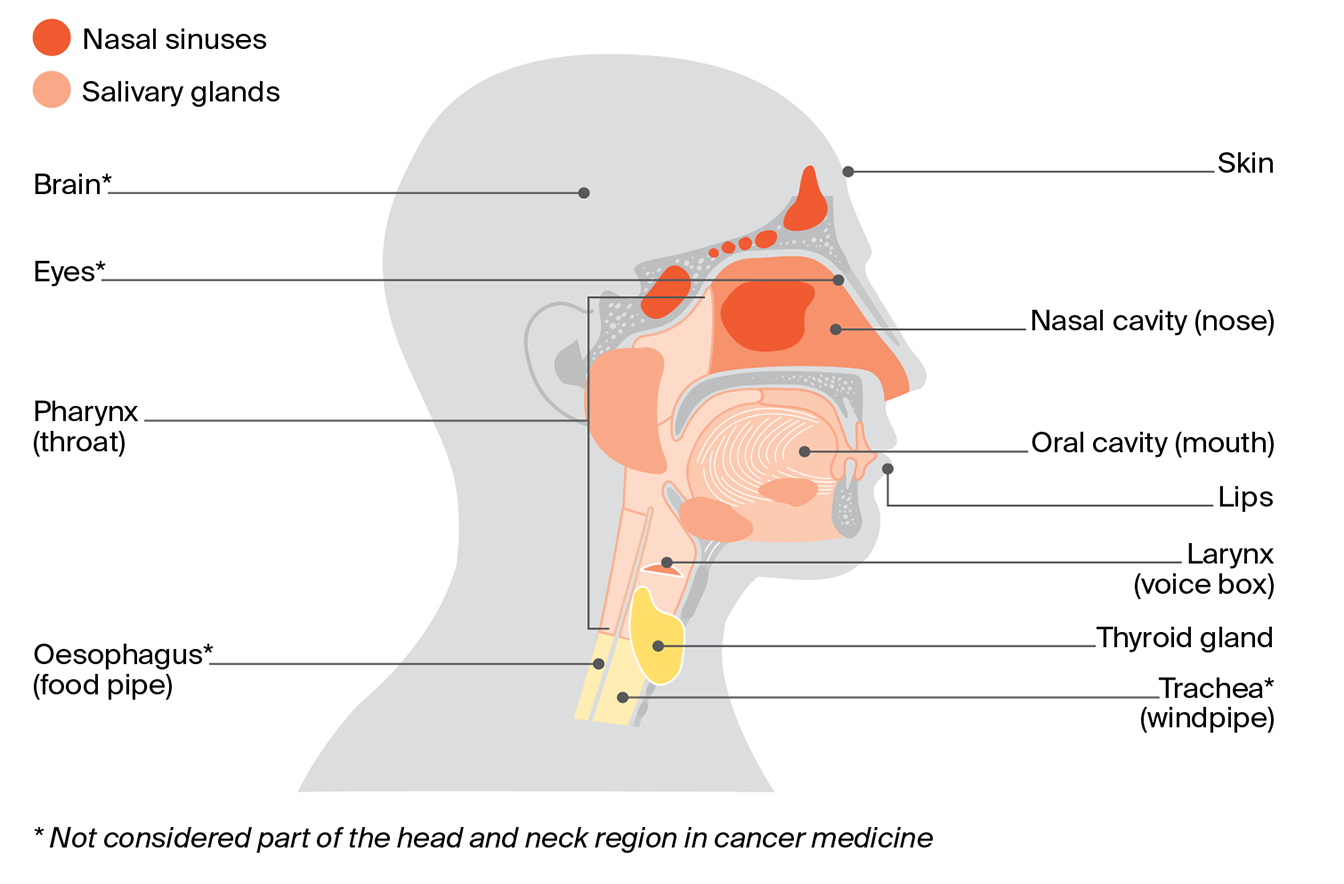
In cancer medicine, the region called “head and neck” includes the:
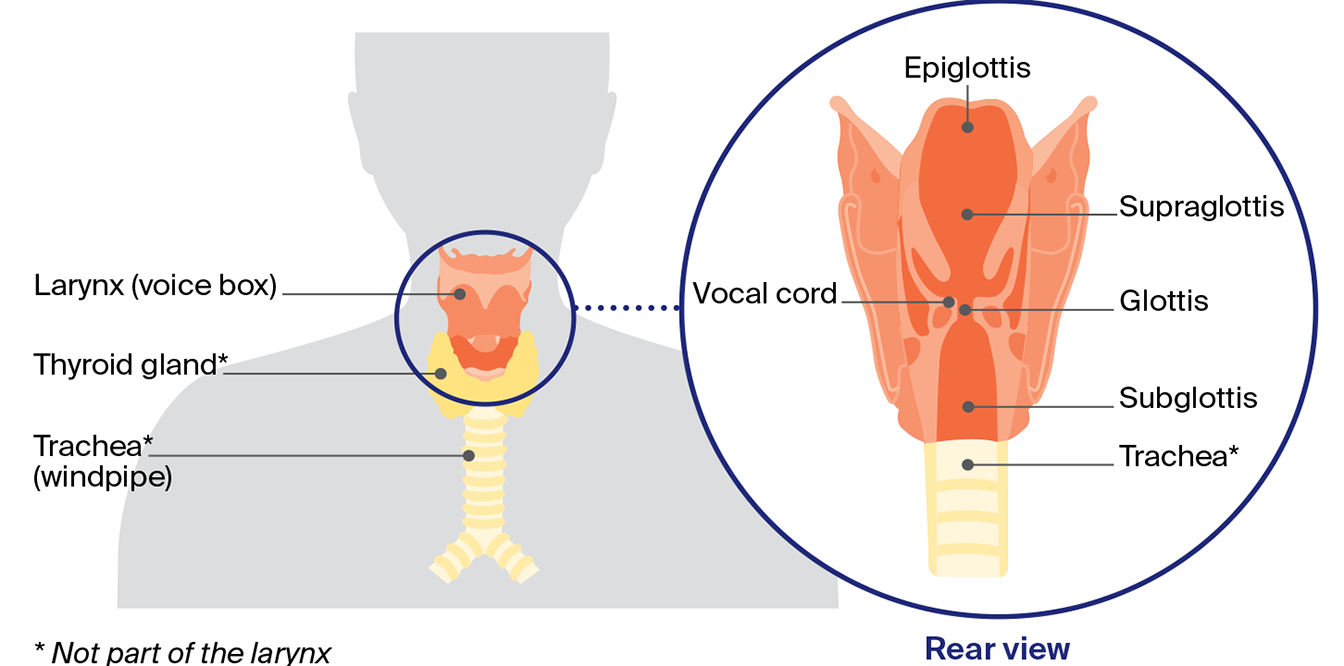
The thyroid is a hormone-producing gland found at the front of the neck and just below the voice box. Thyroid cancer has a different cause and is managed differently to most head and neck cancers.
Areas that are not considered part of the head and neck in cancer medicine include the brain, eyes, oesophagus (the food pipe), trachea (the windpipe), and the bones and muscles of the head and neck. These areas may still develop cancer, and they can also be affected by nearby head and neck cancers and their treatment.
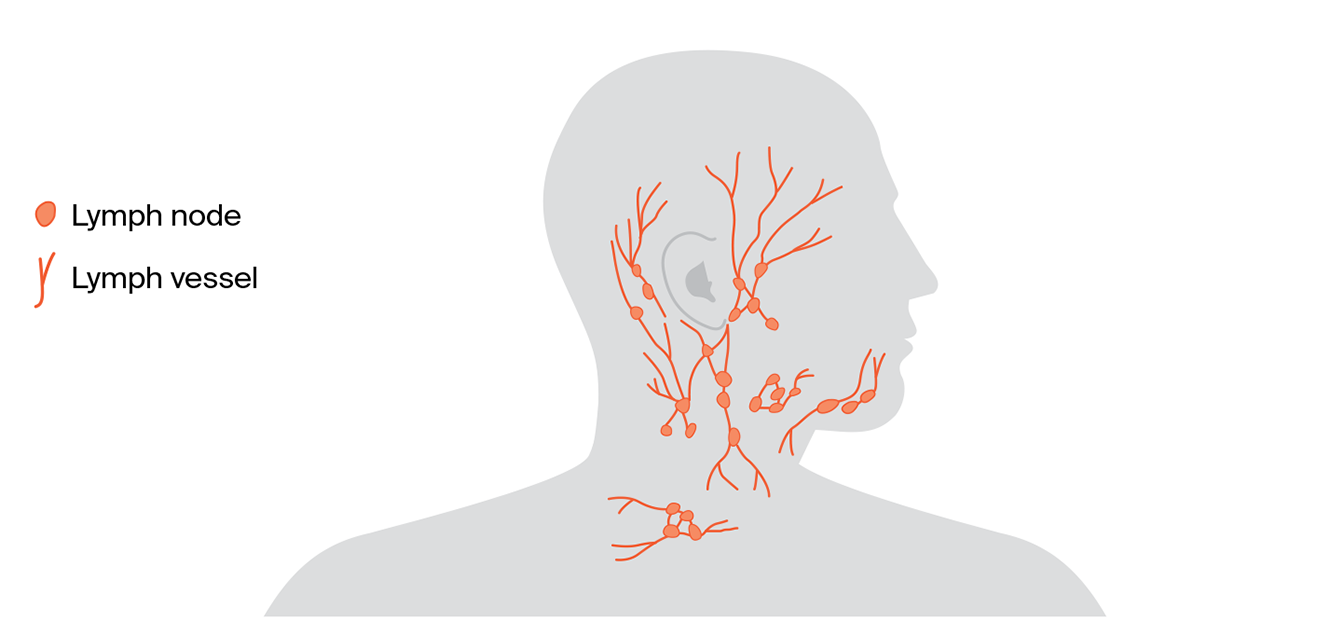
The whole body, including the head and neck, contains many lymph nodes. Lymph nodes are small, bean-shaped structures found throughout the body. They form part of the lymphatic system, which helps protect the body against disease and infection. When cancer spreads, it usually spreads to nearby lymph nodes first.
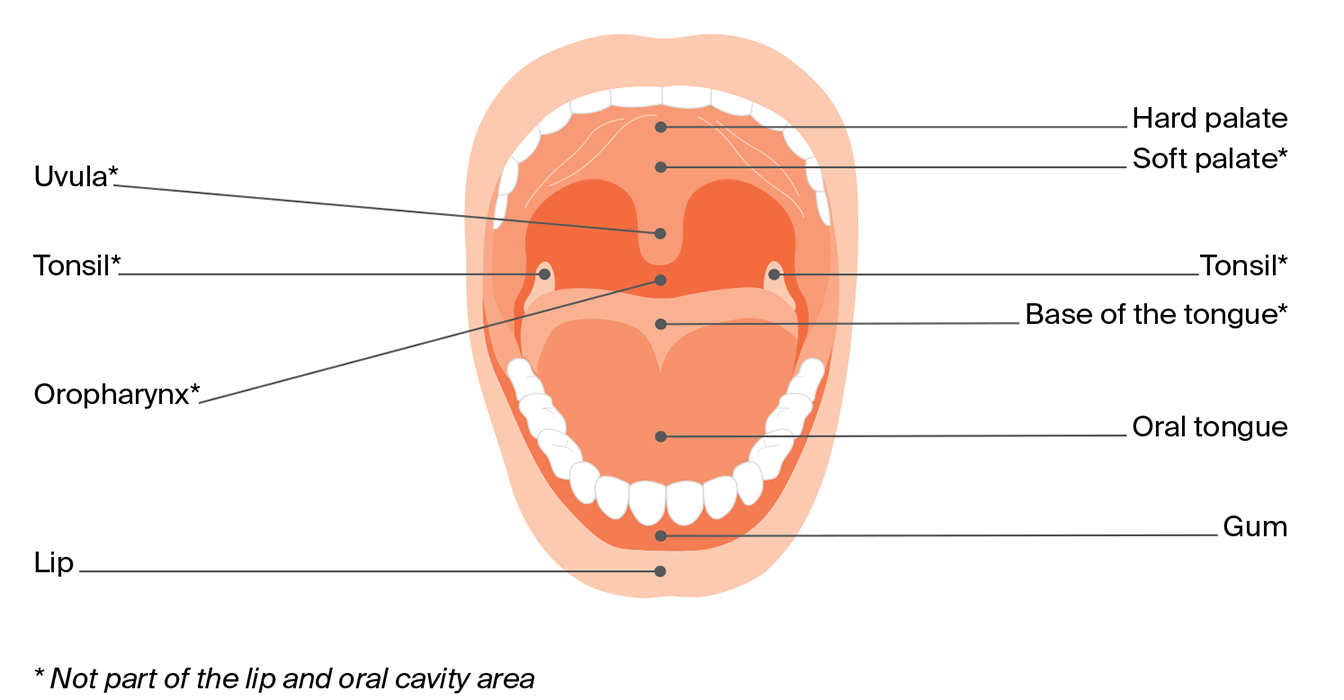
Cancer that starts in the mouth is known as oral cancer. The mouth is made up of the lips and the oral cavity. The oral cavity includes the:
The area at the back of the mouth is called the oropharynx. It includes the base of the tongue, the tonsils, the uvula and the soft palate, as well as the middle section of the throat. Cancer of the oropharynx is known as oropharyngeal cancer.
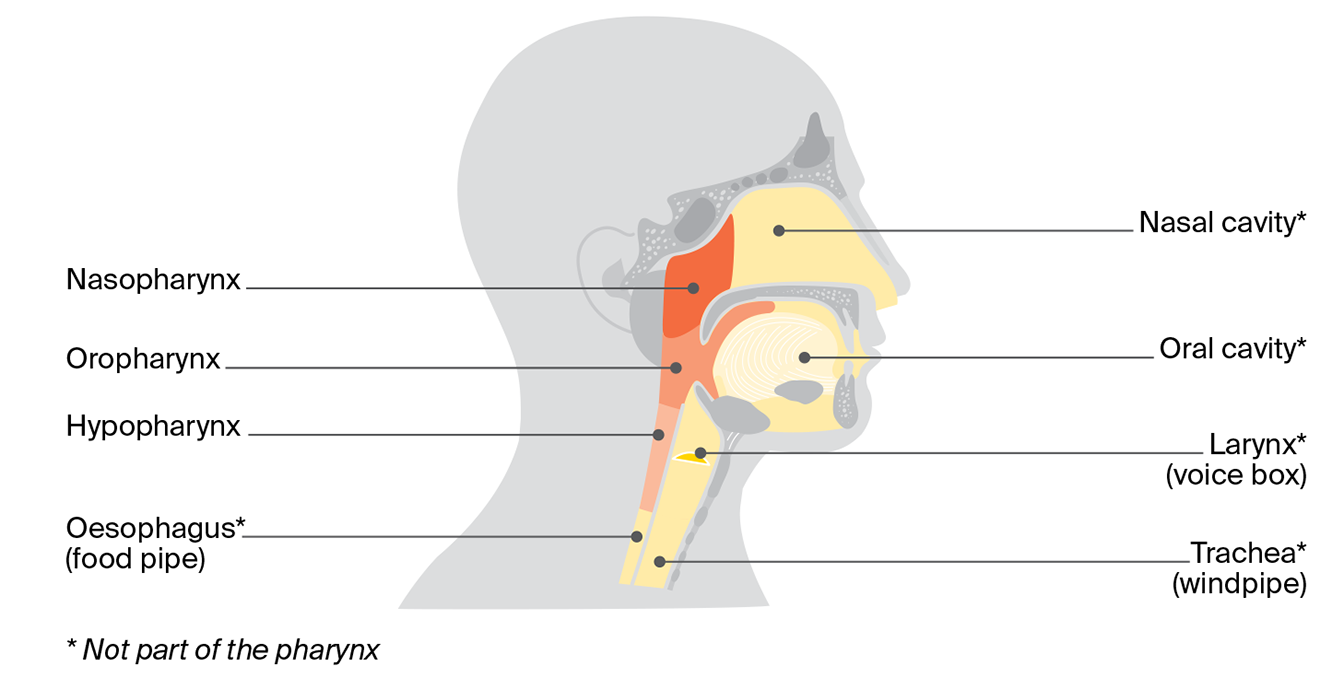
The throat, also called the pharynx, is a hollow tube that starts behind the nose and leads to the food pipe (oesophagus) and the windpipe (trachea).
The pharynx has 3 main parts:
Cancers in the 3 parts of the pharynx behave differently and are treated differently.
The voice box, also called the larynx, is the entry point to the windpipe (trachea). It contains the vocal cords and protects the lungs. Cancer that starts in the larynx is called laryngeal cancer.
The larynx has 3 main parts:
The thyroid gland sits in front of the trachea under the voice box. It may be treated by a head and neck doctor.
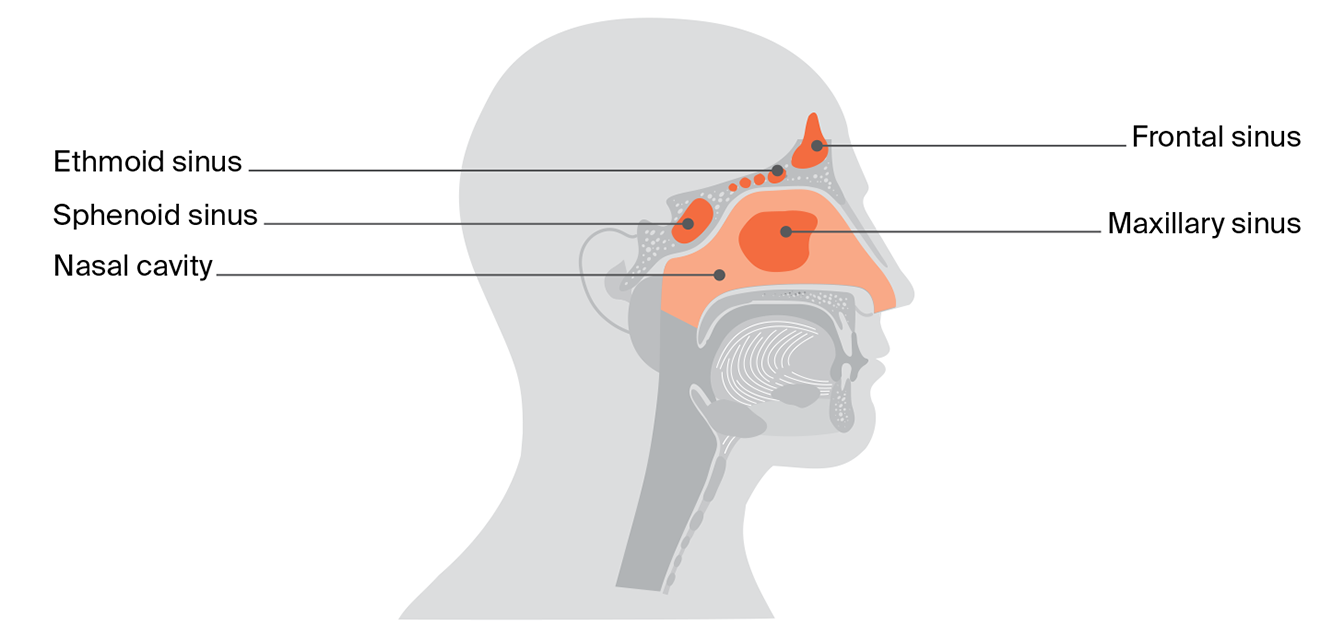
The nasal cavity is the large, hollow space behind the nose. It is separated into 2 main cavities by the nasal septum, a thin wall of bone and cartilage in the centre of the nose.
The paranasal sinuses are small, air-filled spaces in the side walls of the nose. They help to warm and moisten air passing to the lungs. They also influence the sound and tone of your voice. There are 4 pairs of paranasal sinuses:
Cancer that starts in the upper part of the throat behind the nose is called nasopharyngeal cancer. See Throat (pharyngeal) cancer above.
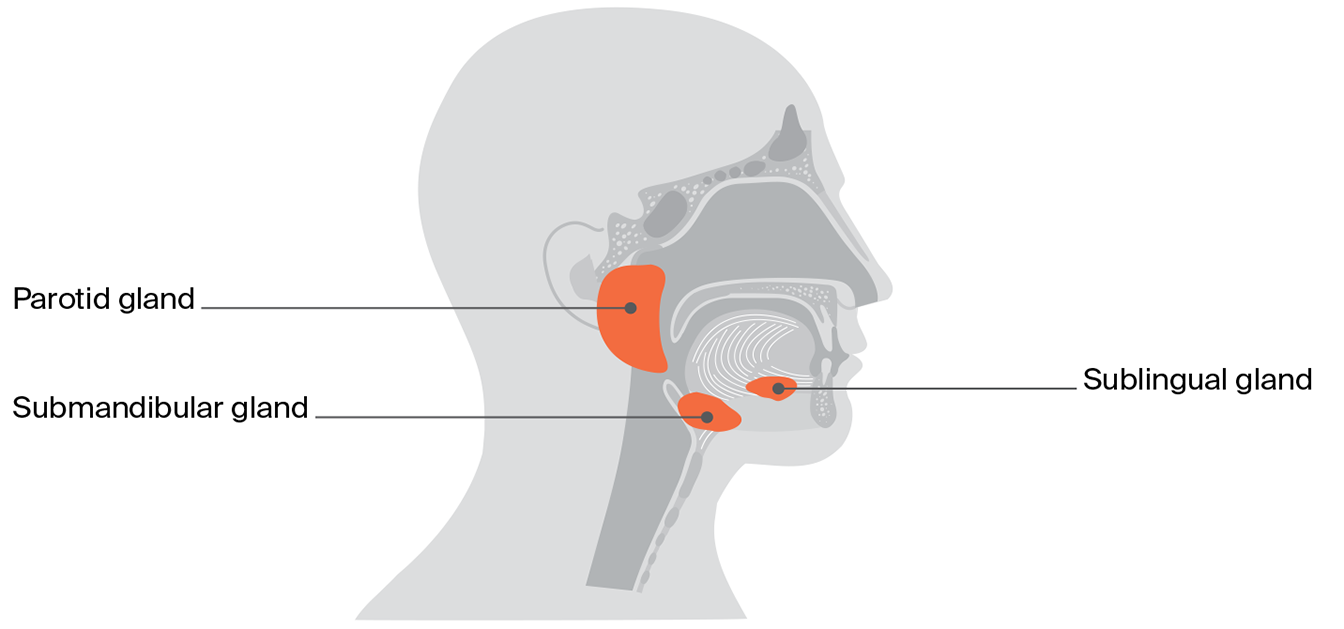
The salivary glands make the watery substance known as saliva. This keeps the mouth moist to help with swallowing and talking, and helps protect the mouth and teeth.
There are 3 pairs of major salivary glands:
There are also hundreds of smaller glands throughout the lining of the mouth, nose and throat. These are known as the minor salivary glands.
Cancers can start in the major or minor salivary glands. When cancer is found in one of the parotid glands, it may have spread from a skin cancer on the head or neck.
Your GP will arrange the first tests to assess your symptoms. If these tests do not rule out cancer, you will usually be referred to a specialist, who will arrange further tests. If head and neck cancer is diagnosed, the specialist will consider treatment options. Usually these will be discussed with other health professionals at what is known as a multidisciplinary team (MDT) meeting.
During and after your treatment, you will see a range of health professionals who specialise in different aspects of your care. It’s recommended that complex head and neck cancer is treated in a specialist centre. If you have to travel a long way for treatment, transport and accommodation assistance may be available to you. Call Cancer Connect on 13 11 20 for details.
Head and Neck Cancer Australia
Services offered
Find the right services for your needs, wherever you are in Australia
Trusted cancer information for all people affected by cancer
We're available 9am - 5pm, Monday to Friday (excluding public holidays)