

Leukaemia Foundation
Services offered
Cancer information
Financial support and information
Emotional support
+3
Some people have a stem cell transplant after high-dose chemotherapy. This is normally done as part of a hospital stay for several weeks.
Targeted therapy may be used for some subtypes of acute myeloid leukaemia (AML) and for people who are not able to have high-dose chemotherapy.
People with advanced AML may have chemotherapy or radiation therapy as palliative treatment to improve their quality of life.
After high-dose chemotherapy, some people may be offered a stem cell transplant. Stem cells are unspecialised cells that can develop into blood cells. They can be taken from the bloodstream (peripheral blood stem cell transplant), bone marrow (bone marrow transplant), or umbilical cord blood (cord blood transplant).
For AML, stem cells are usually collected from another person (a donor). This is called an allogeneic transplant. A suitably matched donor could be a relative or an unrelated person found through the Stem Cell Donors Australia registry. It can sometimes be hard to find a suitable donor. In this case, an overseas donor, a partially matched donor or a cord blood transplant may be considered. Half-matched family donors are increasingly being used (a haploidentical transplant).
A transplant that uses stem cells collected from your own body (called an autologous transplant) is rarely used to treat AML in Australia.
Although a stem cell transplant can help some people, it is not suitable for everyone. The chemotherapy that is given before the transplant can have a lot of side effects. Learn about the main steps in an allogeneic stem cell transplant.
I was told that my best chance was to have a bone marrow transplant, but it would depend on finding a suitable donor. Lots of people offered to help but even my brother was only a 5 out of 10 match, so the Red Cross … found 2 male donors in Germany and they were both 10 out of 10 matches.
This is a general outline of a transplant using stem cells collected from another person, but the process may vary from hospital to hospital. Your transplant team will let you know what to expect. For more detailed information about stem cell transplants, visit Leukaemia Foundation.
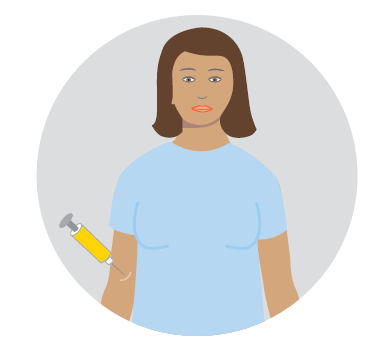
A suitably matched donor is found. They may be a close relative, or an unrelated donor found through an Australian or overseas donor registry. In some cases, the donor is given injections of a growth factor drug known as granulocyte–colony stimulating factor (G-CSF)
for 4–7 days. This helps stem cells multiply quickly and move out of the bone marrow into the blood.
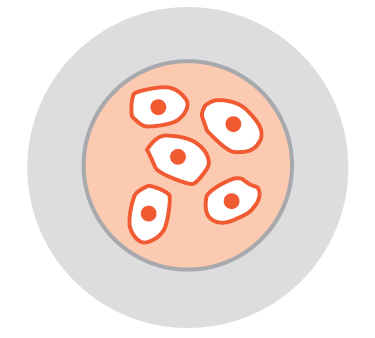
Stem cells are usually collected from the donor by a process called apheresis. A thin plastic tube called a cannula is inserted into a vein in each arm. Blood is taken from the donor, passed through a machineto remove the stem cells and then returned to the donor’s body. This takes 3–4 hours and is usually done during a day visit to the hospital. Less often, stem cells may be collected from the bone marrow. The donor is given a general anaesthetic and then a needle is inserted into their pelvic bone to remove the marrow.
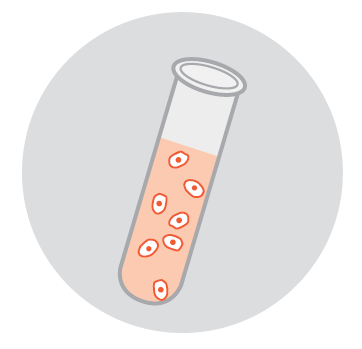
The stem cells from the donor are processed. They may be given to you on the same day they are collected or frozen using liquid nitrogen (cryopreservation). If the stem cells are collected at another hospital or imported from another country, they will be transported at a set temperature to keep them alive and in good condition (viable) for transplant.
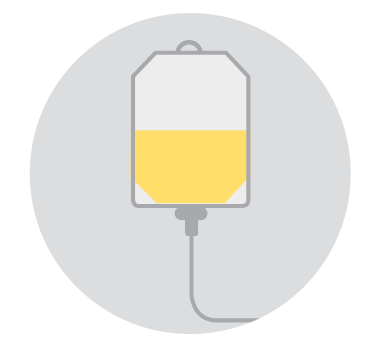
You may have high-dose chemotherapy and/or total body irradiation (radiation therapy to the whole body) before the transplant. These treatments aim to destroy any remaining leukaemia cells. They will also destroy the stem cells in your bone marrow, making room for new stem cells to grow. Some people will have reduced intensity conditioning (RIC). This means lower doses of chemotherapy and radiation therapy are used before the transplant, which is easier for the body to tolerate.
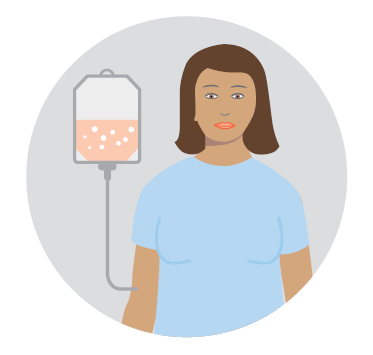
A day or so after the conditioning treatment, the donor’s stem cells are put into your body (infused) through a cannula or intravenous drip. This is similar to a blood transfusion and takes about an hour. You may have stomach cramps and feel sick (nauseous), which can be managed with medicine.
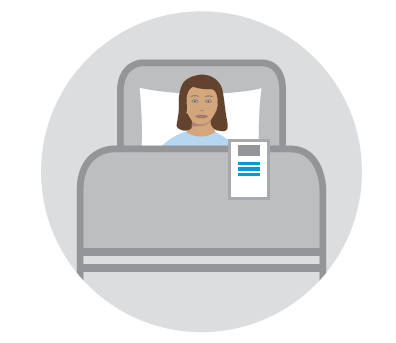
Over the next couple of weeks, the donated stem cells will develop into new blood cells, allowing your bone marrow to recover. This is called engraftment. You’ll be given drugs to reduce the risk of the transplanted stem cells attacking your body (graft-versus-host disease or GVHD). You will usually stay in hospital for 3–4 weeks until you are well enough to go home. In some cases, you may be able to have the transplant as an outpatient. Once you go home, you’ll need weekly check-ups for the first few months. These will usually become less frequent over time.
Targeted therapy uses drugs that attack specific features of leukaemia cells to stop them growing and spreading. Venetoclax is a type of targeted therapy drug that may be used for people with certain subtypes of AML and those who are not able to have high-dose chemotherapy.
Venetoclax blocks the action of BCL-2, a protein that helps leukaemia cells survive. It is taken as a tablet in combination with a chemotherapy drug (usually azacitidine). Some people may need to stay in hospital for the first 3–4 days of treatment while the dose is adjusted. Your doctor will advise you to drink plenty of water during the first few weeks of treatment. This helps to prevent tumour lysis syndrome (TLS). TLS may occur when leukaemia cells die and release a chemical called uric acid. A build-up of uric acid can damage the kidneys.
Other possible side effects include:
Speak to your treatment team if you experience any side effects, as they can often be treated with medicines.
AML may be treated with other targeted therapy drugs such as midostaurin and gemtuzumab ozogamicin (which are both used in combination with chemotherapy). People with relapsed AML may be offered a drug called gilteritinib.
Immunotherapy uses the body’s own immune system to fight cancer. This is more commonly used for ALL, but it may be used in some clinical trials for AML. Ask your doctor if there are any trials that might be suitable for you. Learn more about immunotherapy.
Also known as radiotherapy, radiation therapy uses targeted radiation to kill or damage leukaemia cells so they cannot grow, multiply or spread. The radiation is usually in the form of x-ray beams.
Radiation therapy is not often used for AML, but it may be recommended for AML that has spread, or is likely to spread, to the spine and brain. It is also sometimes given to the whole body (total body irradiation) before a stem cell transplant.
These may include:
It’s taken me a number of years to get my stamina back to where I feel like I’m not constantly lacking energy. That’s something I’ll have to deal with for a while, but at least I’m healthy now.
Palliative treatment can be used at any stage of advanced AML to improve quality of life. As well as slowing the spread of leukaemia, it can relieve pain and help manage other symptoms. Treatment may include chemotherapy and/or radiation therapy.
Palliative treatment is one aspect of palliative care, in which a team of health professionals aims to meet your physical, emotional, cultural, social and spiritual needs. The team also provides support to families and carers.
Leukaemia Foundation
Services offered
Find the right services for your needs, wherever you are in Australia
Trusted cancer information for all people affected by cancer
We're available 9am - 5pm, Monday to Friday (excluding public holidays)