Easy Read

Chemotherapy

Chemotherapy uses strong medicines to kill cancer. It is also called ‘chemo’.

This information will help you understand what happens during chemotherapy and what side effects you may have.
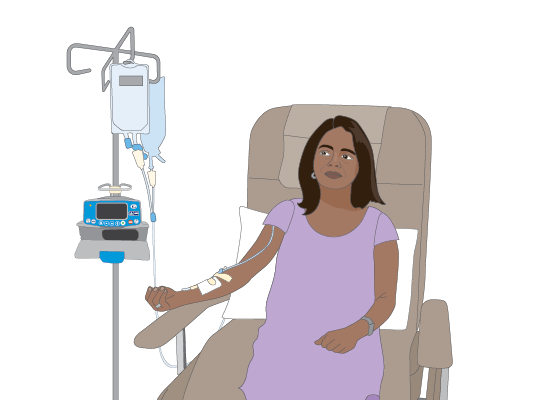
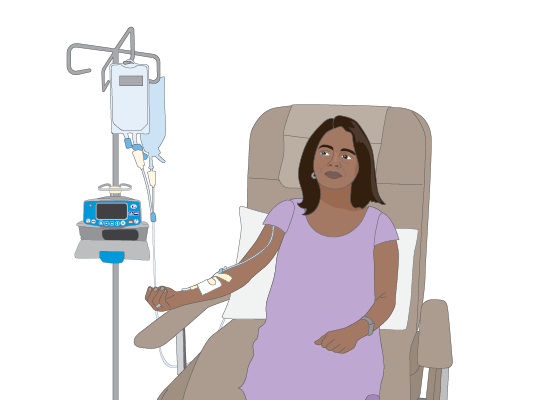
A woman in a purple dress is sitting in a comfortable chair with an IV drip attached to her arm. A woman in a purple dress is sitting in a comfortable chair with an IV drip attached to her arm.

What is chemotherapy?

A woman in a purple dress is sitting in a comfortable chair with an IV drip attached to her arm.

This information is about chemotherapy.

Chemotherapy is treatment for cancer.
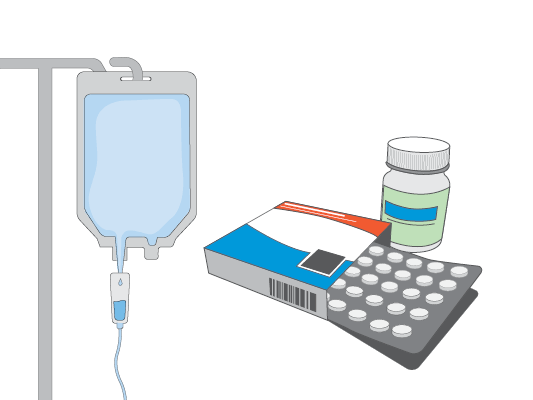
An intravenous fluid bag, a medicine bottle, a medicine box and a blister pack of tablets.

Chemotherapy uses strong medicines to kill cancer.
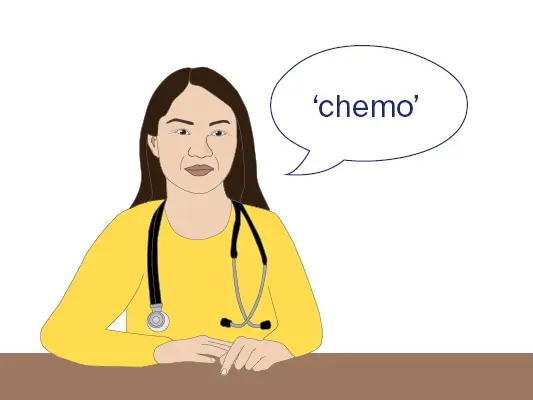
A woman with a stethoscope around her neck is seated behind a desk; a speech bubble is above the woman with the word "chemo".

The word ‘chemo’ also means chemotherapy.
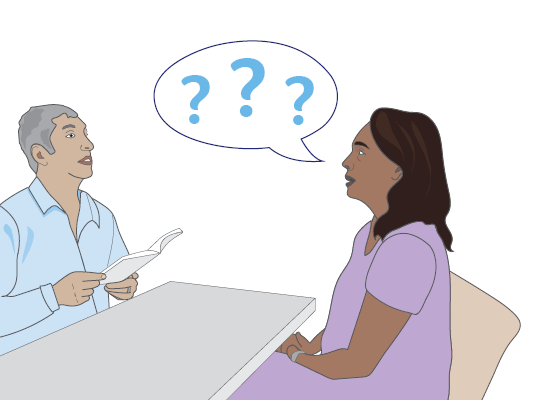
A man in a blue shirt speaking with a seated woman in a purple dress; a speech bubble with question marks in it is above the woman's head.

Having chemotherapy can feel scary. You can ask your doctor questions about anything you do not understand.

How you get chemotherapy
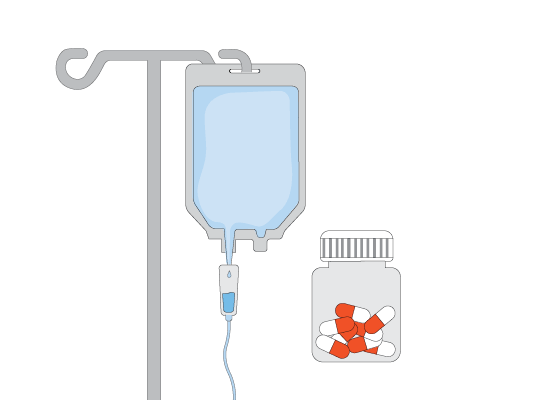
An intravenous fluid bag hanging from a stand and a medicine bottle.

There are many kinds of chemotherapy medicines.
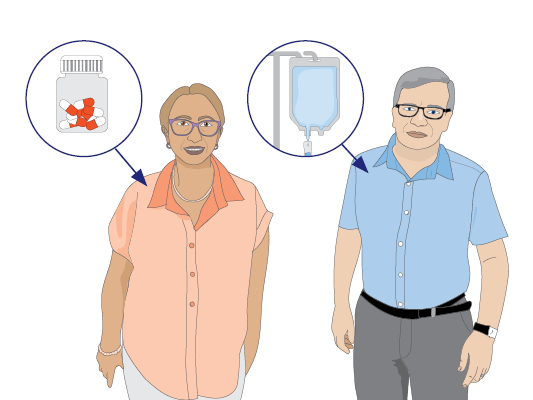
Two people standing side by side, with a medicine bottle shown above one person and an intravenous fluid bag above the other.

Each person has different medicines. This is because some medicines work better for some types of cancer.
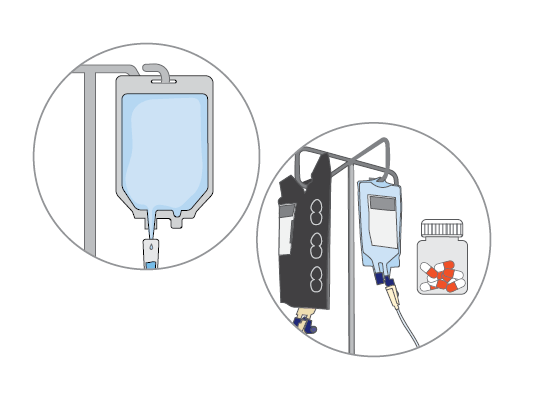
Two images; one showing an intravenous fluid bag and the second showing an intravenous fluid bag and a medicine bottle.

You may have one medicine or several medicines.

How you have chemotherapy
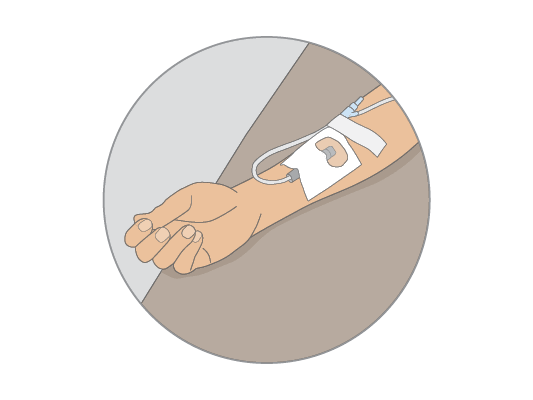
An intravenous cannula secured to a person's forearm with transparent dressing.

There are different ways to have chemotherapy.

One way is through a vein in your arm. We call this intravenous (IV) chemotherapy.
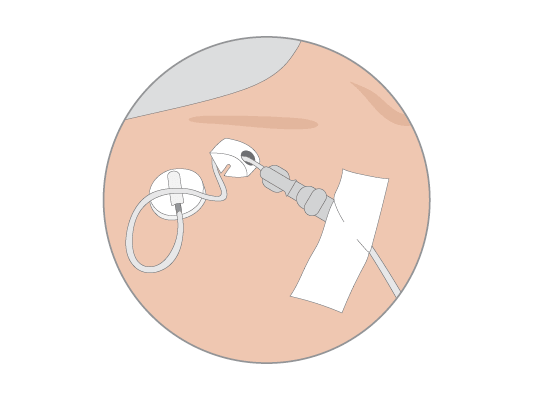
A medical port and tube secured to a person's upper chest with dressing.

Sometimes you have chemotherapy through a vein in your chest.
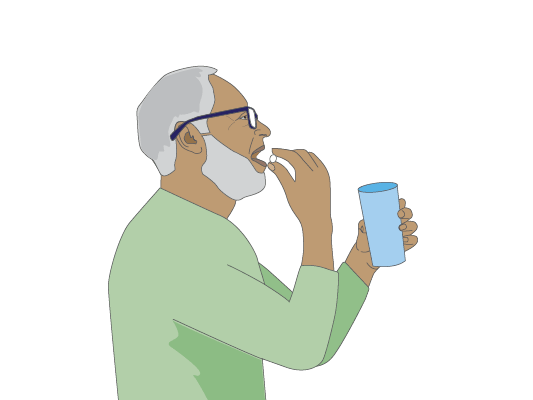
A person swallowing a tablet while holding a cup.

You may also have chemotherapy as tablets that you swallow.

Where you have chemotherapy
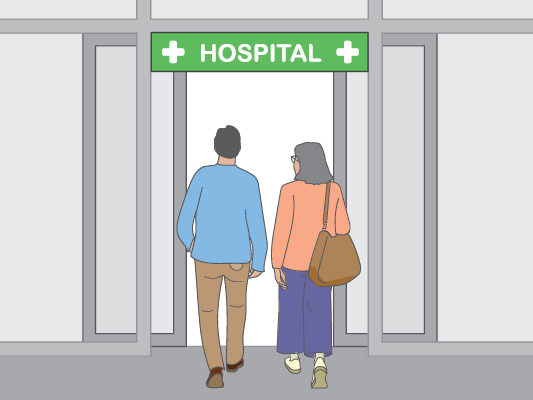
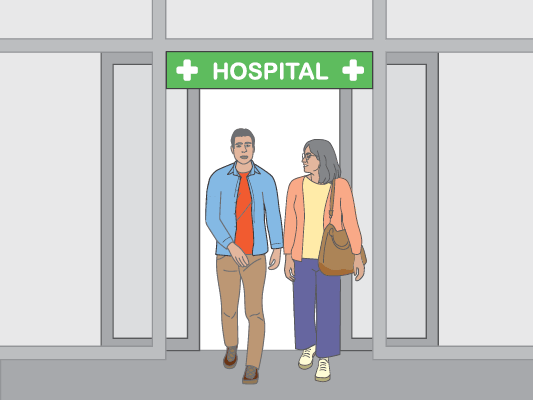
Two people walking through the entrance of a hospital.

You usually go to the hospital or treatment centre for chemotherapy.
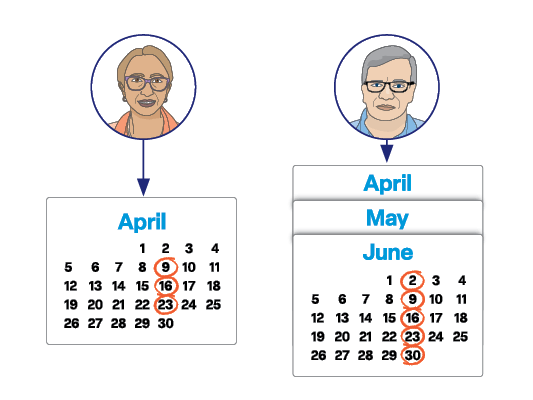
Two calendar pages beneath portraits of two people, with several dates circled.

You may have treatment for a few weeks or a few months. This will depend on the chemotherapy medicines you are having.
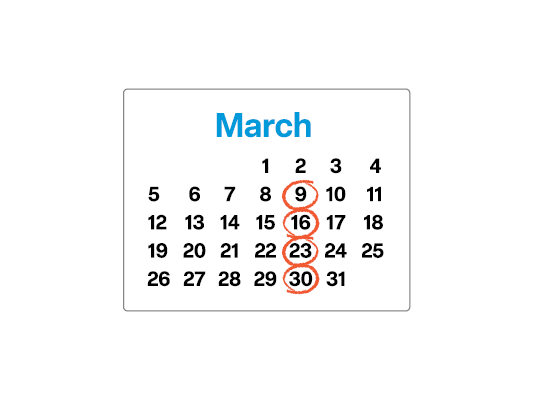
A monthly calendar with four dates circled.

Your medical oncologist will tell you how many times you will have chemotherapy.

What happens during chemotherapy?
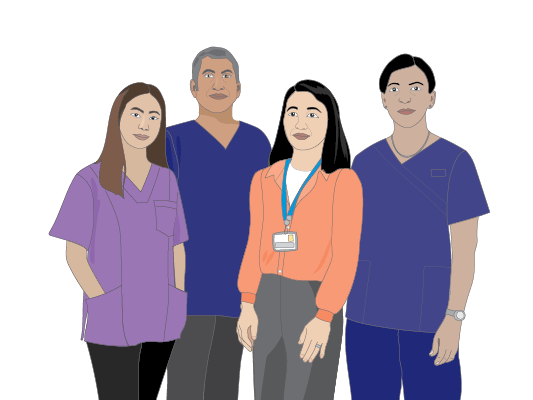
Four health professionals standing together and wearing work uniforms.

Different health professionals will look after you.
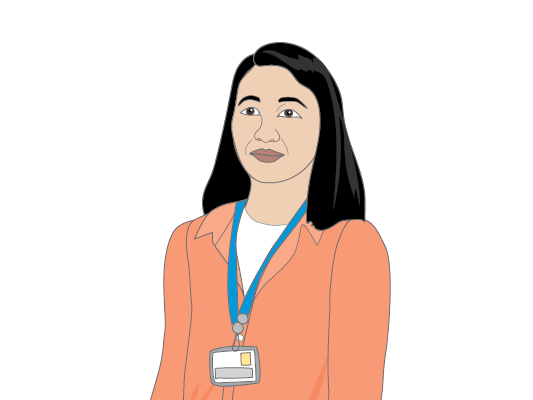
A person in an orange top wearing a lanyard and identification card.

A doctor called a medical oncologist plans the chemotherapy.
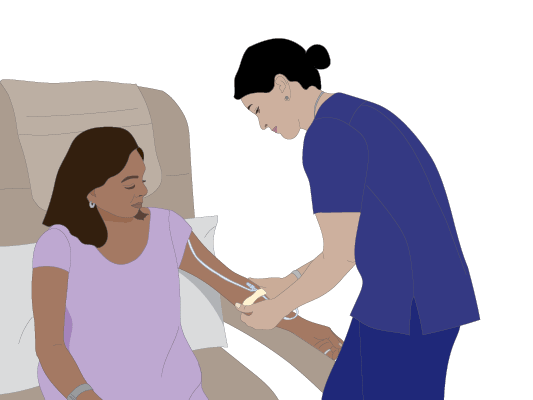
A nurse connecting an intravenous line to a person seated in a treatment chair.

A chemotherapy nurse will give you the chemotherapy medicines.
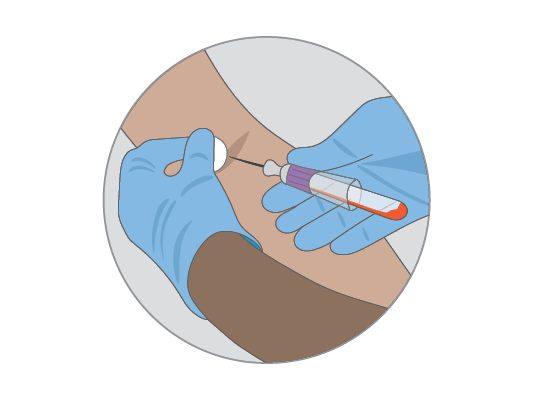
Gloved hands drawing blood from a person's arm with a needle and collection tube.

You will have a blood test before you start chemotherapy. They take blood using a small needle.
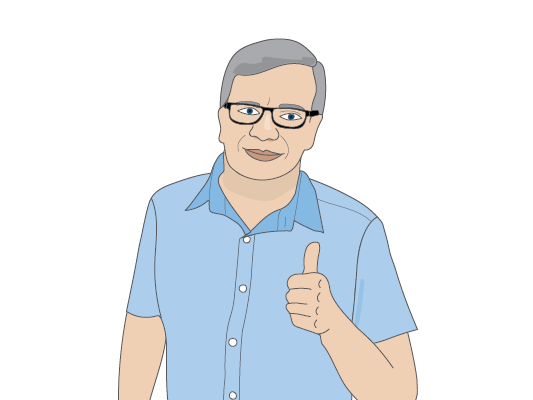
A person wearing glasses and a blue shirt, holding one thumb up.

Having a blood test and having chemotherapy will not hurt.
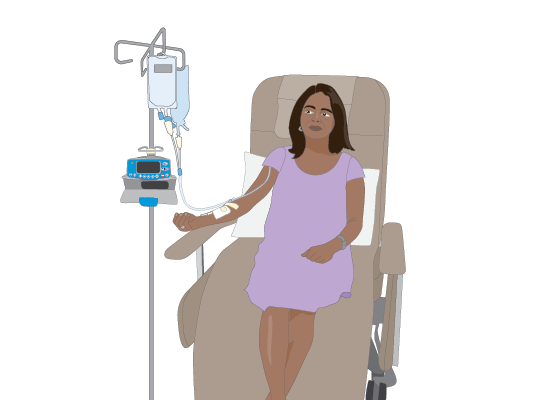
A woman in a purple dress is sitting in a comfortable chair with an IV drip attached to her arm.

You sit in a comfortable chair and wear your own clothes.
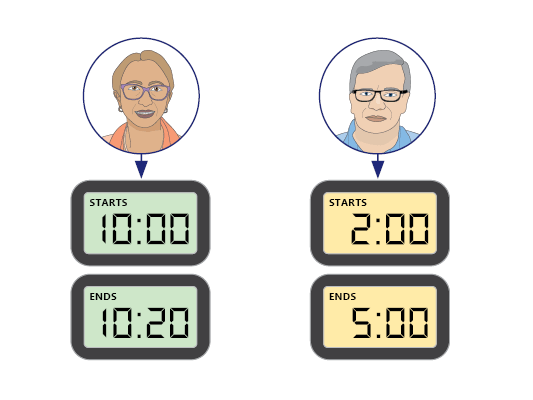
Two sets of digital clocks beneath portraits of two people, showing treatment start and end times of 10am to 10:20am and 2pm to 5pm.

It can take a few minutes or a few hours to have chemotherapy. It is different for everyone.
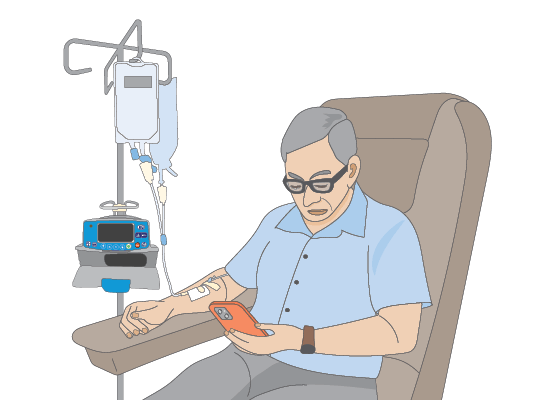
A person seated in a treatment chair beside an intravenous stand, looking at a mobile phone.

Having chemotherapy can be boring. You can listen to music, read or play a game on your phone.
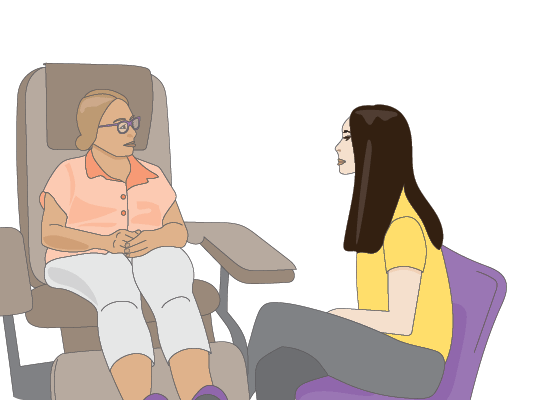
Two women seated facing each other; one woman is in a treatment chair and is wearing a pink shirt; the other woman is seated in a purple chair and has a yellow shirt.

You can bring someone with you.

Two people walking out through the entrance of a hospital.

You can usually go home on the same day.
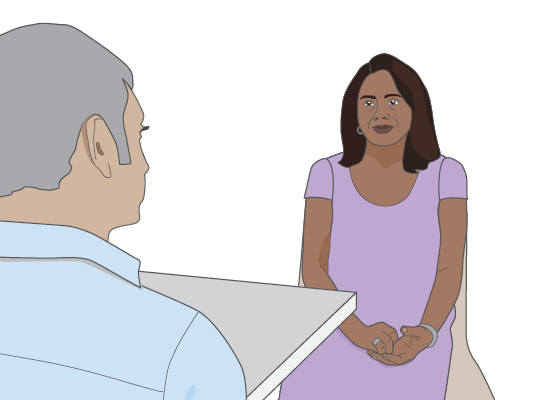
A man in a blue shirt seated at a desk across from a woman in a purple dress with her hand clasped on her lap.

Your doctor will keep checking to see how the treatment is working. Sometimes they might change your treatment.

What are the side effects?
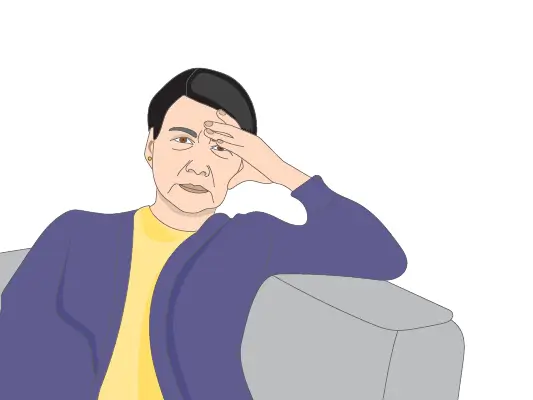
A person seated on a sofa with one hand covering their eyes.

Some people feel sick when they have chemotherapy. We call this a side effect.
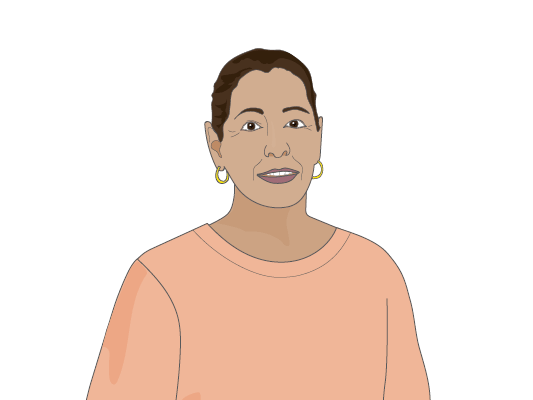
A person wearing a peach-coloured shirt and gold earrings.

Most people do not get all the side effects.
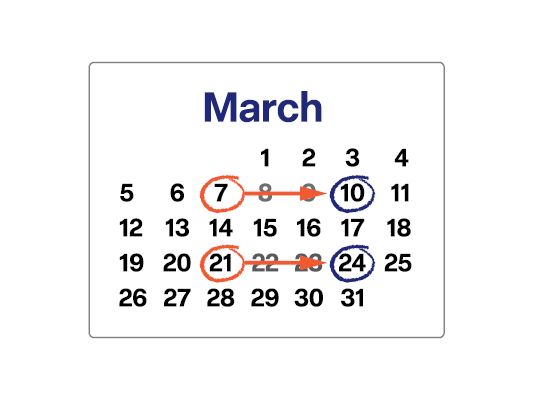
A monthly calendar showing the month of March with several dates circled.

Side effects usually start a few days after you have chemotherapy.
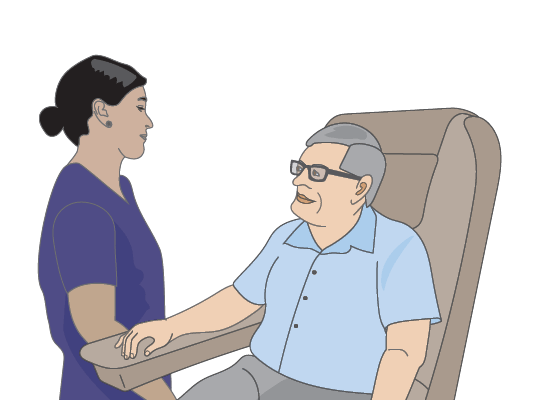
A nurse standing beside a person seated in a treatment chair.

The doctor will talk to you about side effects. They can suggest ways you can feel better.
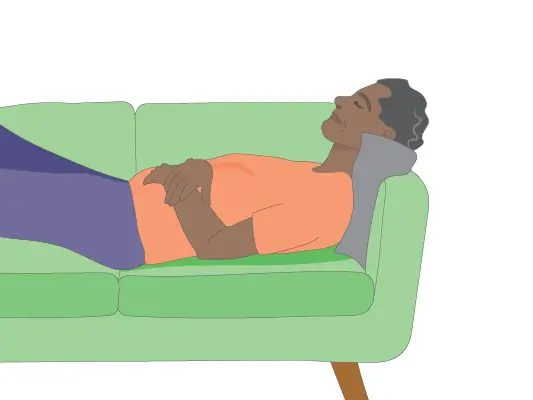
A person lying on a green sofa with their eyes closed and their arms resting on their stomach.

Chemotherapy may make you feel very tired.
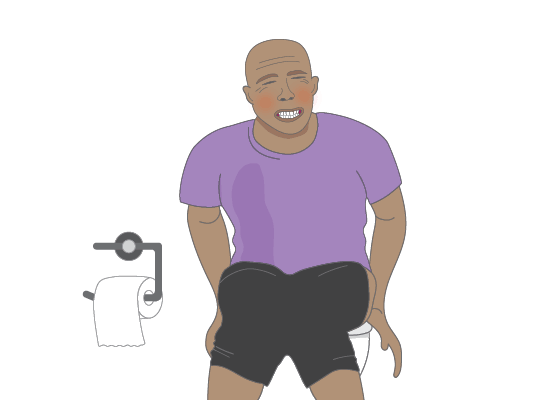
A person with red cheeks and a grimace seated on a toilet, with a toilet paper holder beside them.

Some chemotherapy drugs make it hard to poo. We call this constipation.
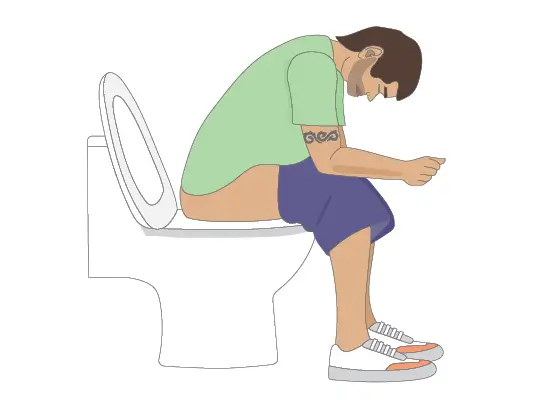
A person seated on a toilet, leaning forward and with their hands on their knees.

You may have runny poo. We call this diarrhoea.
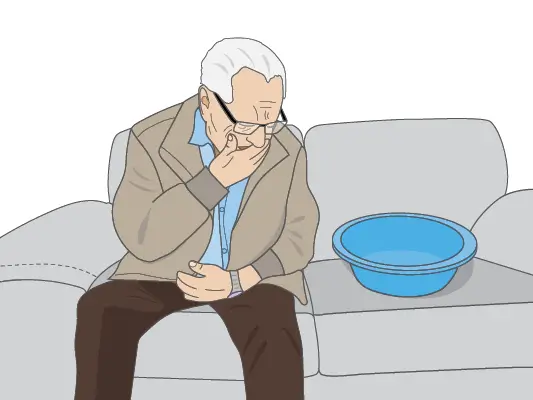
A person seated on a sofa, holding a hand near their mouth, with a blue bowl beside them.

Chemotherapy might make you feel like vomiting. We call this nausea.
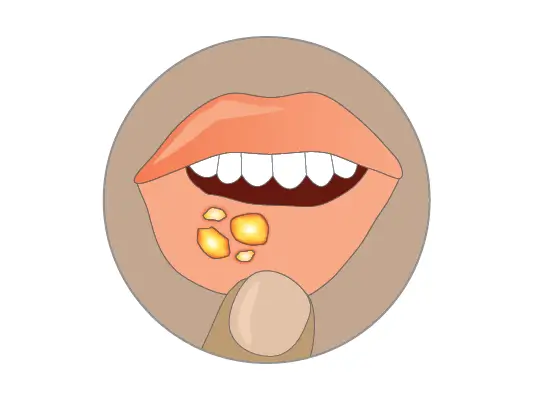
An open mouth with three yellow sores on the inside of the lower lip.

You might get sores in your mouth.

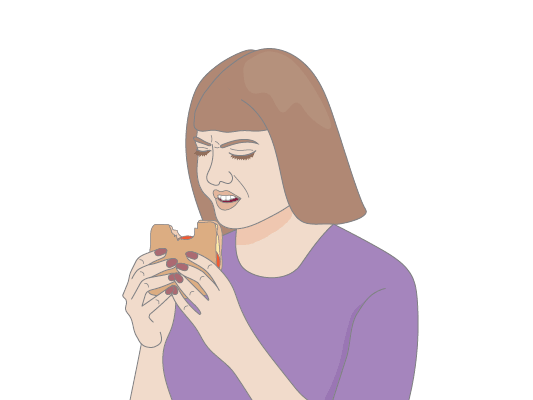
A frowning woman is holding a sandwich with one bite out of it.

Food may taste different. You may not enjoy eating as much.
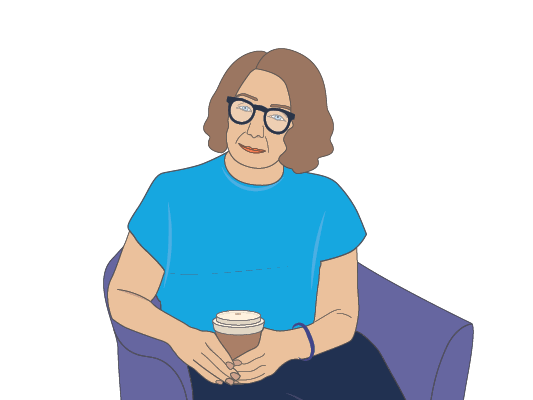
A woman in a blue shirt is sitting on a chair and holding a cup.

Some chemotherapy medicines do not change your hair very much.
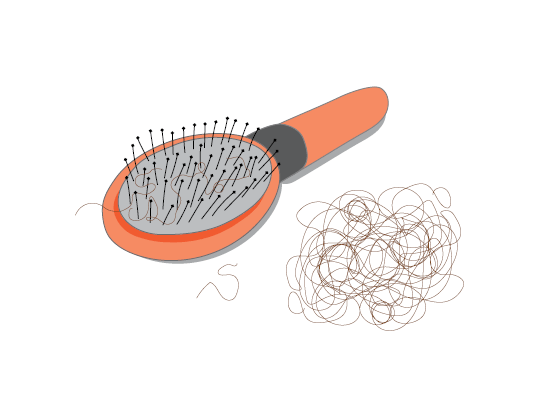
A hairbrush containing loose hair beside a clump of hair.

Some chemotherapy medicines make your hair fall out.
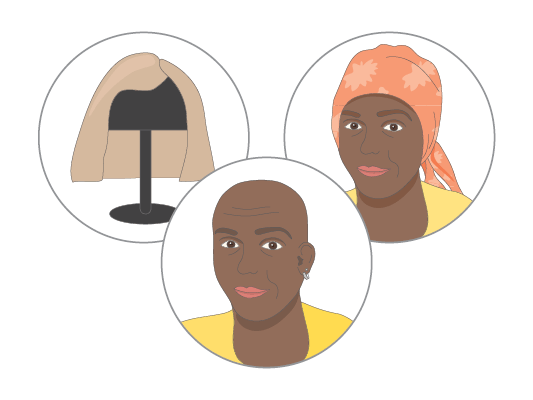
A set of three images; a wig on a stand, a woman with a head scarf; and a woman with a bald head.

If your hair falls out, you can:

  • wear a wig
  • wear a headscarf
  • leave your head uncovered.
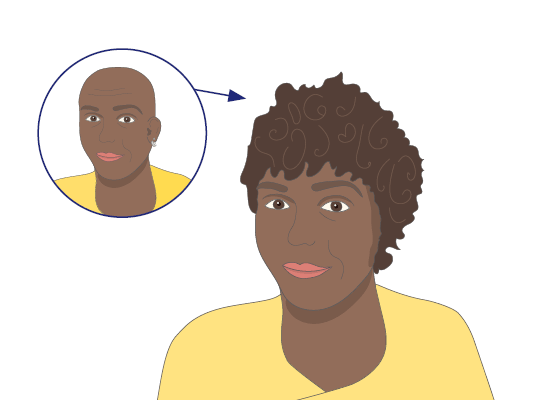
Small inset image of woman with a bald head and larger image of woman with curly brown hair.

Your hair will grow back when you stop chemotherapy.
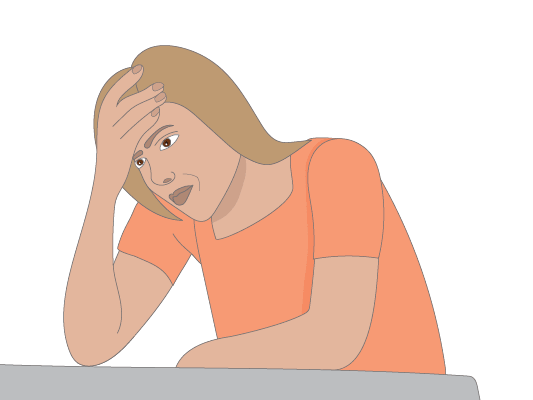
A person in an orange t-shirt seated at a table with one hand resting on their forehead.

You may find it hard to focus and remember things.

We call this chemo brain or brain fog.
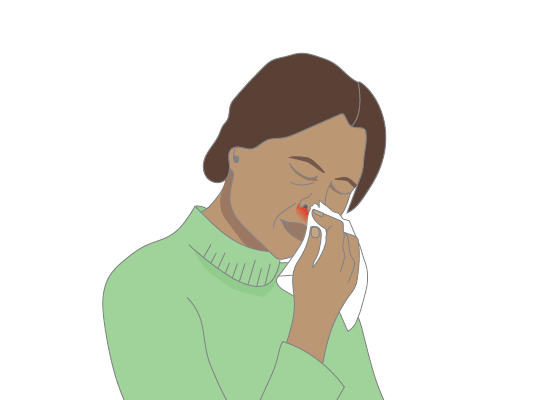
A person holding a tissue to their nose.

Chemotherapy may make it more likely to get a cold or flu.
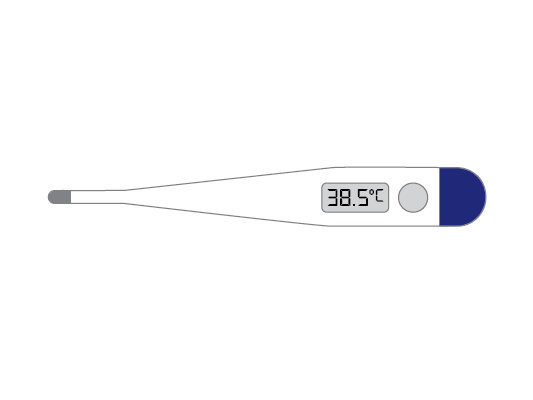
A digital thermometer displaying 38.5 degrees Celsius.

If your temperature goes over 38°C, you have a fever.
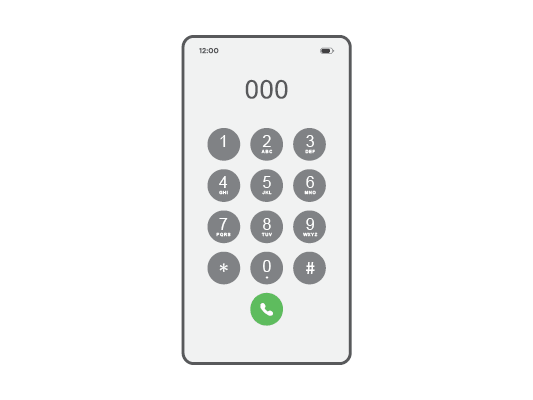
A mobile phone keypad displaying 000.

If you have a fever, call your cancer treatment team.

If you feel very unwell, call 000 for an ambulance.

The ambulance will take you to hospital.

Coping with side effects
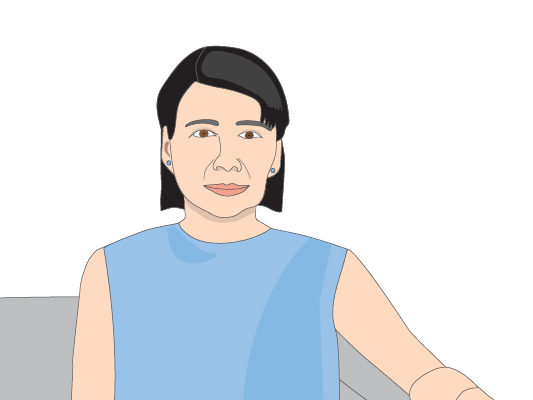
A person wearing a blue sleeveless shirt seated on a couch.

It might take a few weeks or months for side effects to stop.
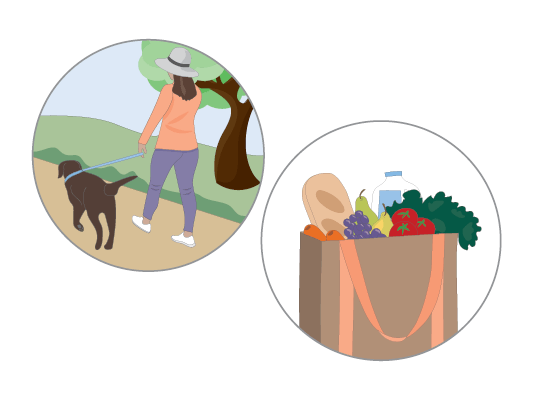
Two images: a woman walking her dog and a grocery bag filled with food.

Exercise and eating healthy food can help you feel better.
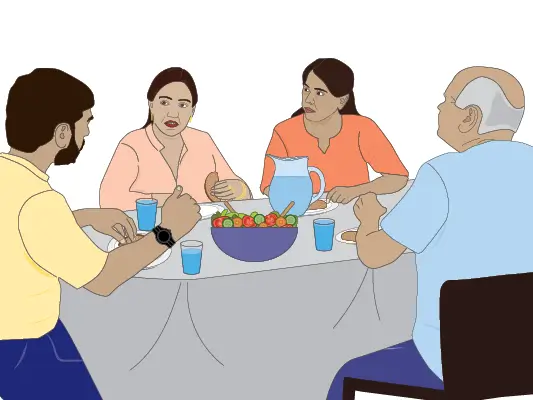
A group of four people are sitting around a table, the table is set with a jug, cups, plates and a bowl of salad.

You might worry about cancer and side effects.

You can talk to:

  • a doctor
  • your family or friends
  • a counsellor.

For family, friends and carers
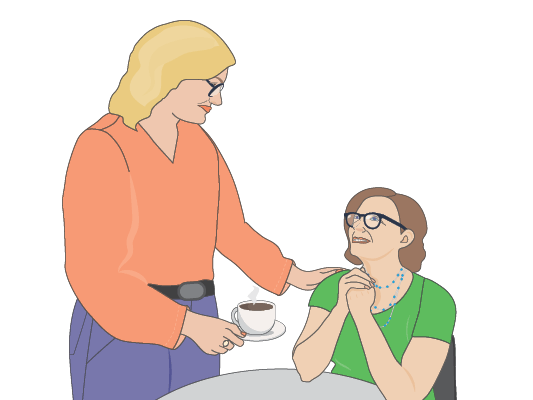
a woman brings another woman a cup of tea

Family and friends can help people with cancer in different ways.
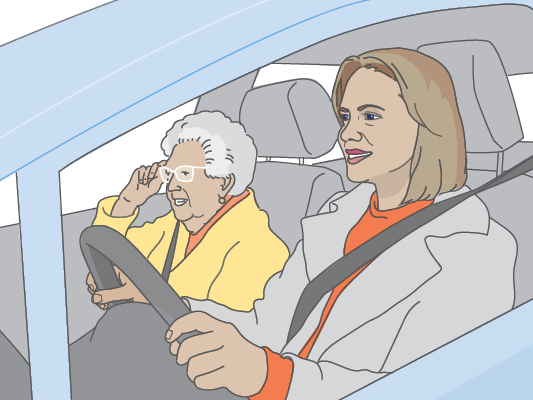
Two people seated in a car.

You can:

  • help with daily tasks
  • go to appointments
  • listen and offer support.
a smiling telephone support person

You can ask for help too. Call Cancer Connect on 13 11 20 to find out about help for carers.

Call Cancer Connect

You can speak to us on the phone. We can help you find free cancer information and support. Call 13 11 20 Monday to Friday.