

Prostate Cancer Foundation of Australia
Services offered
Cancer information
Support from cancer nurses
Emotional support
+2
Side effects of prostate cancer treatment vary from person to person. They may include erection problems, urinary problems, reduced interest in sex (low libido) and infertility. There are many ways to reduce or manage side effects. Your health care team can help with information and support.
It will take some time to recover from the physical and emotional changes caused by treatment for prostate cancer. Treatment side effects can vary – some people experience many side effects, while others have few. Side effects may last from a few weeks to a few months or, in some cases, years or permanently. Fortunately, there are many ways to reduce or manage side effects.
You may have trouble getting or keeping an erection firm enough for intercourse (vaginal or anal) or other sexual activity after any treatment for prostate cancer. This is called erectile dysfunction or impotence.
The prostate is close to nerves, muscles and blood vessels that help control erections. These can be damaged during treatment. If the nerves are removed during surgery, erection problems happen immediately. After radiation therapy and ADT, problems may begin slowly.
The quality of your erections usually improves over time and can continue to improve for up to 3 years after treatment has finished. However, sometimes erection problems may be permanent.
Aside from cancer treatment, erection problems become more common with age. Erections can also be affected by diabetes and heart disease; some medicines for blood pressure or depression; surgery to the bowel or abdomen; smoking or heavy drinking; or emotional concerns.
Before and after treatment, you can help keep your penis healthy (penile rehabilitation) in various ways.
These may include:
See below for more ways to improve erections. Even without a full erection, you can still reach orgasm by stimulating the penis. For tips on managing changes to your sex life, see below.
Erection problems are common after prostate surgery or radiation therapy to the pelvic area – especially when combined with ADT. These problems usually start 6–18 months after treatment and may gradually get worse over time. Not having regular erections can lead to penile shortening.
There are several options for trying to improve the quality of your erections. Ask your treatment team for more information about the options shown here, or other ways to get erections firm enough for penetration.
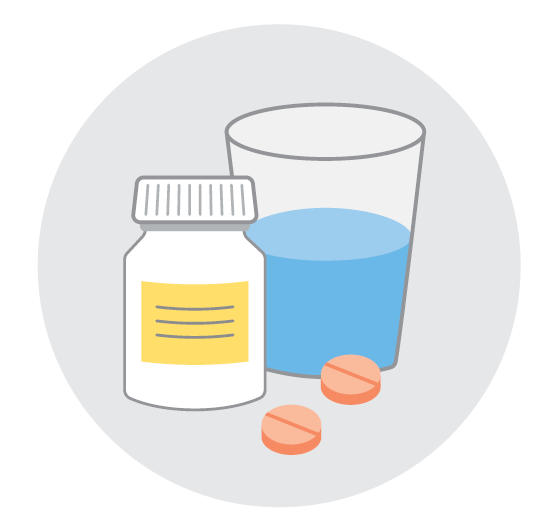
Medicines that increase blood flow to the penis can help, but only if the nerves controlling erections are still working. Your doctor may suggest taking the tablets before and soon after surgery, as the increased blood flow can help preserve penis health while the nerves recover. You may be able to take tablets after radiation therapy and ADT, but they are less effective used with ADT long-term. These tablets can’t be taken with some blood pressure medicines. Ask your doctor whether this applies to you.
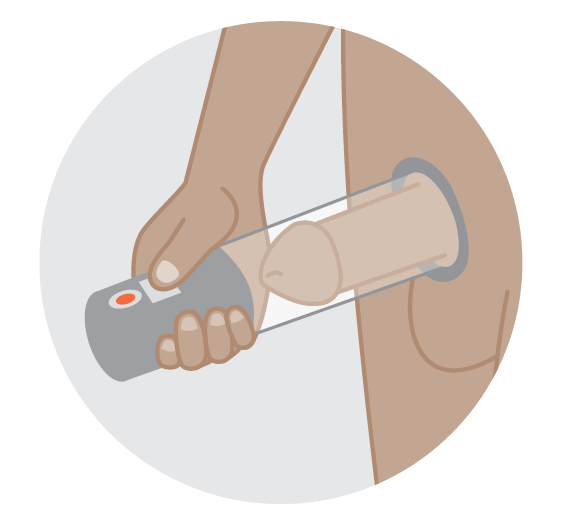
A VED or “penis pump” increases blood flow to help you get or keep a natural erection. You place a clear, rigid tube over the penis. A battery-operated or manual pump creates a vacuum that causes blood to flow into the penis, so it gets hard. You put a rubber ring at the base of the penis to keep the erection firm after you remove the pump. The ring can be worn comfortably for up to 30 minutes. Talk to your doctor or specialist nurse about which VED is right for you, and where you can buy one.
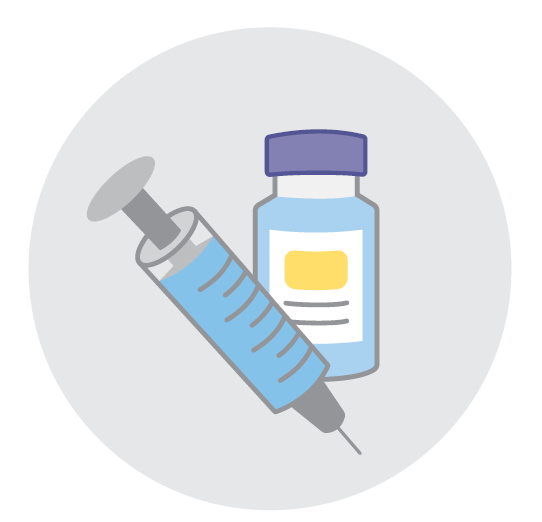
Injecting medicine into the penis makes its blood vessels expand and fill with blood. This causes an erection. It usually starts in 15 minutes and lasts for 30–60 minutes. The medicine must be prescribed by a doctor, nurse practitioner or erectile dysfunction specialist service. It comes in a syringe you use once, or in small bottles (vials) from a compounding pharmacy, where you measure the dose into a syringe. You will need to learn how to give the injection. This may sound painful, but the discomfort only lasts for a moment. PIT works well for many people, but it can sometimes cause pain and scarring. One side effect that can happen is a painful erection that won’t go down (priapism). This needs emergency medical attention.
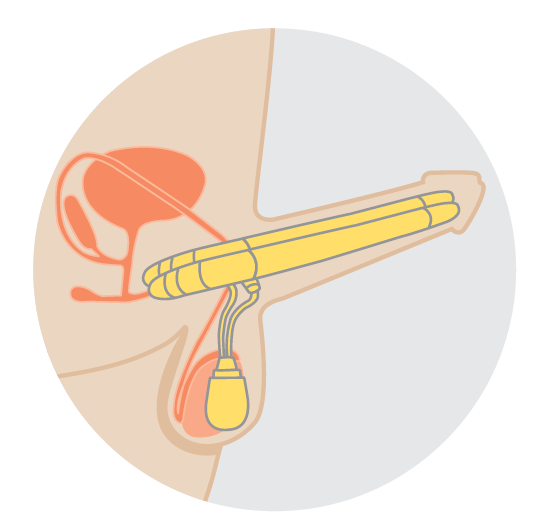
A penile prosthesis is a permanent implant that helps you get an erection. During surgery, flexible rods or thin, inflatable cylinders are placed inside the penis. These are connected to a small pump in the scrotum. You squeeze the pump to get an erection. Implants may be an option when tablets or injections haven’t worked after 12 months of trying. A rare side effect of penile implants is infection. If this happens, the implant must be removed. This means you will no longer be able to have an erection.
You may see ads for herbal or natural therapies, nasal sprays and lozenges to treat erection problems. Talk to your doctor before using them as some could be harmful. Products with testosterone, or that act like testosterone in the body, may make some cancers grow.
Trouble controlling the flow of urine (urinary incontinence) is a common side effect of some treatments for prostate cancer.
After prostate surgery, issues with urinary incontinence are common for several weeks or months and usually improve slowly over time. Most people will need to use incontinence pads in the first few weeks after surgery. Only a small number of people will need to use incontinence pads long term.
You may find that you:
Urinary problems caused by radiation therapy are usually temporary and tend to improve within a few months of finishing treatment.
In some cases, radiation therapy can:
You may also find that you need to pass urine more often or in a hurry, or that you have difficulty passing urine. Sometimes, medicines or surgery can improve urine flow – ask your doctor if this is an option for you.
Changes may affect your sex life, feelings of pleasure and intimacy.
Reduced interest in sex (low libido) is common during cancer treatment. While anxiety and fatigue can affect libido, it can also be affected by ADT (which lowers testosterone levels) and by the sexual side effects associated with radiation therapy or surgery. Sex drive usually returns when treatment ends, but sometimes changes in libido are ongoing.
Depending on whether the prostate is removed, or radiation or hormone treatment damages the prostate, you may no longer feel pleasure from the prostate being stimulated. Consider other ways to feel pleasure, such as stimulating the penis or the area around the anus.
After surgery, you will feel the muscular spasms and pleasure of an orgasm, but you won’t ejaculate semen. This is called a dry orgasm. It happens because the prostate and seminal vesicles that produce semen are removed during surgery, and the tubes from the testicles (vas deferens) are sealed. Radiation therapy may also affect how much sperm you make, but this is often temporary.
A radical prostatectomy can weaken the sphincter muscle that controls the flow of urine. This may cause a little urine to leak during intercourse and orgasm. You may find this embarrassing, but it won’t harm your partner. Before sex, empty your bladder. Try sex in the shower, or use a condom or a constriction ring (available from sex shops) at the base of the penis to prevent leakage. Talk to your doctor if you are concerned.
Prostate cancer can affect your sex life physically and emotionally. How much will depend on factors such as the cancer treatment and its side effects, your general health, how you and your partner/s communicate, and your self-confidence. It takes time to adjust to changes in your sex drive, your self-esteem and relationships.
Deciding when to tell a potential sexual partner about your cancer experience isn’t easy, and you may even avoid dating or sex. It can be helpful to wait until you and your new partner have developed a mutual level of trust and caring. You might prefer to talk with a new partner about your concerns before becoming sexually intimate. By communicating openly, you avoid misunderstandings and may find that your partner is more accepting and supportive.
See Sex, intimacy and cancer and LGBTIQA+ people and cancer, or listen to Cancer Council's podcast episode Sex and Cancer.
Infertility is common after surgery, radiation therapy or ADT for prostate cancer. This means you can no longer have children naturally. If you may want to have children in the future, you (and a partner if you have one) should talk to your doctor about the options before treatment starts. You may be able to store some sperm at a fertility clinic to use when you are ready to start a family.
Radiation therapy may affect sperm quality for 6–12 months after treatment and cause birth defects. You will need to use contraception or not have sexual intercourse to avoid conceiving during this time.
Treatment for prostate cancer may lead to a range of other concerns, but most of these can be managed.
Cancer treatment often makes people very tired. After surgery, it may take some time to get your strength back. With external beam radiation therapy, you may get particularly tired near the end of treatment and for some weeks or months afterwards. Regular exercise can help reduce tiredness.
It is common to have a stronger sensation of needing to have a bowel movement (see also Radiation therapy). You may also experience rectal bleeding after treatment but this is not common. A gastroenterologist or colorectal surgeon may treat ongoing bowel problems with changes to your diet, steroid suppositories (a tablet that you insert into the rectum through the anus), laser therapy or other treatments applied to the bowel wall. For more information, talk to your radiation oncologist or a continence nurse.
You may experience hot flushes if you are having ADT. Things that may help include drinking less alcohol, avoiding hot drinks, wearing loose-fitting cotton clothing, getting regular exercise, learning relaxation techniques, and trying acupuncture. For more information, talk to your doctor.
Loss of bone density can be a delayed side effect of ADT, so your specialist or GP may need to monitor your bone mineral density. Regular weight-bearing exercise (e.g. brisk walking, light weights or a guided exercise program), eating calcium-rich foods (e.g. yoghurt, milk, tofu, green vegetables), getting enough vitamin D, limiting how much alcohol you drink, and not smoking will also help keep your bones strong. For more information, call Healthy Bones Australia on 1800 242 141.
Because ADT can increase the risk of heart problems and stroke, your doctor will monitor how well your heart is working.
You may find a decrease in muscle mass the longer you are on ADT. So staying as fit and active as you can may help. Clinical trials are looking at how strength and resistance training (used with supplements) may preserve muscle mass for people with prostate cancer.
Weight gain, mood swings, breast swelling, body changes and high cholesterol are more likely to happen the longer you use ADT.
Regular exercise can help manage the side effects of ADT. It improves mood, heart health, bone and muscle strength, and energy levels.
Whatever your age or fitness level, a physiotherapist or exercise physiologist can develop an exercise program to meet your specific needs. Ask your doctor for a referral. Exercise for people living with cancer includes examples of different cardio and aerobic exercise, strength and resistance training and flexibility exercises.
ADT can lead to weight gain and increase the risk of high cholesterol. Aim to eat a balanced diet with a variety of fruit, vegetables, wholegrains and protein-rich foods. It may help to see a dietitian.
If you have ongoing side effects after cancer treatment, talk to your GP about developing a GP chronic condition management plan to help you manage them. This means you may be eligible for a Medicare rebate for up to 5 visits each calendar year to allied health professionals.
Prostate Cancer Foundation of Australia
Services offered
Find the right services for your needs, wherever you are in Australia
Trusted cancer information for all people affected by cancer
We're available 9am - 5pm, Monday to Friday (excluding public holidays)