
Overview
If you have had cancer, you have a higher risk of cardiovascular disease. This means you might have problems with your heart or blood vessels.
If you had heart problems before you developed cancer, some cancer treatments may not be safe or you may need to have a smaller treatment dose.
Cancer and heart disease have some of the same risk factors, such as smoking, diabetes and drinking too much alcohol. Learn more about the heart, and which cancer treatments can affect the heart, below.
What's on this page

Cancer and the heart
Advances in cancer diagnosis and treatment mean more people are living longer after cancer treatment. This is good news, but research shows that cancer survivors have a higher risk of cardiovascular disease in the months and years after cancer treatment. Cardiovascular disease includes problems with the heart and blood vessels. It may also be called heart disease.
There are several reasons why heart health is an important part of cancer treatment:
- Cardiovascular disease has the same risk factors as some types of cancer, so you may have a higher risk of developing both diseases.
- If you had cardiovascular problems before cancer (pre-existing disease), some cancer treatments may not be safe or may need to be used at a reduced dose.
- Some cancer treatments can affect the way the cardiovascular system works. This is called cardiotoxicity or cardiovascular toxicity.
- Some cancers (e.g. blood cancers, lung cancers) can increase the risk of blood clots and bleeding.
Heart-related side effects from cancer treatments are common, but serious issues are uncommon. The type of side effect and how common it is, depends on the cancer, its treatment and if you already have cardiovascular disease. These side effects usually go away after treatment, but some can be permanent. It’s important to tell your treatment team about any symptoms as soon as possible.
For most people, cancer treatment can save lives, and the benefits are greater than the risk of heart-related side effects. There are many ways to reduce your risk of heart problems.
The heart and cardiovascular system
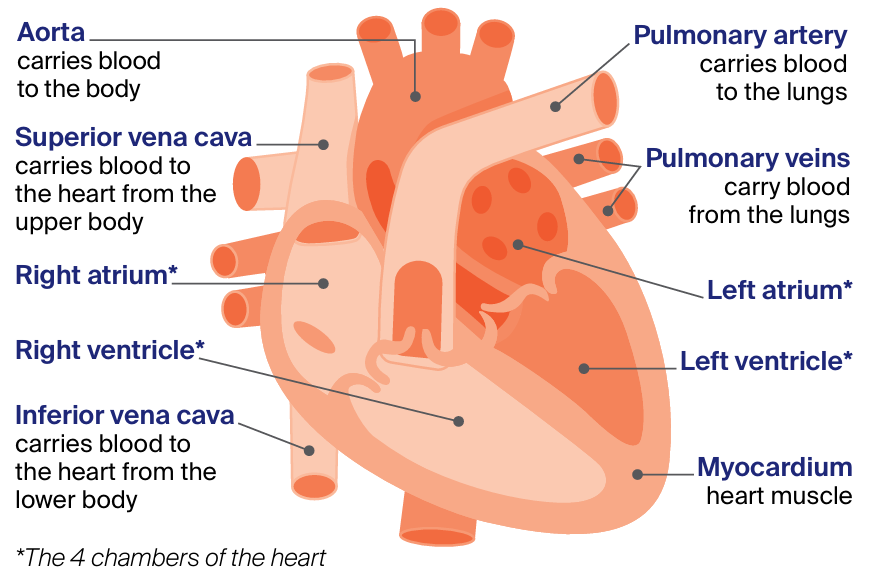
The heart is about the size of a fist. It is made up of muscle, blood vessels, nerves and valves. The heart is the main organ of the cardiovascular system, which also includes a network of blood vessels (arteries and veins) throughout the body. The heart has 4 chambers: the right atrium, the right ventricle, the left atrium and the left ventricle.
The heart pumps blood through the blood vessels to deliver oxygen and nutrients to cells in the body, and take away waste. Electrical signals tell the heart when to beat.
When you are diagnosed with cancer, it’s natural to focus on managing the cancer and preventing it from coming back. During this time, you may pay less attention to other health problems, including your heart health. It’s important, however, to look after your cardiovascular system before, during and after cancer treatment.
What are the shared risk factors for cancer and heart disease?
Cancer and heart disease have some of the same risk factors. These shared risk factors include:
- older age
- your sex
- smoking
- diabetes
- physical inactivity
- drinking too much alcohol
- unhealthy diet
- high blood pressure (called hypertension)
- overweight and obesity
- high cholesterol (a type of fat in the blood)
- other chronic inflammatory conditions (e.g. chronic kidney disease).
Making some changes in your day-to-day life can help to lower the risk of heart-related side effects from cancer treatment. Some changes can also reduce the risk of certain cancers. The Heart Foundation also has information about looking after your heart.
What cancer treatments may affect the heart?
Some types of cancer treatment can affect how the heart and cardiovascular system work. This is called cardiotoxicity or cardiovascular toxicity.
When working out the best treatment for you, your doctors will try to find a therapy that is effective in treating the cancer while causing the least amount of damage to the heart and blood vessels. You may also be advised to do more physical activity and eat a healthy diet.
Cancer treatments that may be cardiotoxic include:
- certain chemotherapy drugs, particularly anthracyclines (e.g. doxorubicin, daunorubicin, epirubicin) and thymidylate synthase inhibitors (e.g. fluorouracil or 5-FU)
- some targeted therapy drugs (e.g. trastuzumab, bevacizumab, ribociclib, cabozantinib)
- some immunotherapy drugs (e.g. pembrolizumab, nivolumab, CAR T-cell therapy)
- radiation therapy to the chest for some types of cancer (e.g. breast, lung cancers or lymphoma).
These treatments can affect cardiovascular health in different ways.
Some treatments don’t directly affect the heart but can still impact cardiovascular health. For example, certain hormone therapies, such as aromatase inhibitors and androgen deprivation therapy, can increase the risk of high blood pressure, high cholesterol and high blood sugars.
What if you already have heart disease?
As cancer and heart disease often share risk factors, some people already have heart problems when they are diagnosed with cancer. In these cases, cancer treatments that are potentially cardiotoxic may not be safe. Your doctor may suggest other treatments.
If you’re taking heart medicine, it’s important to keep taking it until you discuss this with your cancer treatment team, cardiologist or cardio-oncologist. Also, let your cancer treatment team know if you have a pacemaker, so they can consider this when planning treatment.
I had heart issues before being diagnosed with cancer (first primary breast cancer then, 9 years later, primary uterine sarcoma). Before starting chemotherapy for uterine sarcoma, my cardiologist and medical oncologist had a big discussion. They decided the planned chemo protocol would be okay.
Find support services
Find the right services for your needs, wherever you are in Australia
Read cancer information
Trusted cancer information for all people affected by cancer
Need to talk to someone?
We're available 9am - 5pm, Monday to Friday (excluding public holidays)