
Easy Read
Radiation therapy
Radiation therapy uses radiation beams to kill cancer. It is also called ‘radiotherapy’.
This information will help you understand what happens during radiation therapy and what side effects you may have.
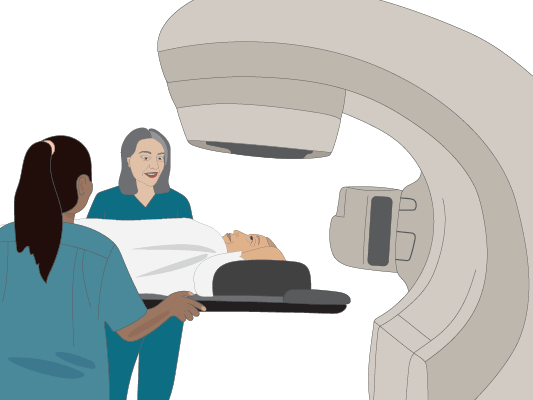
What is radiation therapy?
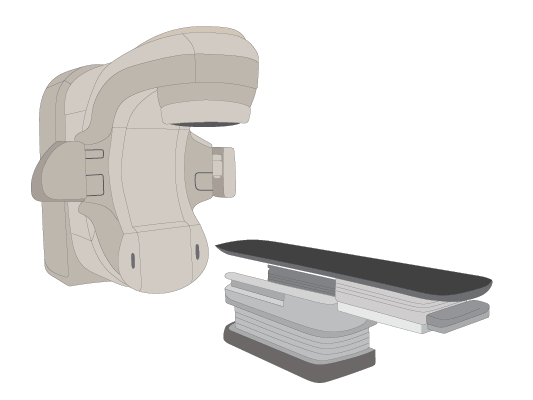
This information is about radiation therapy.
Radiation therapy is treatment for cancer.
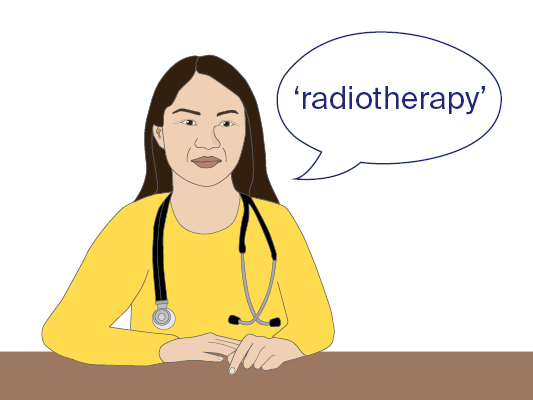
Radiation therapy is also called ‘radiotherapy’.
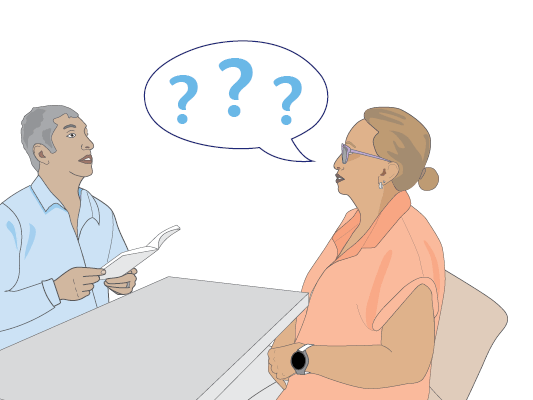
Having radiation therapy can feel scary.
You can ask your doctors questions about anything you do not understand.
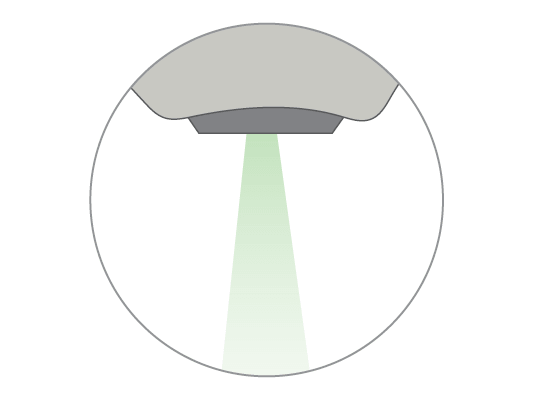
Radiation therapy uses radiation beams to kill cancer.
You cannot see the radiation beams.
How you have radiation therapy
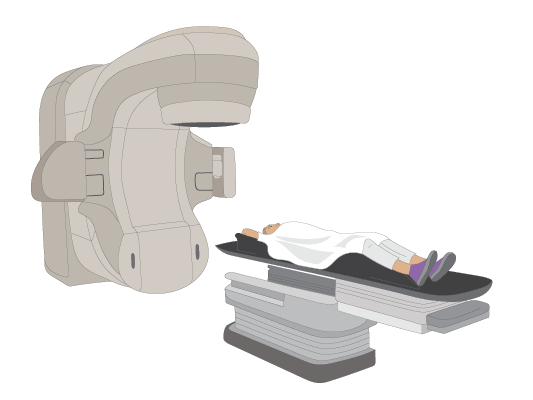
The main way to have radiation therapy is from a big machine.
This is called external beam radiation therapy.
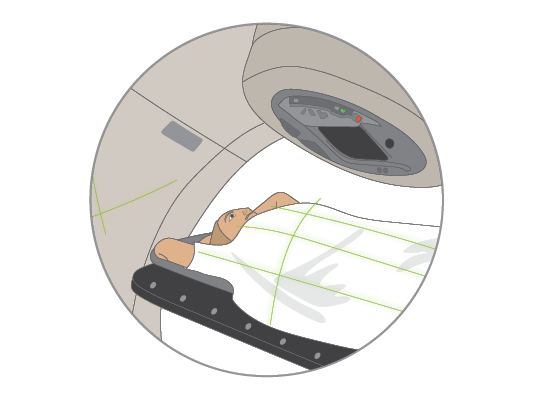
The machine sends radiation beams to the part of the body where cancer was found.
Radiation therapy does not make you radioactive.
Where you have radiation therapy
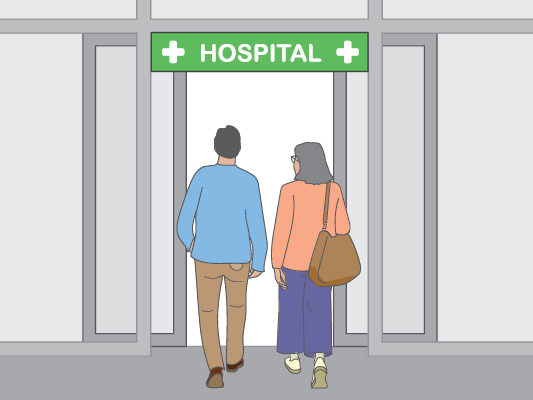
You have radiation therapy in a hospital or treatment centre.
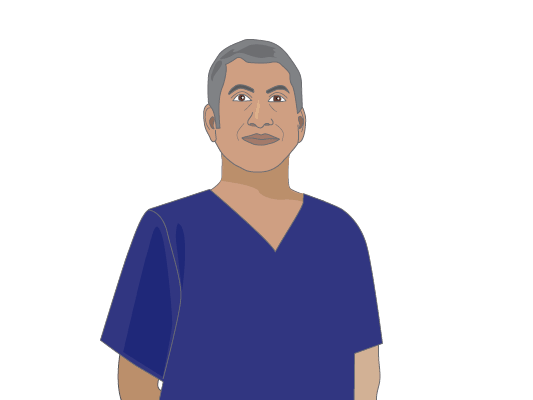
A doctor called a radiation oncologist will plan the radiation therapy.
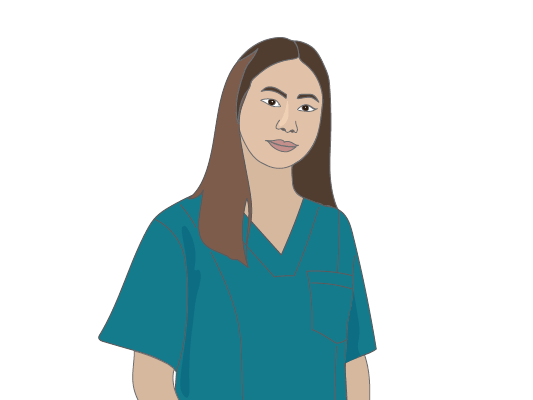
Radiation therapists will give you the treatment.
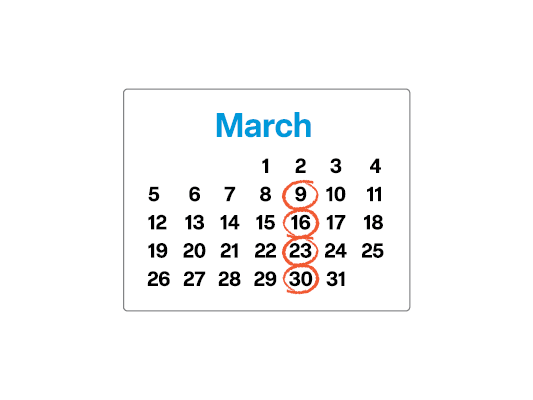
Your radiation oncologist will tell you how many times you will have radiation therapy.
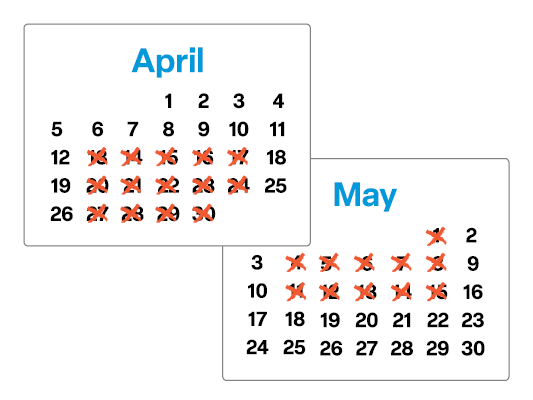
This may be Monday to Friday for several weeks.
Before radiation therapy starts
Before you start radiation therapy you go to the hospital to have planning scans. This is called simulation.
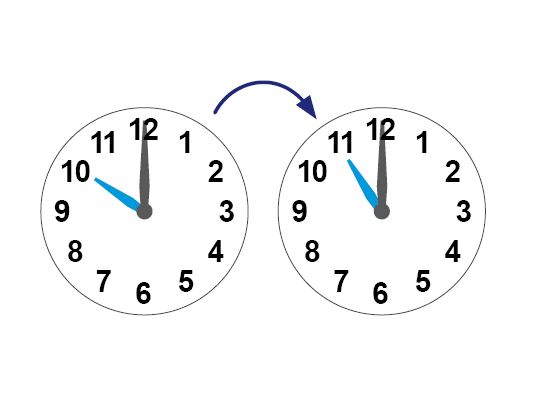
The simulation takes about 30 minutes to 1 hour.
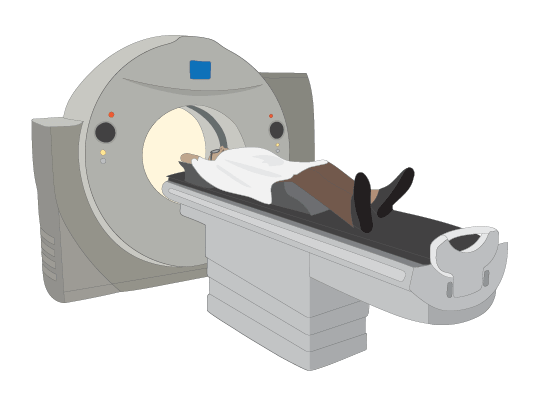
You will have a CT scan.
Sometimes other scans may also be done.
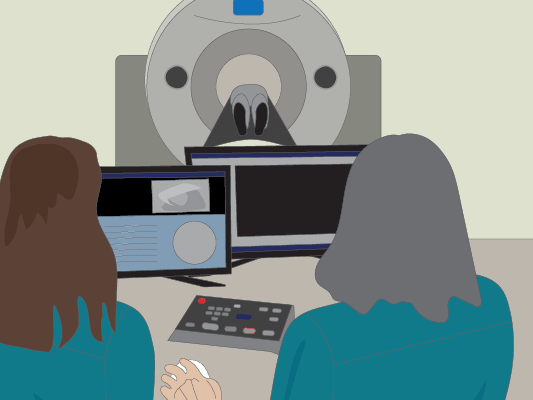
The CT scan helps plan where on your body you will have radiation therapy.
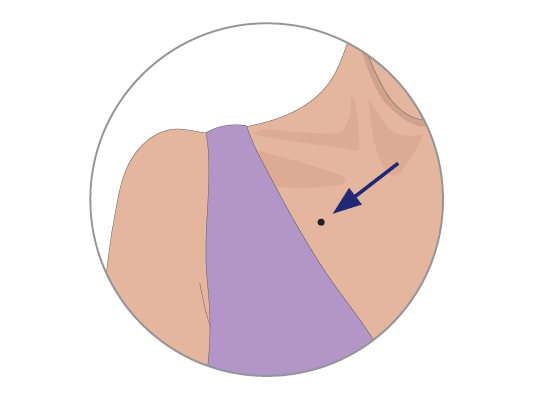
You might have some tiny marks put on your skin to make sure you have radiation therapy in the same place every time.
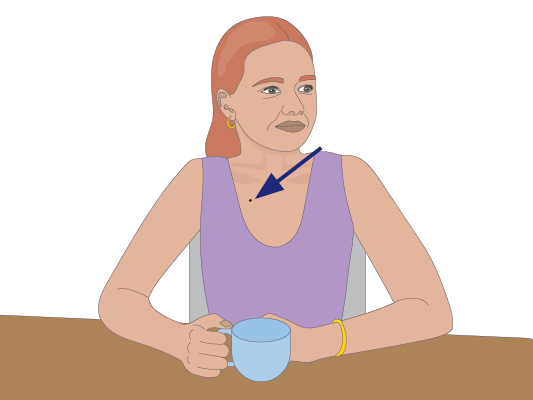
The marks are usually permanent. This means that they will stay on your skin forever.
Having radiation therapy
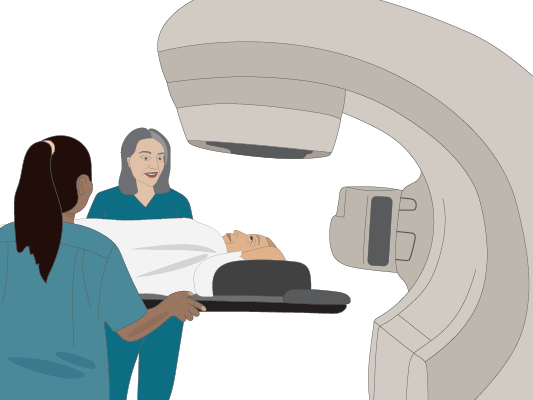
You will lie on a bed under the radiation therapy machine. The radiation therapists help you get into the right position.
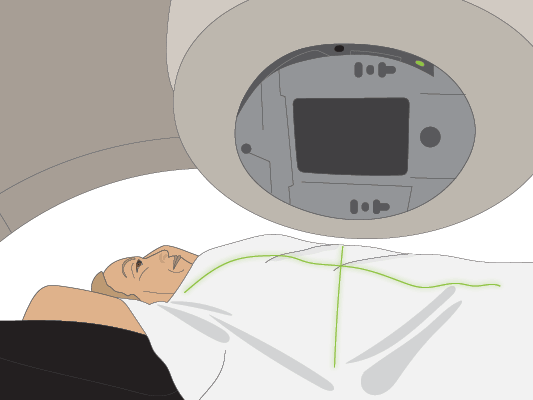
You will need to keep still while having radiation therapy.
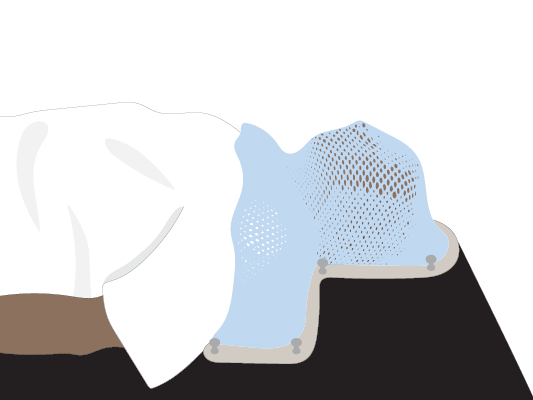
People who need radiation therapy to the head or neck have to wear a special mask. This keeps the head still.
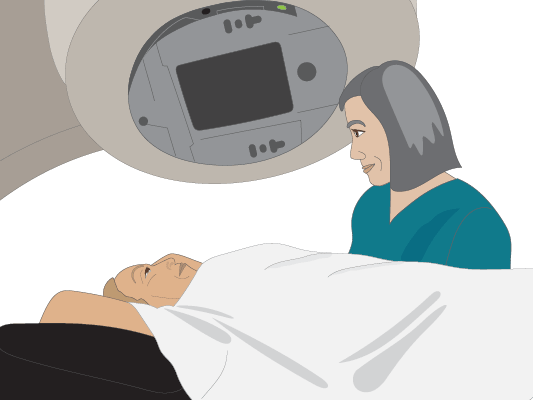
Radiation therapy does not hurt.
You will not see or feel the radiation beams.
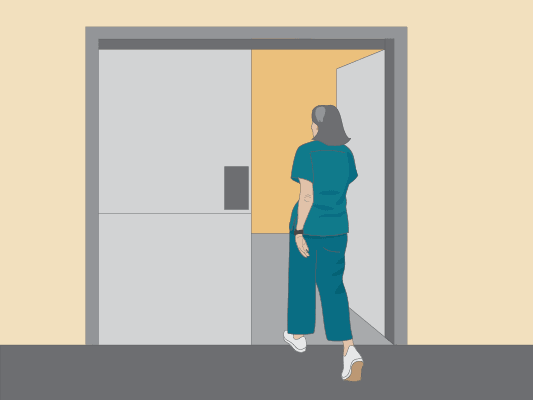
The radiation therapists will leave the room before they start the machine.
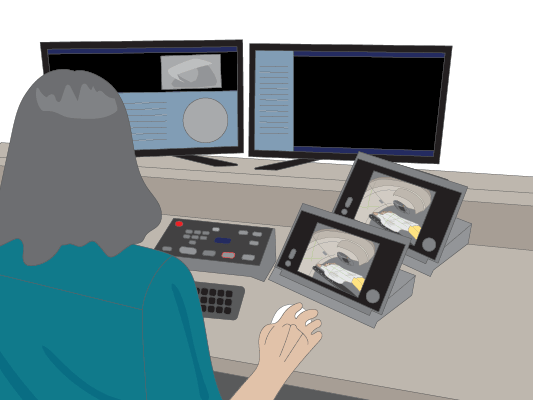
The radiation therapists can see and hear you on a computer screen.
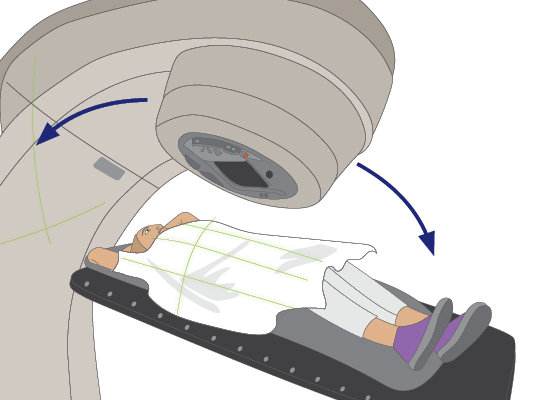
The radiation therapy machine moves around you. The machine makes loud noises.
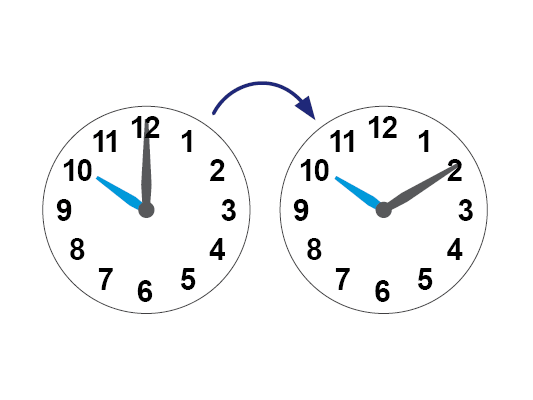
You stay under the radiation therapy machine for only 5 to 10 minutes.
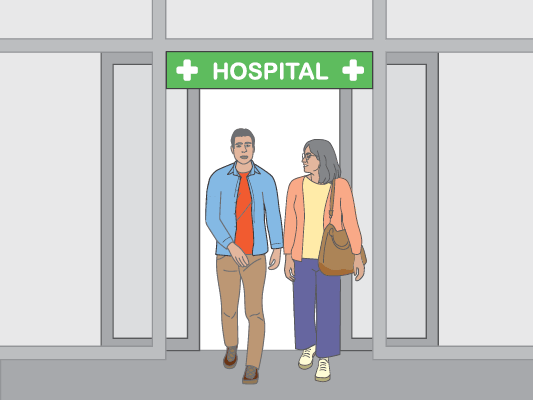
You can go home the same day. You do not stay in hospital overnight.
What are the side effects?
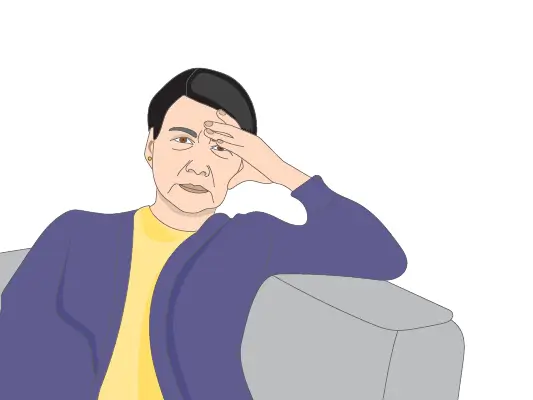
Some people feel sick after they have radiation therapy. We call this a side effect.
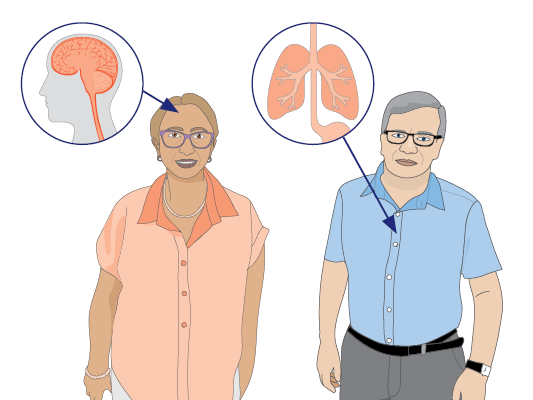
The side effects will depend on the part of your body treated with radiation therapy.
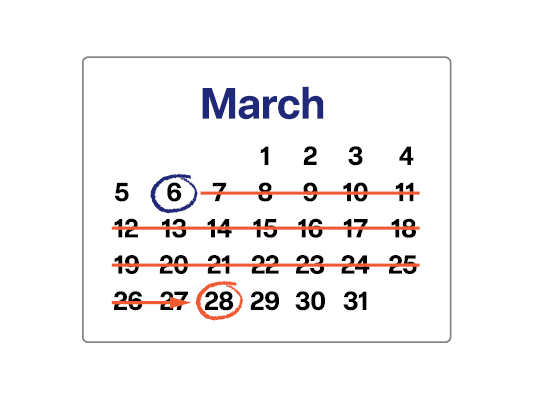
Side effects usually start 2 to 3 weeks after radiation therapy starts.
Most people do not get all the side effects.
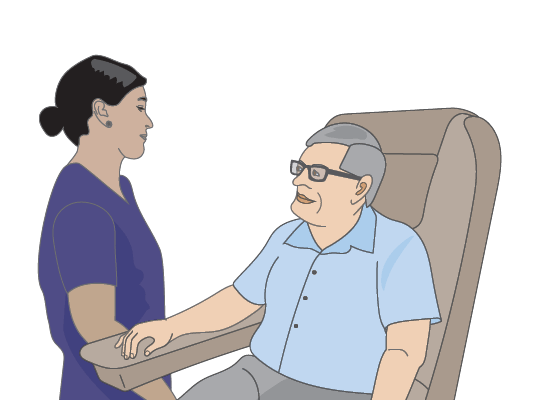
The doctor or nurse will tell you what side effects may happen and how to feel better.
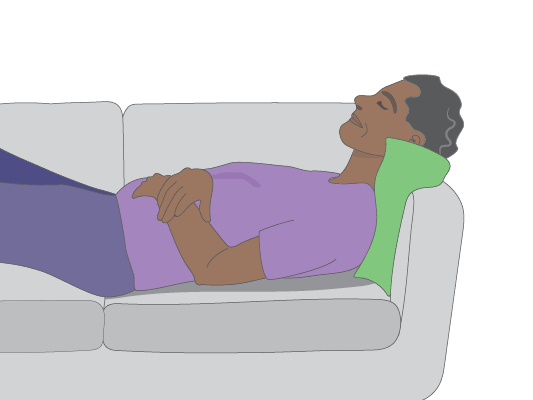
Radiation therapy may make you feel very tired.
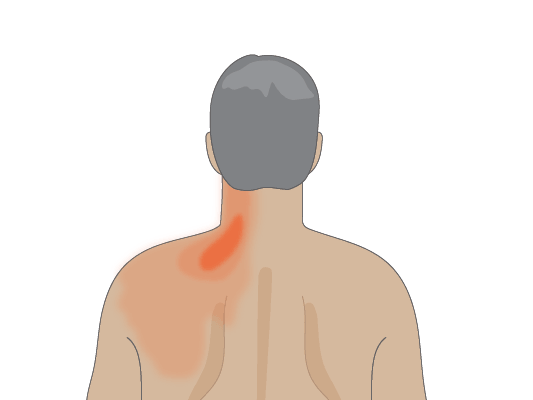
The skin where you had treatment might get red.
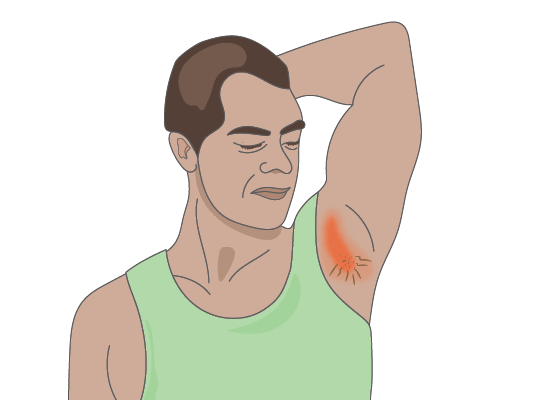
Hair may fall out in the area where you get radiation therapy. This may be your armpit, chest or head.
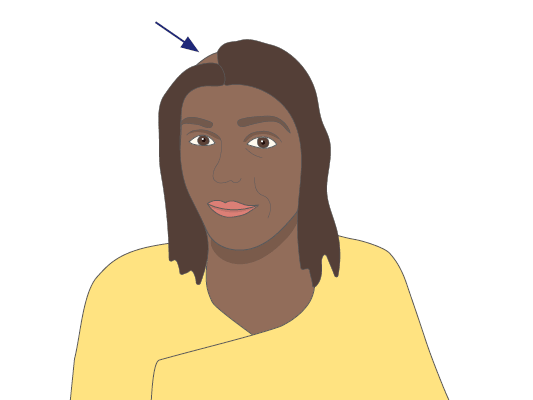
Radiation therapy to the head may cause a small patch of hair to fall out.
This usually grows back when the radiation therapy ends.
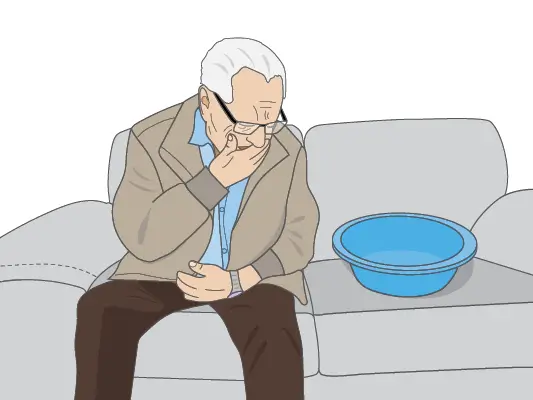
Radiation therapy might make you feel like vomiting. We call this nausea.
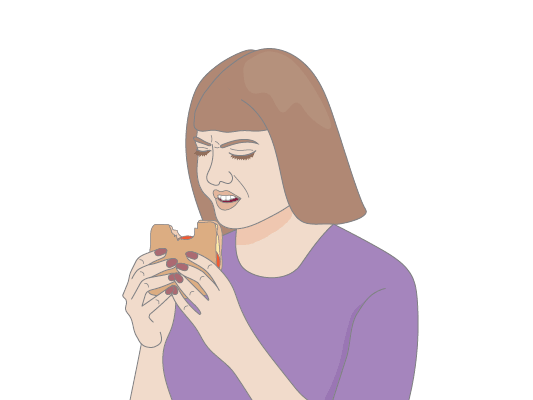
Food may taste different. You may not enjoy eating as much.
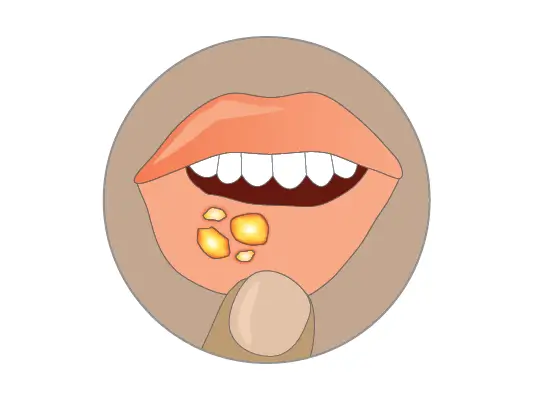
You might get sores in your mouth.
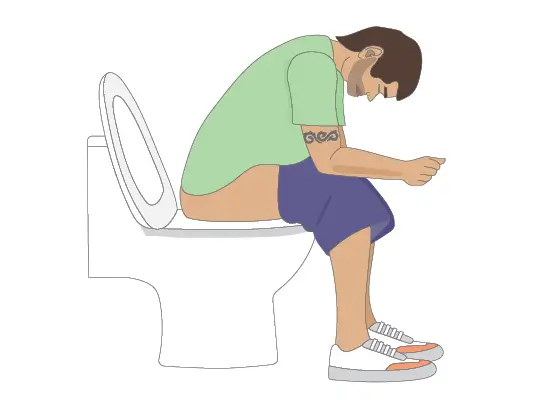
You may have runny poo. We call this diarrhoea.
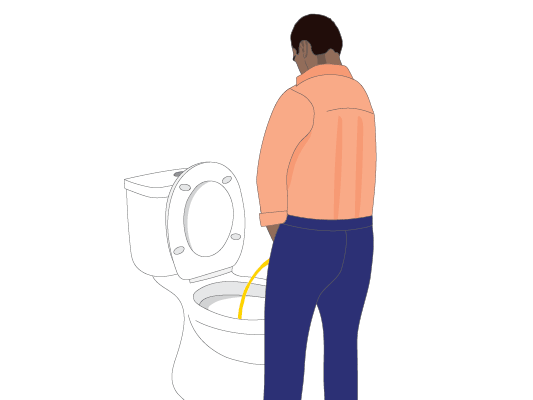
You may need to wee a lot.
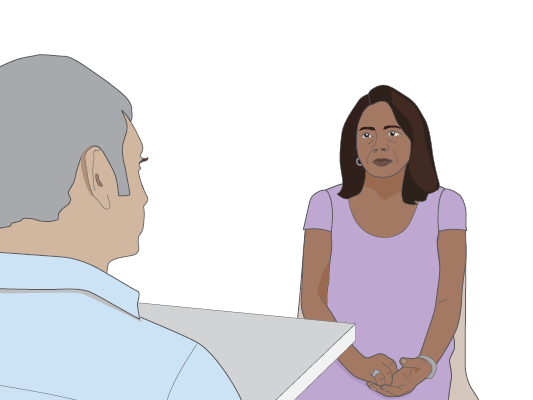
Some side effects can happen a long time after you finish treatment.
Ask your doctor if you notice anything unusual.
Coping with side effects
It might take a few weeks or months for side effects to stop.

Exercise and eating healthy food can help you feel better.
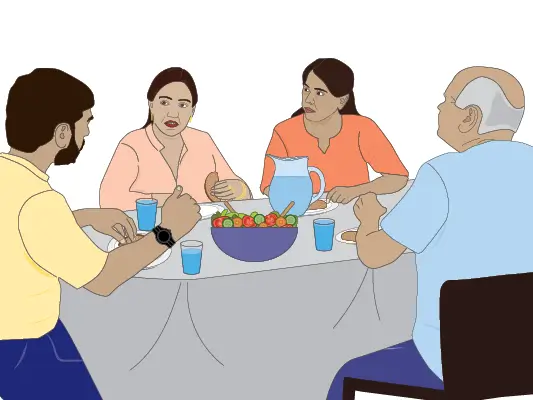
You might worry about cancer and side effects.
You can talk to:
- a doctor
- your family or friends
- a counsellor.
For family, friends and carers
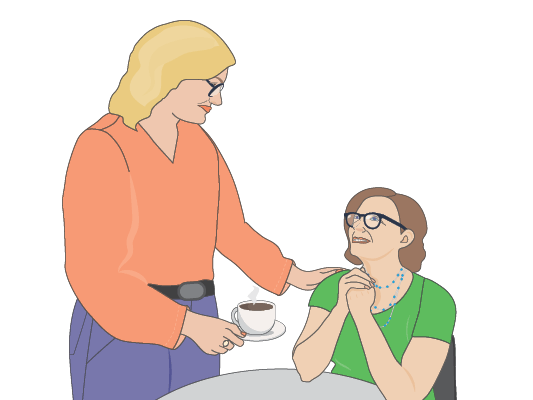
Family and friends can help people with cancer in different ways.
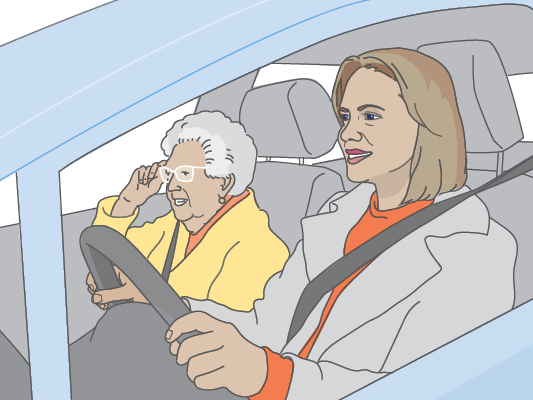
You can:
- help with daily tasks
- go to appointments
- listen and offer support.
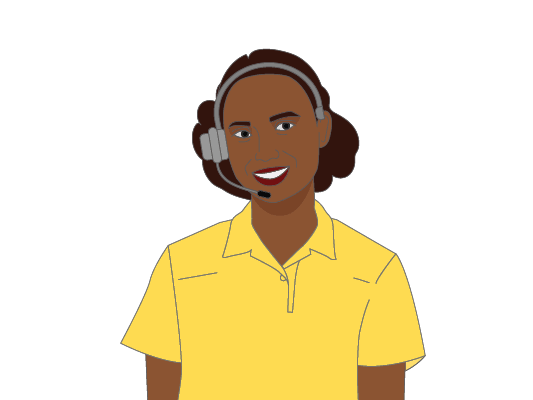
You can ask for help too. Call Cancer Connect on 13 11 20 to find out about help for carers.
Call Cancer Connect
You can speak to us on the phone. We can help you find free cancer information and support. Call 13 11 20 Monday to Friday.