
Easy Read
Life after cancer
Life after cancer can be different. This information will help you understand how you might feel after treatment, what check-ups you may need, and how to stay healthy.
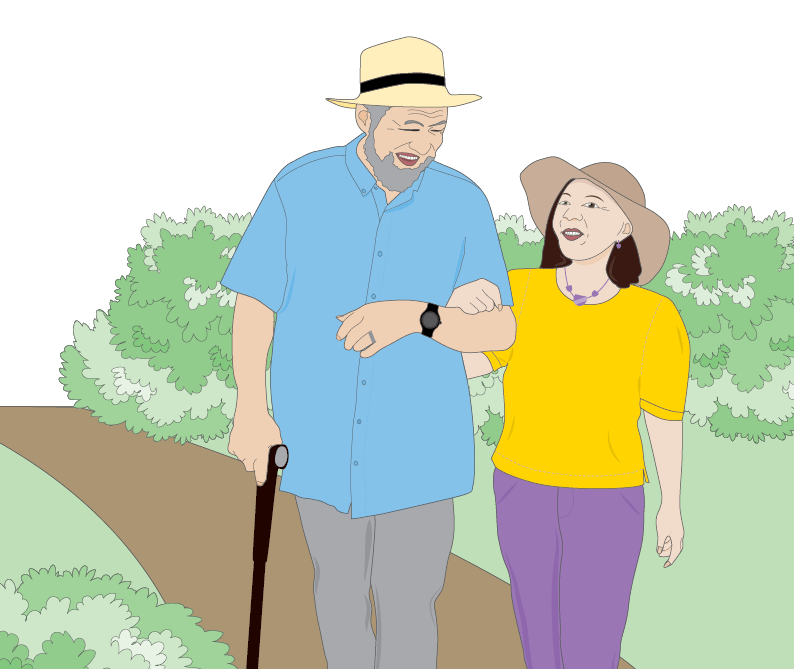
Introduction
This information is for people who have finished treatment for cancer.
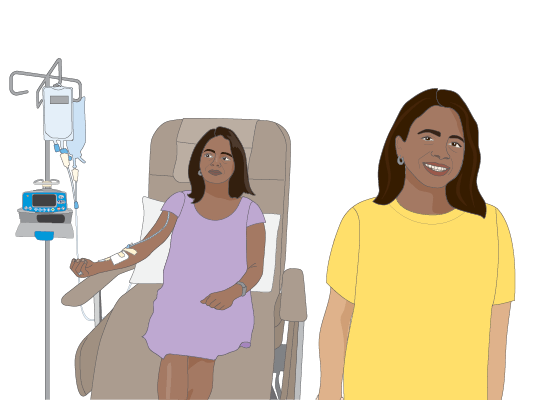
Life after cancer can be different.
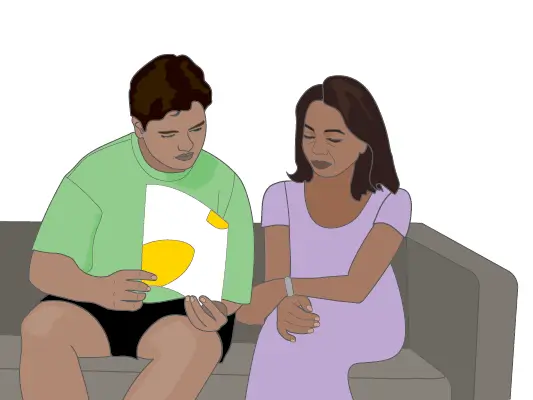
You can ask someone for help to read this information.
How you may feel
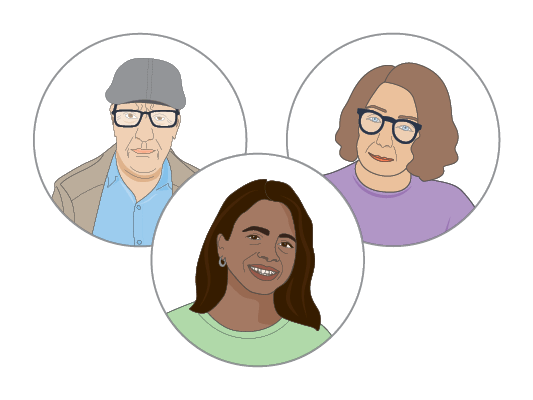
After treatment ends you may have lots of different feelings. This is normal.
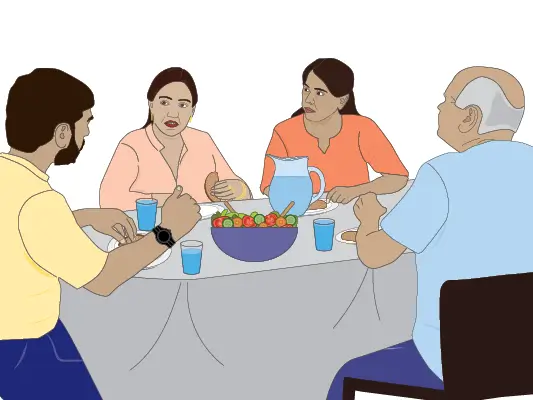
You can talk to someone about how you feel:
- family or friends
- a counsellor
- your doctor
- Cancer Connect on 13 11 20.
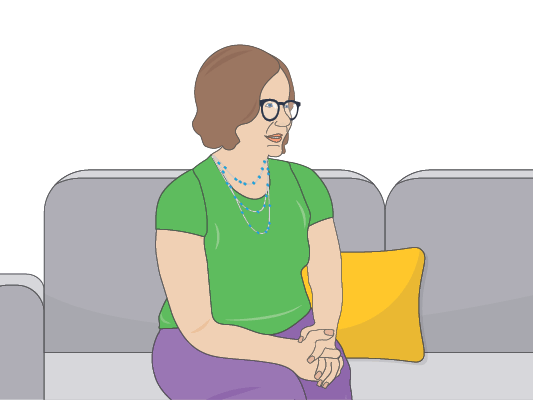
You will not see your cancer doctors as often. This might feel different at first.
Fear of cancer coming back
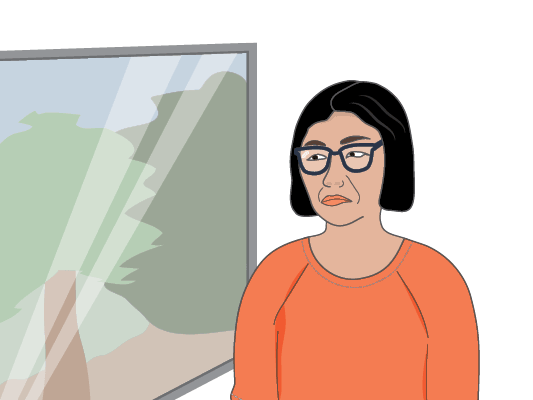
You may worry the cancer will come back.
This is normal.
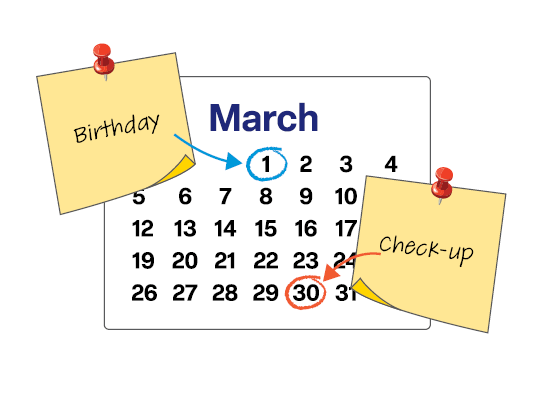
You may worry more:
- before a check-up
- when you feel sick
- on your birthday
- on the date you found out you had cancer.
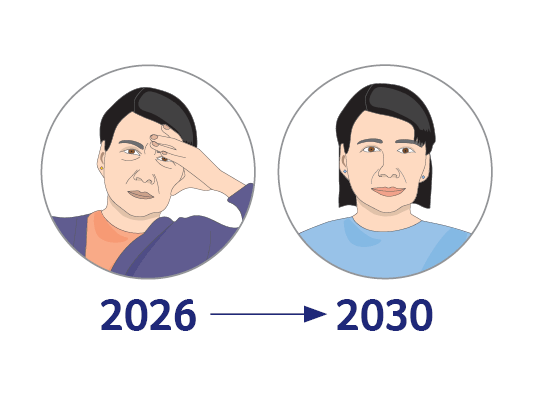
Some people worry less over time. For others, the worry never fully goes away. Talking about it can help.
Coping with side effects
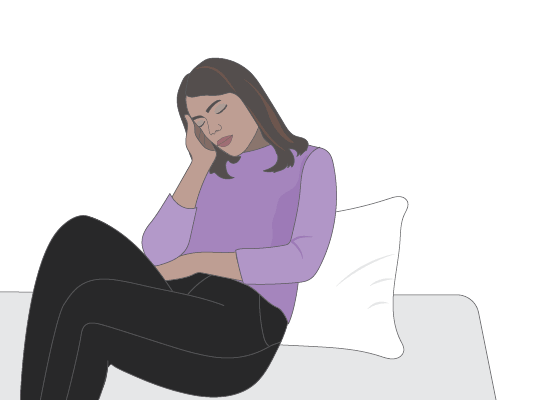
Some people feel sick when they have treatment for cancer. We call this a side effect.
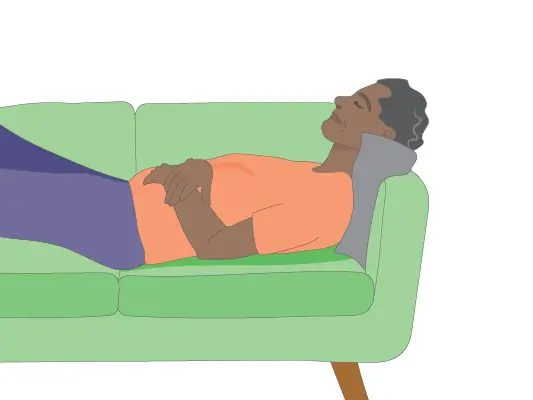
After cancer treatment has finished, you may still feel sick.
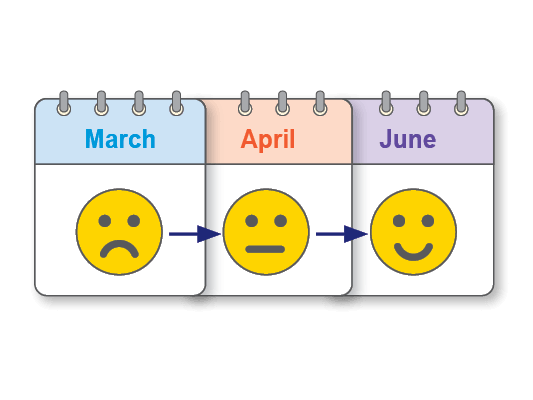
People usually start to feel better 2 to 3 months after treatment stops.
Late effects
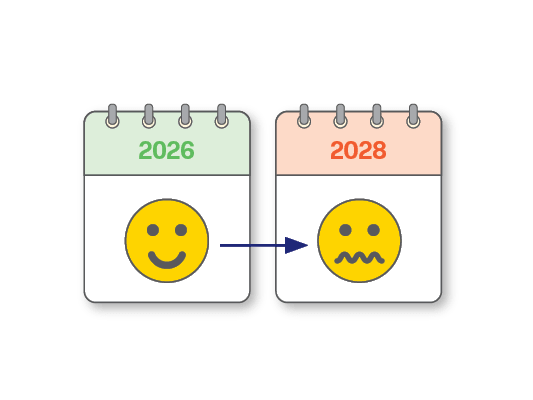
Some side effects start months or years after treatment ends. We call these late effects.
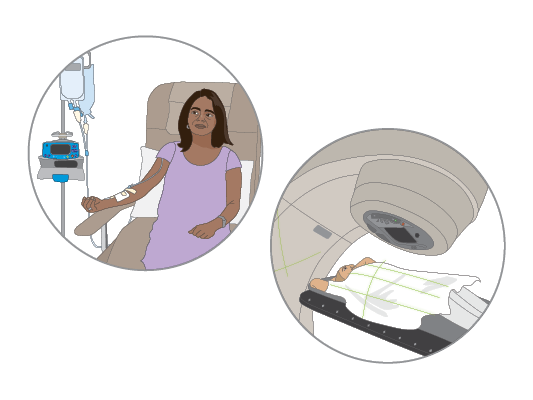
Late effects depend on the type of treatment and how strong it was.
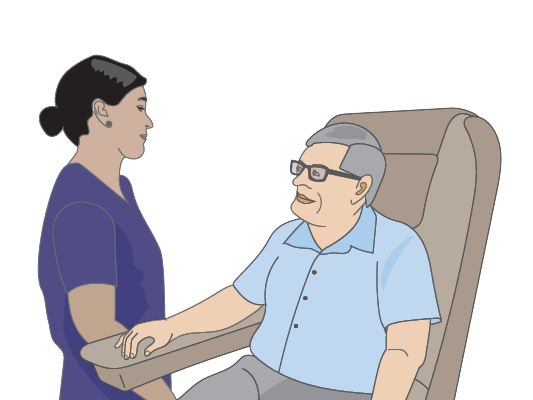
Your doctor or nurse will tell you if this might happen. They can suggest ways you can feel better.
Health checks after treatment
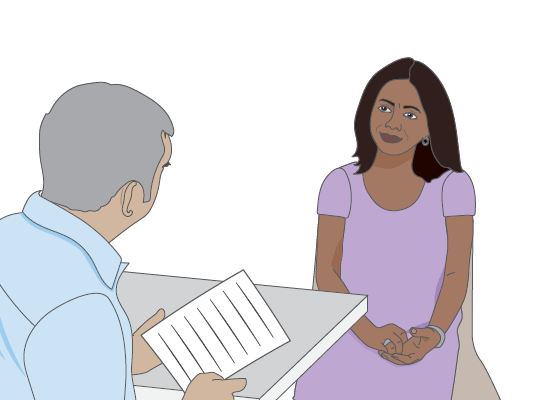
Your cancer doctor may give you a plan for what to do next.
We call this a survivorship care plan.
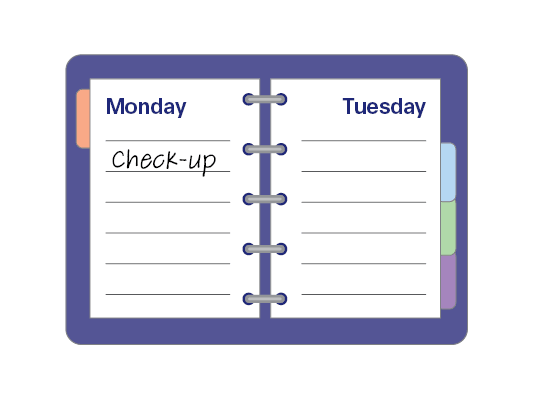
The plan will say how often you need to see your doctor. We call this a check-up.
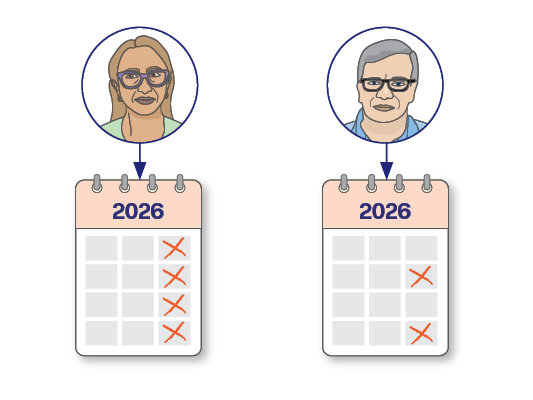
You may have a check-up every 3 to 6 months. It is different for each person.
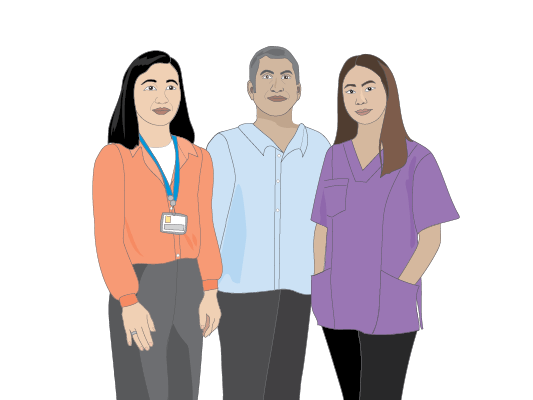
You may have check-ups with your cancer doctor, GP or cancer nurse.
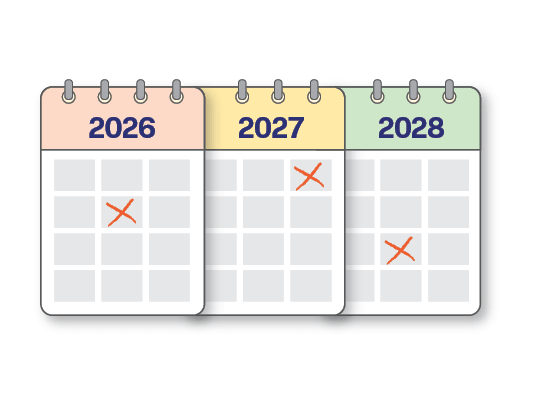
You may have check-ups for 2 to 3 years.
Then you will have check-ups less often.
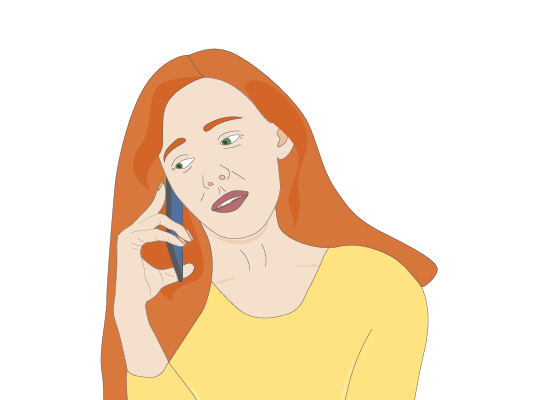
Call your doctor if you feel worried or notice something new.
You do not have to wait for your next check-up.
What happens at a check-up
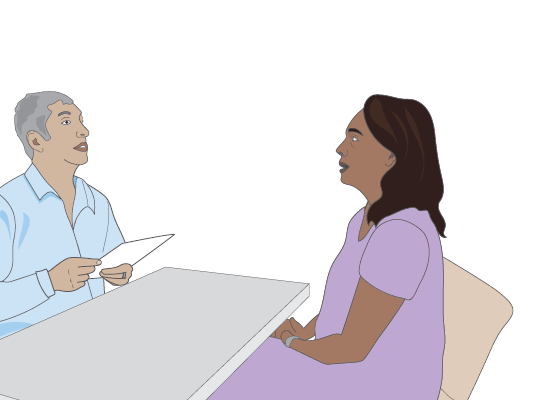
Your doctor will:
- ask how you feel
- ask if you are worried about anything
- check for any new problems.
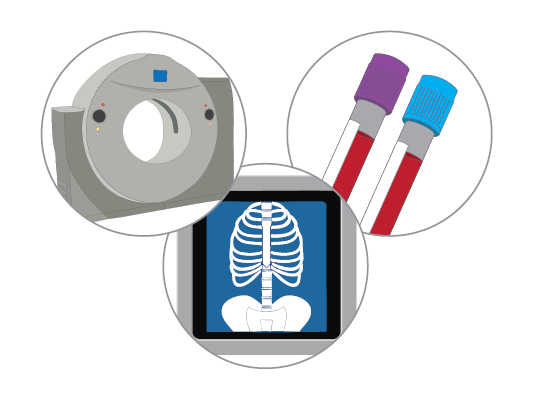
You might need to have other tests:
- scans
- x-rays
- blood tests.
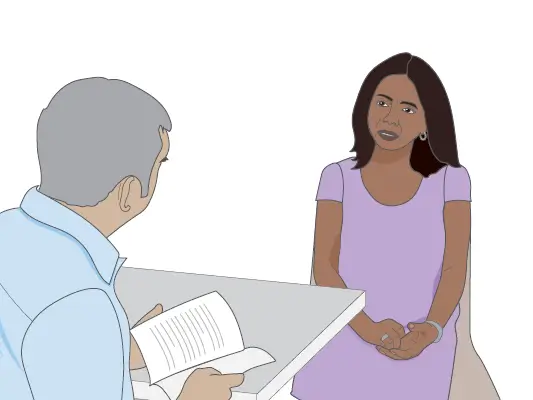
Many people worry about check-ups and tests. This is normal. Your doctor can explain why you need them.
What you can do to stay healthy
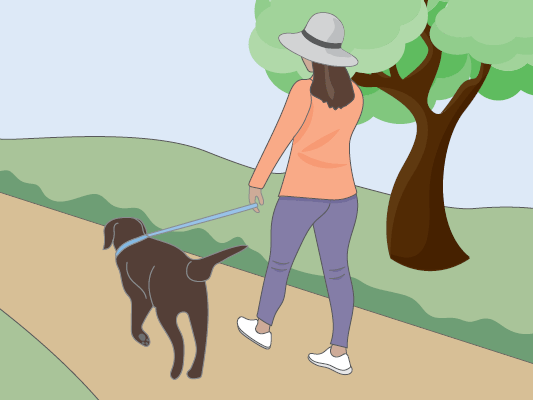
It is important to stay healthy after cancer.
This can help:
- stop the cancer from coming back
- not get a new cancer.
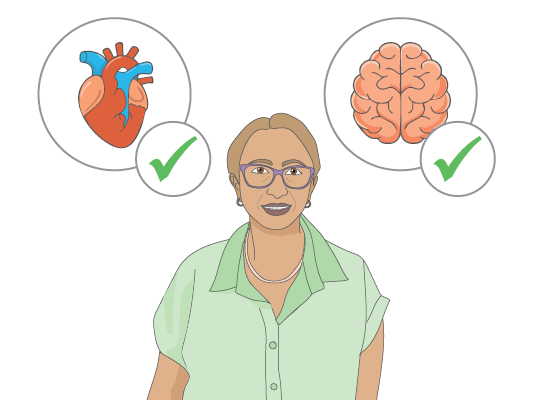
Staying healthy can help stop other problems:
- heart problems
- stroke.
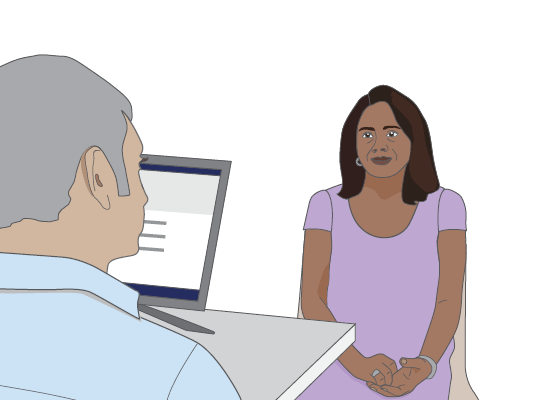
Talk to your doctor about how to stay healthy.
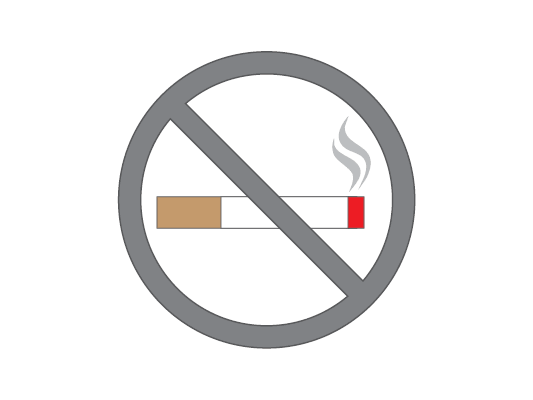
Not smoking helps your body feel better.
Call Quitline on 13 7848 for help to stop smoking.
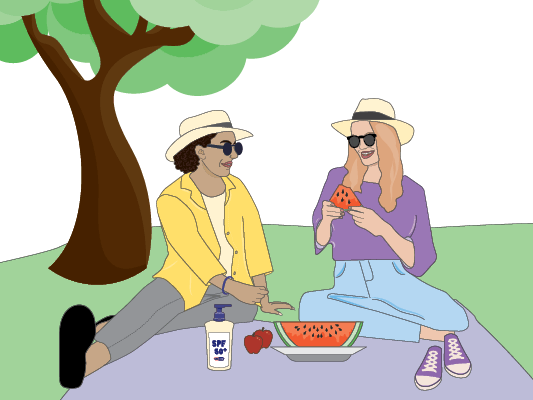
To keep your skin safe from the sun:
- wear a hat
- wear a long-sleeve top
- wear sunglasses
- use sunscreen
- sit under a tree or umbrella.
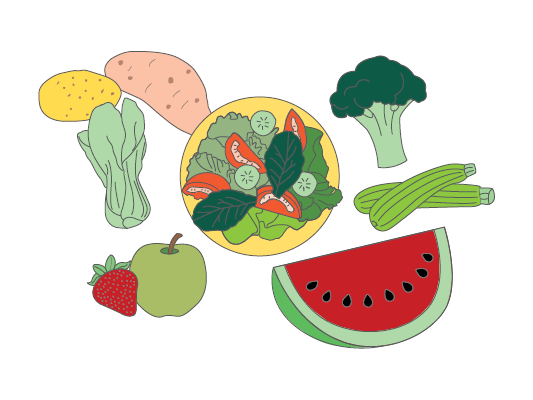
Eat 2 serves of fruit and 5 serves of vegetables or beans every day.
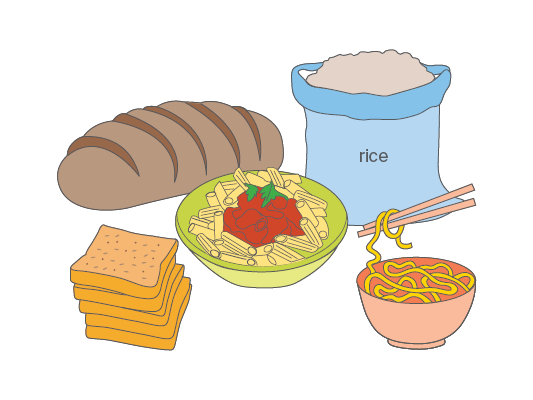
Eat food that helps you go to the toilet:
- brown bread
- brown rice
- wholemeal pasta.
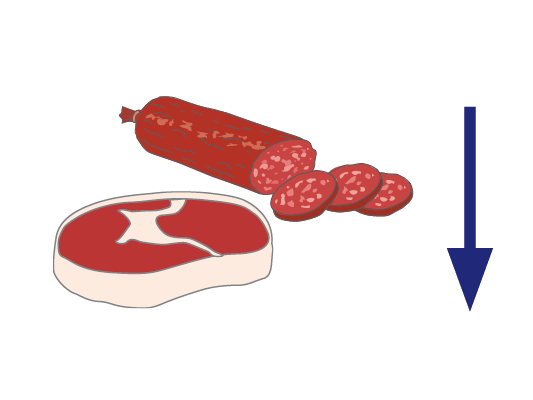
Eat less:
- red meat
- processed meat.
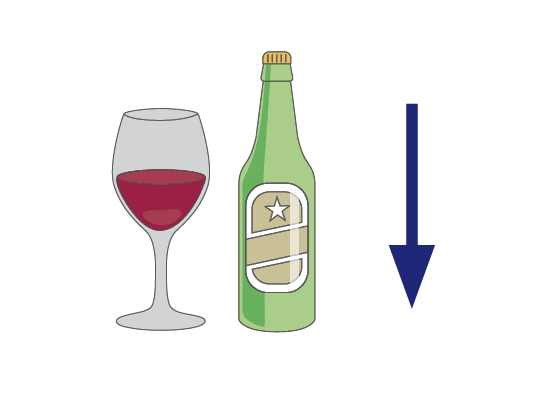
Drink little or no alcohol.
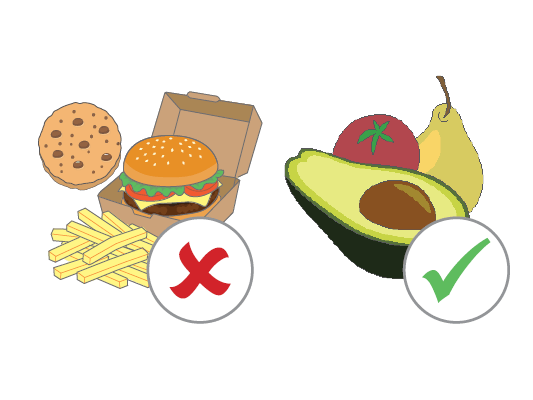
Choose healthy foods to stay a healthy weight.
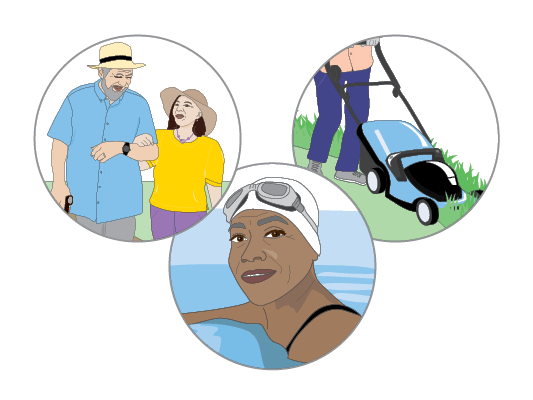
Move your body every day.
Examples include:
- walking
- swimming
- mowing the grass.
For family, friends and carers
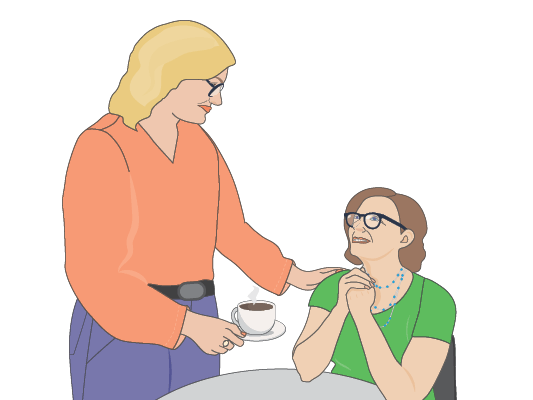
Life after cancer can be different for family, friends and carers.
It can take time to get used to these changes.
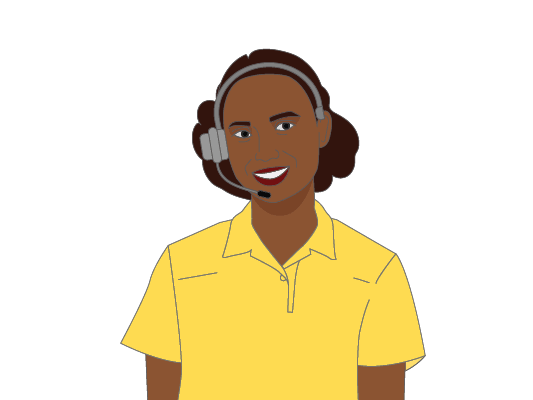
Call Cancer Connect on 13 11 20 to talk to a qualified professional.
Call Cancer Connect
You can speak to us on the phone. We can help you find free cancer information and support. Call 13 11 20 Monday to Friday.