
Easy Read
Help with money
This information can help you with money when you have cancer. You can find out how to get help paying for medicine, treatment and travel to the hospital. You can also find out how the government can help you.
Introduction
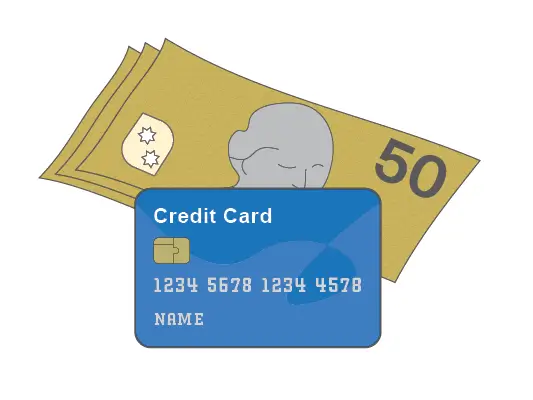
This information is about help with money when you have cancer.
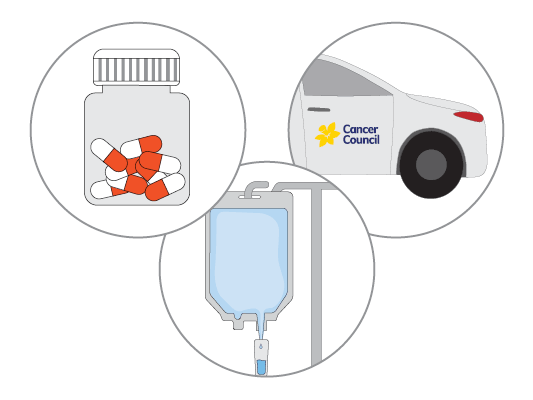
You can learn how to get help paying for:
- medicine
- treatment
- transport to the hospital.
You can ask someone for help to read this information.
The cost of cancer
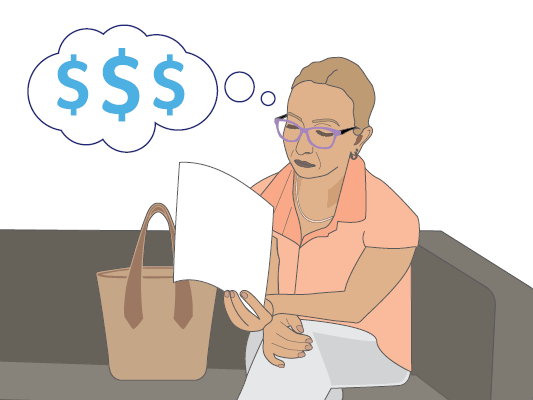
Having cancer can be expensive.
What you pay depends on what cancer you have and where you get treatment.
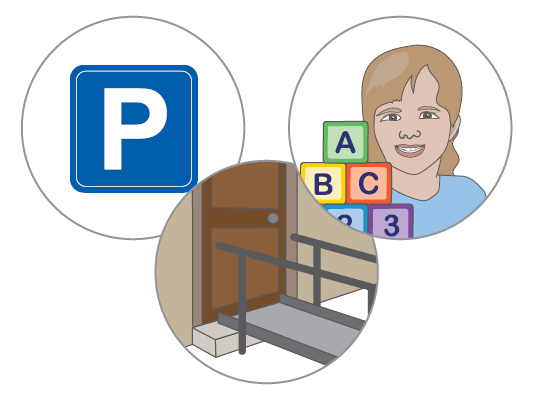
You may have to pay for:
- getting to the hospital
- parking
- childcare
- changes to your house.
Ask about the costs
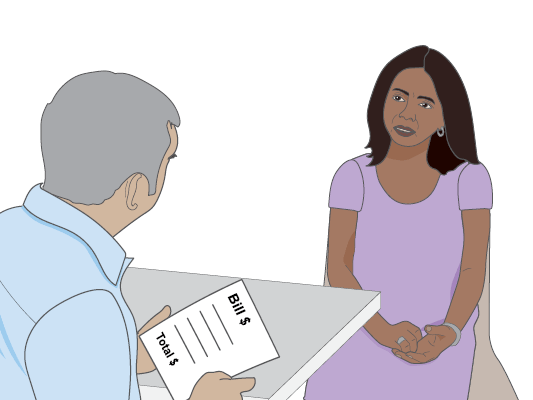
Ask your doctor and hospital what tests and treatment will cost.
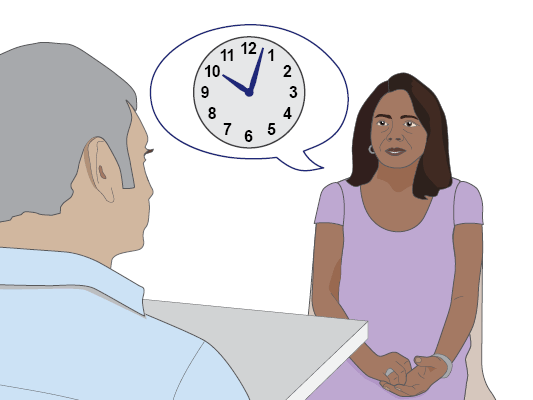
Ask if you can pay a little bit at a time or have more time to pay your bill.
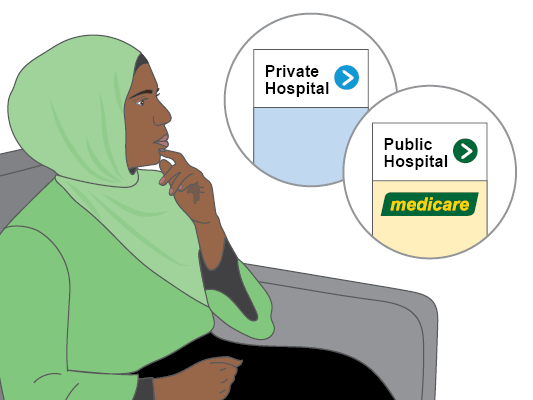
Knowing the costs can help you make decisions about treatment.
Making a budget

Cancer may mean you stop working for a while. This may mean you have less money.
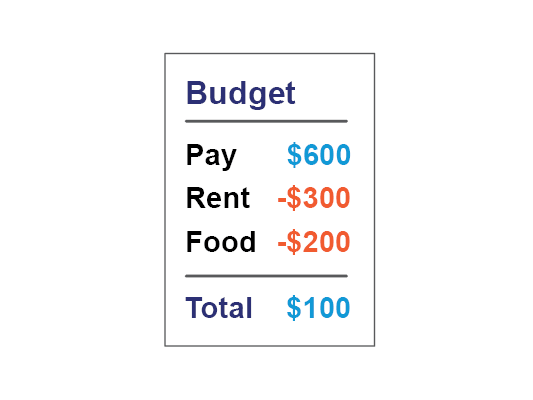
It is a good idea to write down how much money you have, what you spend and what you need for bills.
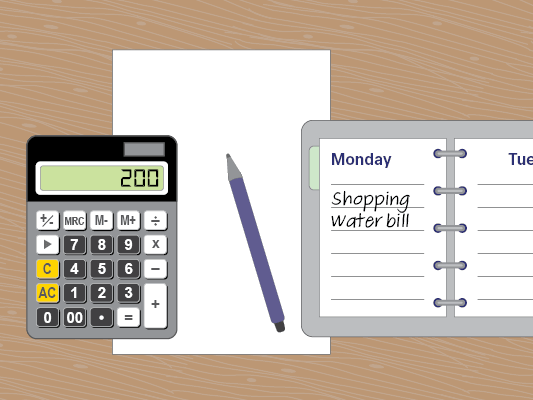
We call this a budget. A budget lets you work out what you can afford and when you need help.
Paying bills
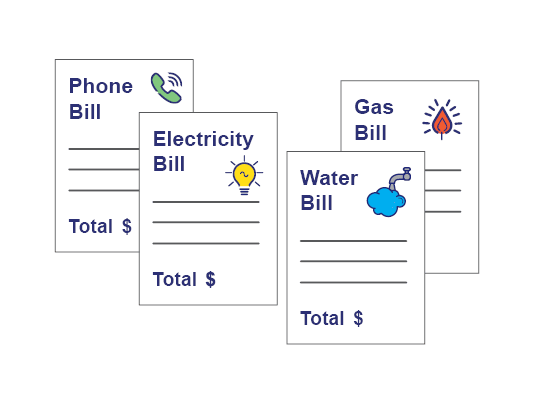
Some people have trouble paying bills for:
- phone
- electricity
- water
- gas.
Phone, electricity, water and gas companies must help you if you cannot pay your bills.
We call this a hardship policy or assistance program.
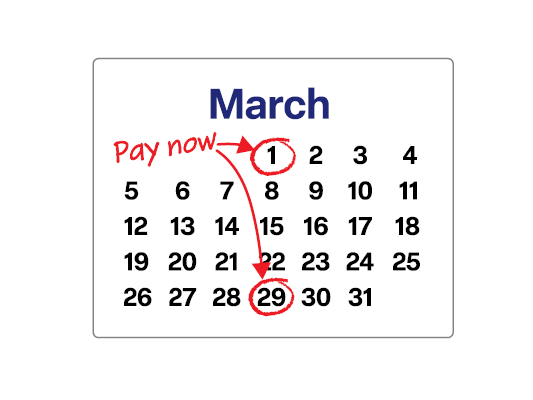
They might let you pay later or pay a little bit at a time.
Help from the government

The Australian Government can help pay for some cancer costs.
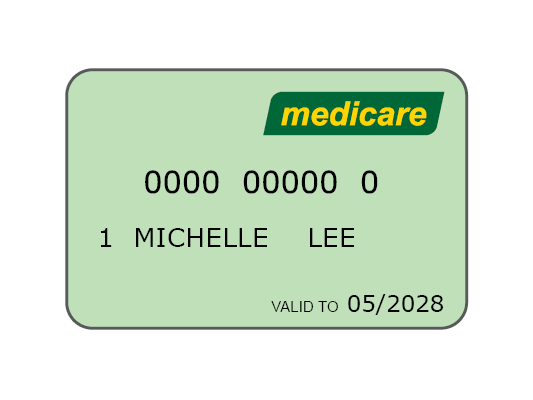
Medicare can make some health care free or cheaper.
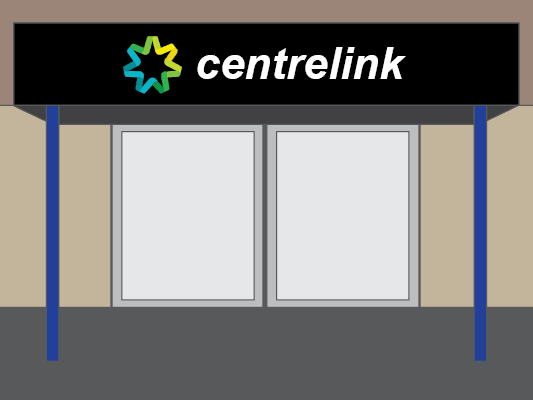
Centrelink has payments to help some people.
Going to hospital
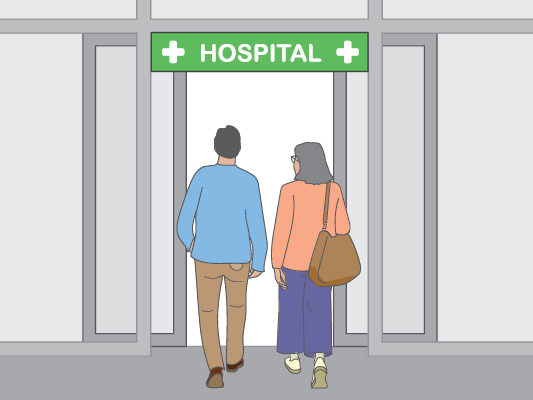
How much you pay depends on the type of hospital.
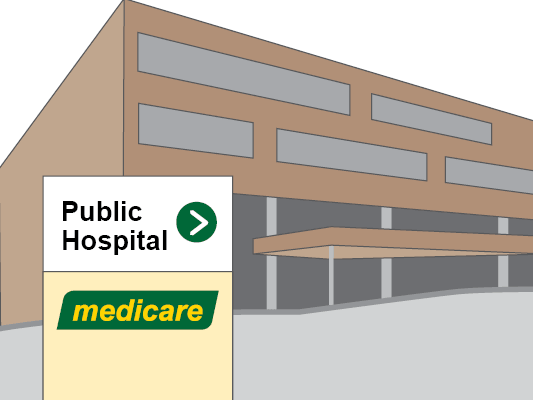
Going to a public hospital is free if you have a Medicare card.
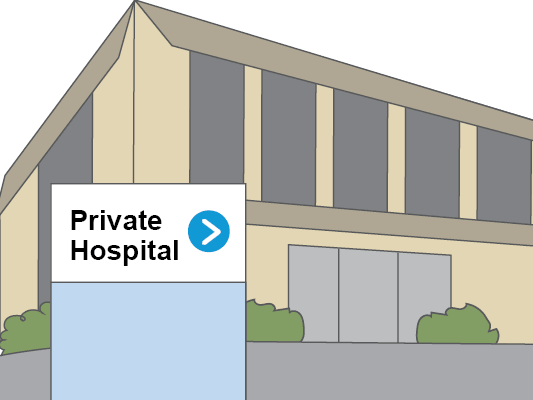
Going to a private hospital usually costs more.
Medicare
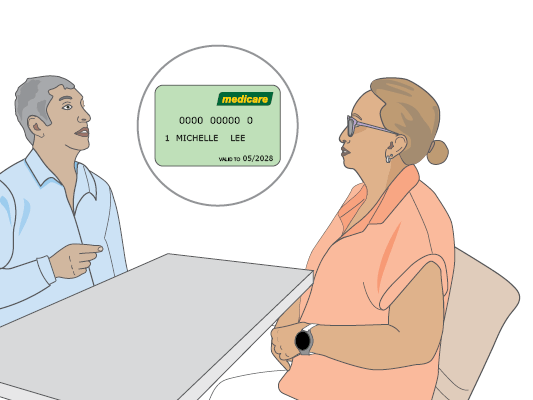
Medicare covers:
- seeing a doctor
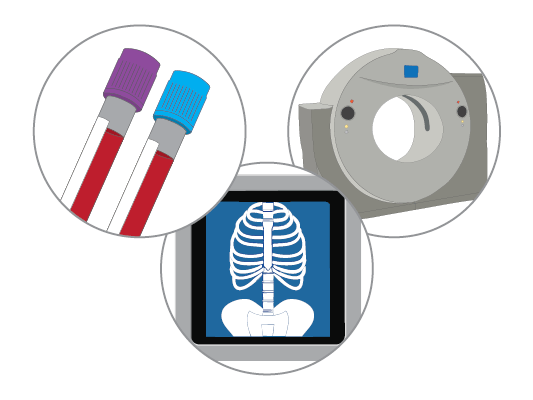
- having blood tests, x-rays and scans
- going to a public hospital.
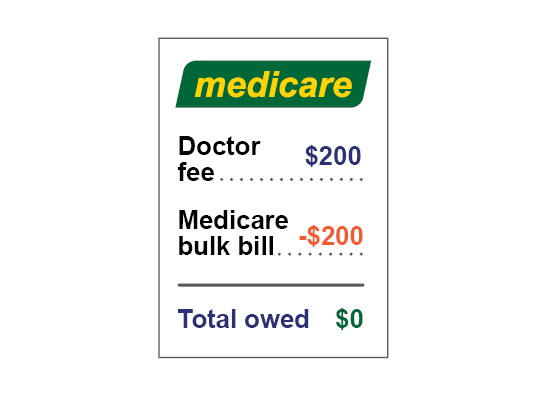
Sometimes the doctor sends the bill to Medicare and you do not have to pay anything. We call this bulk billing.
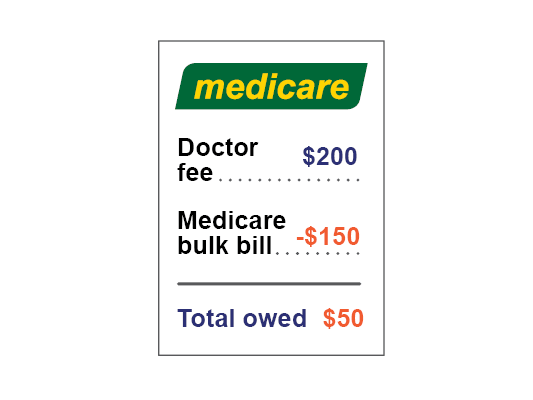
Sometimes Medicare does not pay the full cost.
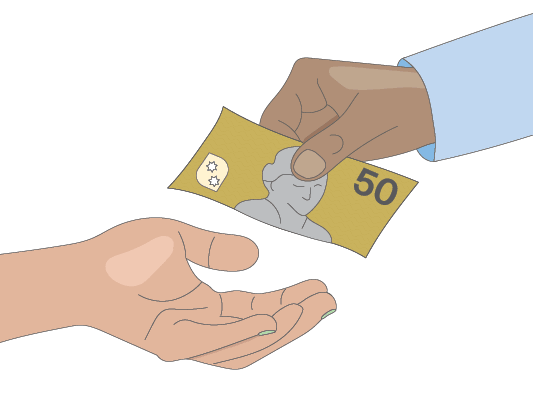
You need to pay the rest. We call this the gap.
Paying for medicines
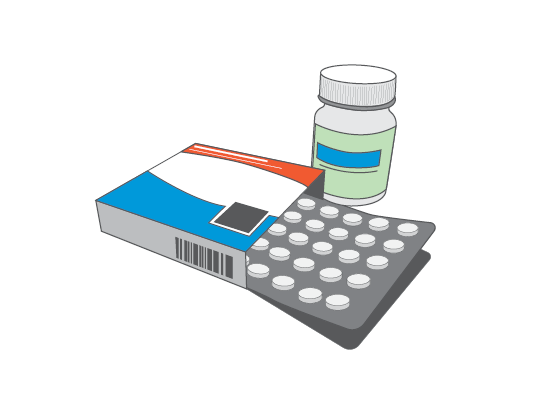
The Australian Government helps with the cost of many medicines.

This is through the Pharmaceutical Benefits Scheme or PBS.
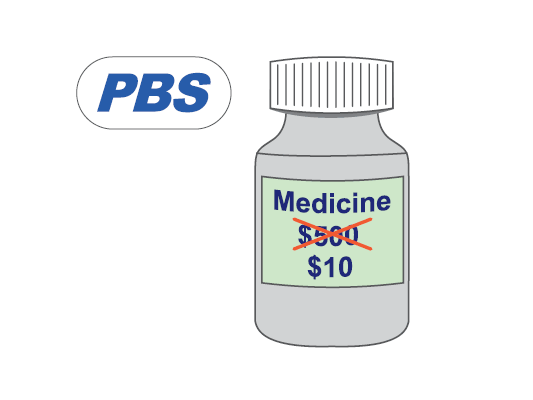
Medicines on the PBS are cheaper. You only pay part of the cost.
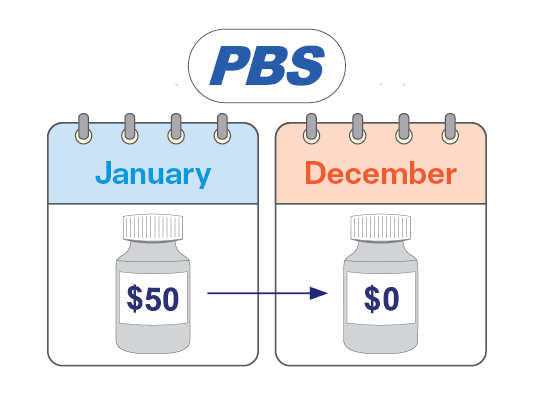
If you spend a lot of money on medicines, you can get a PBS Safety Net card.
This makes medicines cheaper or free for the rest of the year.
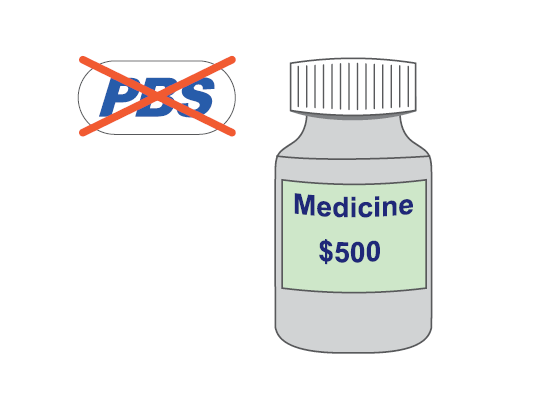
If your medicine is not on the PBS, you pay the full price.
Ask your pharmacist:
- how to save money on medicines
- how to get a PBS Safety Net card.
Concession cards
The Australian Government has special cards to help you pay less for doctors, medicine and transport. We call these concession cards.
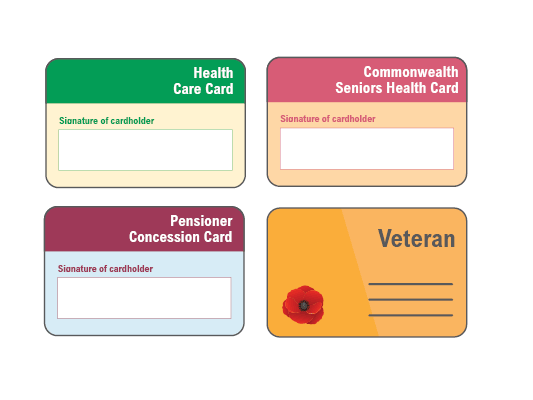
Some concession cards include:
- Health Care Card
- Pensioner Concession Card
- Commonwealth Seniors Health Card
- Veterans Card.
Centrelink
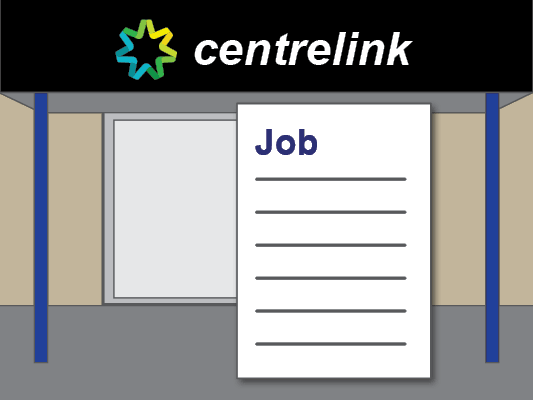
Centrelink might help with money if:
- you are looking for work
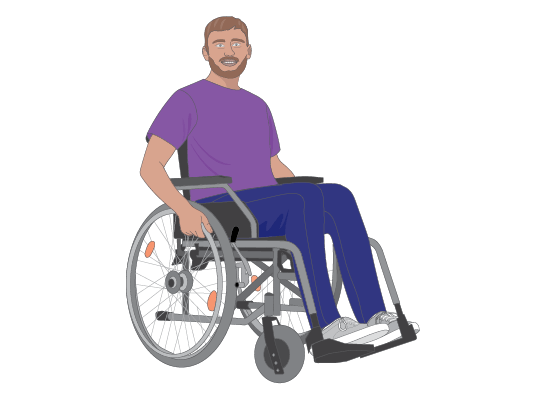
- have a disability
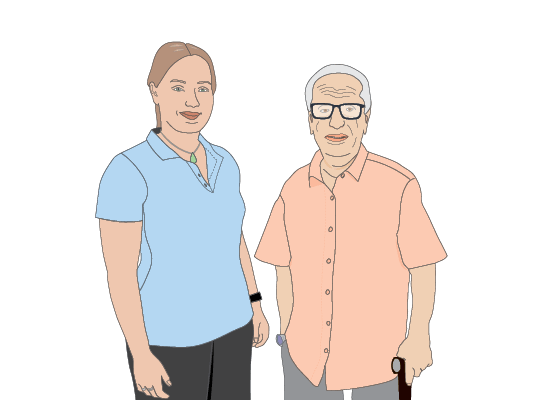
- are looking after someone.
Getting to treatment
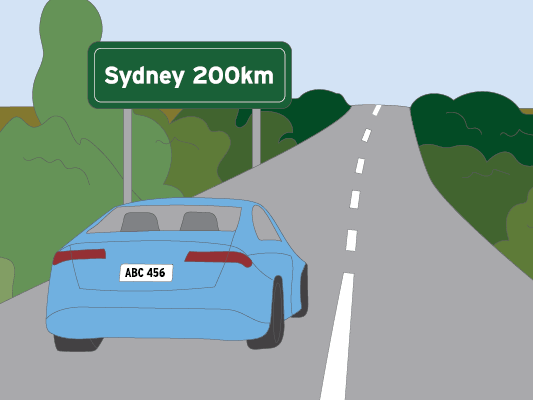
You may get help if you need to travel a long way for treatment. This is called a travel and accommodation scheme.
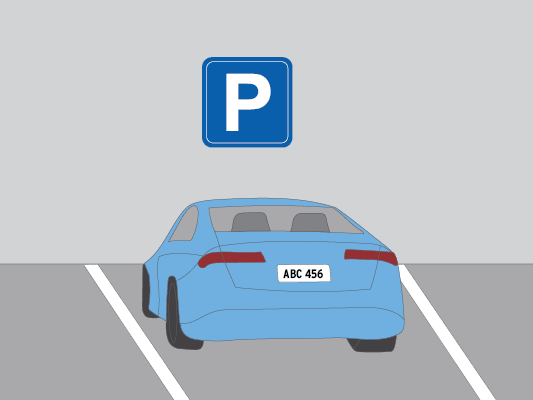
Sometimes you can get a discount to park at the hospital.
Ask the hospital social worker how to get free or cheaper transport to hospital.
Where to find help
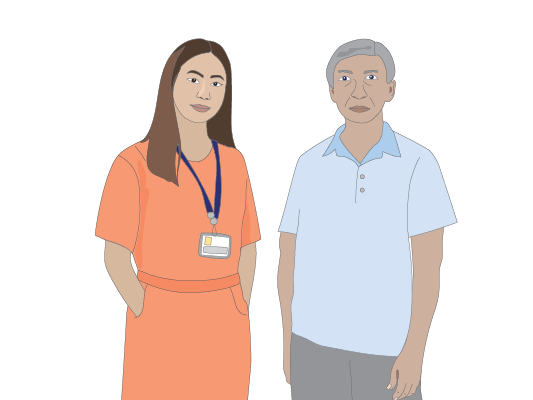
A social worker can help you find information about services that can help with money.
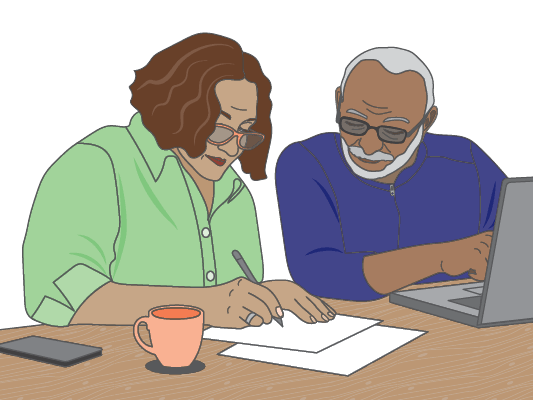
A financial counsellor can help you:
- make a budget
- give you tips for paying your bills and money you owe.
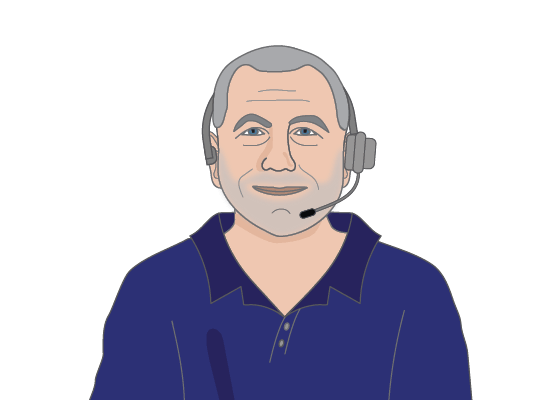
To find a financial counsellor, call:
- Cancer Connect on 13 11 20
- National Debt Helpline on 1800 007 007.
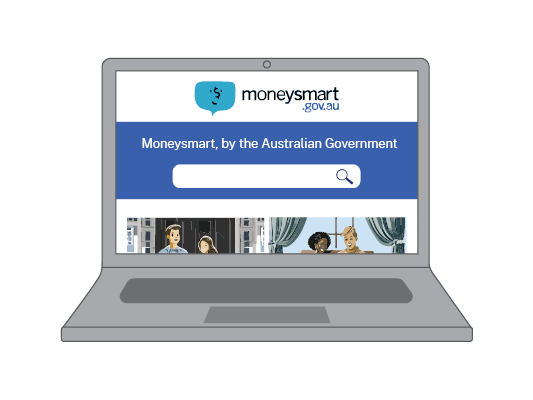
For tips on managing your money visit the website moneysmart.gov.au.
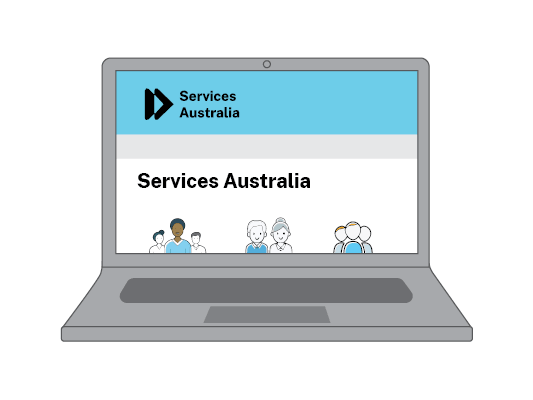
To learn more about Medicare and Centrelink visit the website servicesaustralia.gov.au.
For family, friends and carers
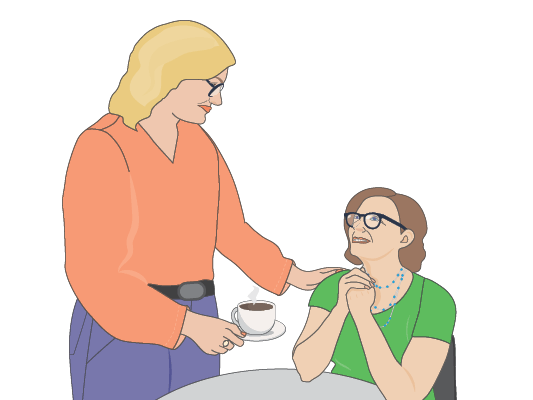
If you are supporting someone with cancer, you may need help too.
Call Cancer Connect on 13 11 20 to find out about help and support for carers.
Call Cancer Connect
You can speak to us on the phone. We can help you find free cancer information and support. Call 13 11 20 Monday to Friday.