
Breast Cancer Network Australia
Services offered
Cancer information
Physical symptoms and side effects
Emotional support
+1
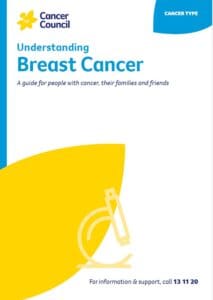
Breast cancer is one of the most common cancers in women, and it also affects some men.
It usually starts in the parts of the breast related to milk production (the lobules and ducts). It's most often found when it has spread to surrounding breast tissue. There are 2 main types of breast cancer: invasive ductal carcinoma (the most common) and invasive lobular carcinoma.
Breast cancer has one of the highest 5-year survival rates of all cancers if it's diagnosed early.
A breast cancer diagnosis can be a shock. Find helpful information in Just diagnosed, or call Cancer Connect on 13 11 20 to talk it through with our qualified professionals.
Read about the different types of breast cancer, who gets breast cancer, and which health professionals will look after your care.
Understand breast cancer risk factors, including age and family history, and symptoms such as a lump or a change in the breast or nipple.
A mammogram, biopsy and other tests help doctors diagnose breast cancer. You may also have tests and scans to show the stage of the cancer.
Surgery to remove part or all of the breast is a common treatment. Other treatment options include radiation therapy, chemotherapy, hormone therapy and targeted therapy.
You and your health care team can work together to help manage side effects such as hair loss, menopause and lymphoedema, and improve your wellbeing.
Learn about follow-up appointments, what happens if the cancer returns, and how to adjust to life after treatment.
It can be a good idea to prepare a list of questions before your appointments. See our list of questions about breast cancer care.
Breast Cancer Network Australia
Services offered
McGrath Foundation
Services offered
Find the right services for your needs, wherever you are in Australia
Trusted cancer information for all people affected by cancer
We're available 9am - 5pm, Monday to Friday (excluding public holidays)